John Halamka, MD, MS, is an interesting man. He is the second human to have his genome sequenced, courtesy of the Human Genome Project; he runs a 70-acre organic farm and animal sanctuary, home to “Dudley,” a huge Scottish Highland Bull; he served in the George W. Bush and Barack Obama administrations, guiding America’s healthcare IT strategy; he travels hundreds of thousands of miles each year to study and advise on trends in global digital health; and he is a practicing emergency medicine physician.
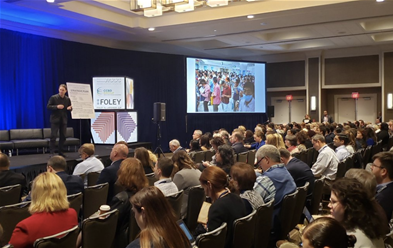
In his capacities as Chief Intelligence Officer (CIO) of the Beth Israel Deaconess System and Chairman of the New England Healthcare Exchange Network, Dr. Halamka is shaping the use of digitized information to improve healthcare delivery. In his March 22 address to the ACCC 45th Annual Meeting & Cancer Center Business Summit, Dr. Halamka shared stories of how both advanced and developing countries are using digital technologies—in ways that are both brilliant and uninformed—to improve the health of their citizens.
Dr. Halamka stressed the urgency of putting digital technology to work in healthcare. Countries across the world have aging populations, low birth rates, unsustainable healthcare costs, and clinician shortages. In this “perfect storm,” said Dr. Halamka, digital technologies can leverage scarce resources to provide more care to more people.
There are bright spots and stumbling blocks on this path. The good news, says Dr. Halamka, is that the consumer technology we need to enable appropriate, efficient access to healthcare information across platforms is already here. What’s missing is the integration that can make ease of use possible. For this to happen, a multitude of security and privacy concerns will need to be addressed, flawed data will need to be corrected, social biases will need to be recognized, and patients and caregivers will need to be comfortable with receiving care in different ways.
A subsequent session on the intersection of digital health, technology, and value featured speakers who explored the ramifications of new technologies on cancer care:



In recognition of Leukemia and Lymphoma Awareness Month, ACCC compiled a group of resources to help care teams navigate two of the most commonly diagnosed adult leukemias: acute myeloid leukemia and chronic lymphocytic leukemia.