ACCC association of cancer care centers
Join/Renew
Login
Join/Renew
Login
Education & Resources
ACCC eXchange LogInCorporate Member Sponsored ResourcesPresentations & AbstractsACCC Connect eLearning LogIn
Publications
Oncology IssuesPatient Assistance & Reimbursement GuideTrending Now in Cancer CareBusiness Case Studies for Hiring New Staff
Events
2026 ACCC Leadership SummitAnnual Meeting & Cancer Center Business SummitCapitol Hill DayNational Oncology ConferenceOncology Reimbursement MeetingsOncology State Society Meetings
Policy & Advocacy
ACCC 2026 Policy PrioritiesLetters & StatementsAccess, Payment & Reimbursement ReformWhite Bagging & Brown BaggingAdvocacy ResourcesCancer Moonshot
Membership
Join | RenewWho We AreMembership Types & BenefitsCorporate MembersACCC Member Portal FAQMember Directory
Partners
Oncology State SocietiesPartner OrganizationsCME
News
News ReleasesAdvocacy News ReleasesOncology News
About ACCC
Timeline / 50th Anniversary2025 Impact ReportPresident's ThemeACCC Innovator AwardsACCC FellowsBoard of TrusteesACCC Senior Staff
Breast CancerMetastatic Breast Cancer
Gastrointestinal CancerBiliary Tract CancerColorectal CancerGastric CancerLiver Cancer
Genitourinary CancerBladder CancerProstate CancerRenal Cell Carcinoma
Gynecologic CancerOvarian Cancer
Head & Neck Cancer
Hematologic MalignanciesAcute Lymphocytic Leukemia (ALL)Acute Myeloid Leukemia (AML)Chronic Lymphocytic Leukemia (CLL)Mantle Cell Lymphoma (MCL)Multiple Myeloma (MM)Myelodysplastic Syndromes (MDS)
Lung CancerNon-Small Cell Lung Cancer (NSCLC)Small Cell Lung Cancer (SCLC)
Sarcoma
Skin CancerMelanomaNon-Melanoma Skin Cancers (NMSC)
Clinical Practice & TreatmentCancer DiagnosticsCare CoordinationEHR Integration for Biomarker TestingQuality Improvement Collaboration: Integration of Precision Medicine in Community OncologyTreatment
Financial NavigationFAN Boot CampFinancial Advocacy Network (FAN) Resource LibraryPatient Assistance & Reimbursement GuidePrior Authorization
Health Equity & Access3, 2, 1, Go! Practical Solutions for Addressing Cancer Care DisparitiesAppalachian Community Cancer AllianceOncology Advanced PractitionersPersonalizing Care for Patients of All BackgroundsSocial Drivers of Health
Patient-Centered CareAddressing Care Disparities for VeteransAdolescent and Young Adult (AYA)Care Action Plans for People with CancerDermatologic ToxicitiesEmpowering CaregiversGeriatric OncologyHealth LiteracyNutritionOncology PharmacyPatient NavigationPsychosocial Care in OncologyShared Decision-MakingSupportive CareSurvivorship Care
Practice Management & OperationsCancer Program FundamentalsLeadership Sustainment and Engagement VideosOncology Practice Transformation and Integration CenterOncology Team Resiliency
ResearchACCC Community Oncology Research Institute (ACORI)
Technology & InnovationTelehealth & Digital Medicine
ACCCBuzz Blog
CANCER BUZZ Podcast
Oncology Issues
Join/Renew
Login
Breast CancerMetastatic Breast Cancer
Gastrointestinal CancerBiliary Tract CancerColorectal CancerGastric CancerLiver Cancer
Genitourinary CancerBladder CancerProstate CancerRenal Cell Carcinoma
Gynecologic CancerOvarian Cancer
Head & Neck Cancer
Hematologic MalignanciesAcute Lymphocytic Leukemia (ALL)Acute Myeloid Leukemia (AML)Chronic Lymphocytic Leukemia (CLL)Mantle Cell Lymphoma (MCL)Multiple Myeloma (MM)Myelodysplastic Syndromes (MDS)
Lung CancerNon-Small Cell Lung Cancer (NSCLC)Small Cell Lung Cancer (SCLC)
Sarcoma
Skin CancerMelanomaNon-Melanoma Skin Cancers (NMSC)
Clinical Practice & TreatmentCancer DiagnosticsCare CoordinationEHR Integration for Biomarker TestingQuality Improvement Collaboration: Integration of Precision Medicine in Community OncologyTreatment
Financial NavigationFAN Boot CampFinancial Advocacy Network (FAN) Resource LibraryPatient Assistance & Reimbursement GuidePrior Authorization
Health Equity & Access3, 2, 1, Go! Practical Solutions for Addressing Cancer Care DisparitiesAppalachian Community Cancer AllianceOncology Advanced PractitionersPersonalizing Care for Patients of All BackgroundsSocial Drivers of Health
Patient-Centered CareAddressing Care Disparities for VeteransAdolescent and Young Adult (AYA)Care Action Plans for People with CancerDermatologic ToxicitiesEmpowering CaregiversGeriatric OncologyHealth LiteracyNutritionOncology PharmacyPatient NavigationPsychosocial Care in OncologyShared Decision-MakingSupportive CareSurvivorship Care
Practice Management & OperationsCancer Program FundamentalsLeadership Sustainment and Engagement VideosOncology Practice Transformation and Integration CenterOncology Team Resiliency
ResearchACCC Community Oncology Research Institute (ACORI)
Technology & InnovationTelehealth & Digital Medicine
ACCCBuzz Blog
CANCER BUZZ Podcast
Oncology Issues
    • Education & Resources
    • Publications
    • Events
    • Policy & Advocacy
    • Membership
    • Partners
    • News
    • About ACCC
ACCC association of cancer care centers
1801 Research Boulevard, Suite 400, Rockville, MD 20850
Tel: 301.984.9496 Email Us
Contact UsVolunteers
Advertise
Career Center
Terms and Conditions
Privacy Policy
ACCC Rebranding
Copyright © 2026 Association of Cancer Care Centers. All Rights Reserved.
HomeACCCBuzz Blog

Providing Comprehensive Financial Advocacy Services in Rural America

November 15, 2022

Patients with cancer in rural areas have a substantial need for financial advocacy services, as they experience financial toxicity at a disproportionate rate.

Providing Comprehensive Financial Advocacy Services in Rural America

Montana has approximately 1.1 million people across 147,040 square miles—making it the fourth largest state in the United States. In comparison, Brooklyn—a borough of New York City—has more than twice the number of people, yet it is only 69.4 square miles. Montana’s peculiar population density makes it one of the most rural states in the U.S., a significant hurdle for patients with cancer.

Financial toxicity in recent years has had a disproportionate impact on survivors of cancer who live in rural America. One study found that 50.5 percent of rural survivors report financial difficulties due to their anti-cancer treatment, while survivors living in urban areas experience financial difficulties at a rate of 38.8 percent (that is a 11.7 percent difference). The cost of traveling to medical appointments coupled with higher rates of uninsured and underinsured patients in rural America are contributing factors, as financial advocates grapple with helping these patients manage the financial burden of their cancer care. Becky Franks, MA, is at the forefront of this mission.

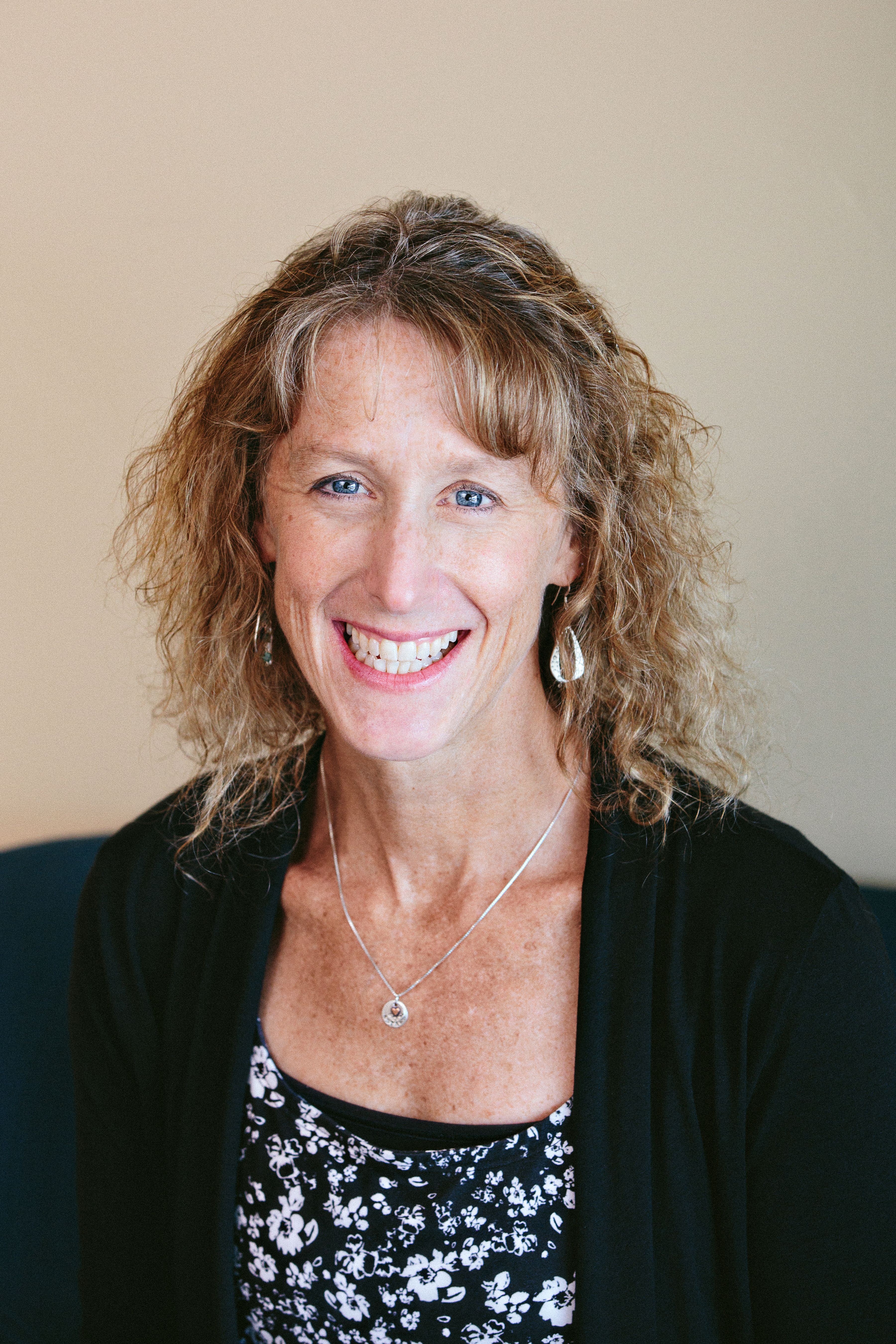
From Minnesota to Montana
Franks began her career in health education and primary prevention, working with children and families who were struggling with substance abuse in rural Minnesota. Franks moved to Montana to continue her work, where her mother’s breast cancer diagnosis prompted a pivot to oncology. “I started in an organization that was very small and run solely by volunteers,” Franks said. “They hired me as their executive director, and I was the only person there.” Her public health background influenced Franks to prioritize delivering evidenced-based cancer care to patients. In pursuit of this objective, her organization joined Cancer Support Community—a research-based and advocacy institution—in 2007.
Franks is now the chief executive officer at Cancer Support Community Montana, where she is working to support and empower patients with cancer. With in-person services available in Bozeman and Missoula, Mont., or virtually, the organization’s mission is centered around empowering patients to increase knowledge, find strength, and thrive in community as they move through treatment into survivorship. Through its patient active initiative, Cancer Support Community Montana educates and screens patients for anxiety and distress, while identifying the financial concerns and barriers to care they are facing. Using Open to Options—an interview technique that accounts for patients’ understanding of the cancer care continuum—the organization understands all the issues patients may have, while helping them develop individualized questions for their care team. “Most people call for very task-specific issues, but during an interview, we may find out that they need so much more,” Franks said. “That is why the interview process is so critical. So that we can help people figure out the best path forward for themselves.”
Studies suggest that the unmet psychosocial needs of patients with cancer are a source of severe distress. Research has also shown that addressing that distress has a positive effect for patients, their families, and the healthcare system. In recognition of this, Cancer Support Community Montana employs mental health providers, who have been trained in oncology navigation. They meet with new patients, providing the Cancer Support Source distress screening to identify and assist with patients’ needs.
Challenges Rural Patients Face
According to a report from the American Society of Clinical Oncology, only 7 percent of oncologists practice in rural areas. However, 20 percent of the oncology population resides in such communities. Approximately 1.6 million rural households do not own a vehicle; this, coupled with the lack of effective public transportation in rural communities, makes travel to medical appointments difficult for patients with cancer. “We are having a big conversation about travel in rural communities, and the financial impact when you have to travel 300 miles just to get care,” Franks explained. “That means you have to stay overnight, but you have nowhere to stay and no gas.” Franks and her team help patients by providing gas cards and hotel vouchers. Additionally, they are working with healthcare professionals to improve access to infusion centers and psychosocial care in critical access hospitals—thus reducing the distance patients must travel. “You can be near your home, heal better, get the care that you need, and not have to go broke,” Franks said.
In the past, patients in rural Montana with certain types of cancer would have to fly to Denver, Colo., or Seattle, Wash., for treatment. According to Franks, one mother and her son flew to Denver for his leukemia treatment. Before they returned home to Montana, there was a $100 thousand bill for the airflight in her mailbox—one that insurance would not cover. “I cannot help her feel better, until I make that bill go away,” Franks said. Fueled by the drive to advocate for the mother and patients like her, who are encumbered by suffocating costs as they embark on a battle for their lives or that of their loved ones—Franks and her team sought a legislative solution. “We helped implement a solution that placed that burden of cost on the airflight company and the insurance company, not the mother of a sick child,” Franks shared. “When a system of care is making it harder to receive medical and psychosocial care, then we have a problem. Many people with cancer do not know how to fix that, but I have the ability and energy to do so. And so do a lot of other people.”
Franks asserts that dealing with the financial aspect of cancer care may be too much for patients to handle, thus an avenue to help them address the burden of these costs should always be available. “Cancer is so complex, and people are not ready for it. All they are thinking about is surviving,” she said. “It really takes health advocates and the ability to push forward.”


Related Content

Extending Patient-Centered Cancer Care to Transgender and Nonbinary IndividualsACCCBuzz Blog

Extending Patient-Centered Cancer Care to Transgender and Nonbinary Individuals

Gabrielle Stearns

June 30, 2026

Transforming Oncology Authorization Through Clinical and Revenue Cycle CollaborationACCCBuzz Blog

Transforming Oncology Authorization Through Clinical and Revenue Cycle Collaboration

Rachel Radwan

June 29, 2026

Building a Blueprint for Precision Medicine: Lessons from TriHealthACCCBuzz Blog

Building a Blueprint for Precision Medicine: Lessons from TriHealth

June 25, 2026

Exploring a Bispecific Antibody for Relapsed or Refractory Multiple MyelomaACCCBuzz Blog

Exploring a Bispecific Antibody for Relapsed or Refractory Multiple Myeloma

June 22, 2026

15 Years Strong: The NCCN State Oncology Society Forum Annual MeetingACCCBuzz Blog

15 Years Strong: The NCCN State Oncology Society Forum Annual Meeting

Sean T. McCarson, MPA

June 16, 2026

Highlights from Volume 41, Number 3 Oncology IssuesACCCBuzz Blog

Highlights from Volume 41, Number 3 Oncology Issues

Gabrielle Stearns

June 15, 2026

ACCC Roundtable Series to Build a CAR T Multiple Myeloma Referral FrameworkACCCBuzz Blog

ACCC Roundtable Series to Build a CAR T Multiple Myeloma Referral Framework

Gabrielle Stearns

June 11, 2026

Precision Medicine Stewardship: Turning Complexity Into Coordinated Cancer CareACCCBuzz Blog

Precision Medicine Stewardship: Turning Complexity Into Coordinated Cancer Care

June 9, 2026

Upcoming Events

ACCC 43rd National Oncology Conference
Oncology

ACCC 43rd National Oncology Conference

In Person Conference & ConventionOctober 21, 2026 at 8:00 AM MDT450 Summer St, Boston, MA 02210Omni Boston Hotel at the Seaport, Boston
Register Now!
KaSCO 2026 Fellows Dinner
Oncology

KaSCO 2026 Fellows Dinner

In Person Conference & ConventionJuly 16, 2026 at 6:00 PM CDT101 West 22nd Street, Kansas City, MO, USALidia's Kansas City, Kansas City
Register Now!
MSCO 2026 Professional Development Workshop
Oncology

MSCO 2026 Professional Development Workshop

In Person Conference & ConventionJuly 18, 2026 at 3:30 PM CDT5005 Glumack Drive, Minneapolis, MN, USAInterContinental Hotel Minneapolis – St. Paul Airport, Minneapolis
Register Now!
NOS 2026 Dinner at the Las Vegas Best of ASCO
Oncology

NOS 2026 Dinner at the Las Vegas Best of ASCO

In Person Conference & ConventionJuly 24, 2026 at 5:30 PM PDT101 Montelago Blvd, Henderson, NV 89011, USAThe Westin Lake Las Vegas Resort & Spa , Henderson
Register Now!
WSMOS 2026 Dinner at the Seattle Best of ASCO
Oncology

WSMOS 2026 Dinner at the Seattle Best of ASCO

In Person Conference & ConventionJuly 24, 2026 at 5:30 PM PDT1415 5th Ave, Seattle, WA, USAHilton Motif Seattle, Seattle
Register Now!
KYSCO 2026 Tri-State Multi-Disciplinary Cancer Care Summit
Oncology

KYSCO 2026 Tri-State Multi-Disciplinary Cancer Care Summit

In Person Conference & ConventionJuly 25, 2026 at 7:30 AM EDT638 Madison Ave, Covington, Kentucky 41011, USAHotel Covington, Covington
Register Now!
HSCO 2026 August Dinner Symposium
Oncology

HSCO 2026 August Dinner Symposium

In Person Conference & ConventionAugust 12, 2026 at 5:30 PM HST6600 Kalanianaʻole Highway suite 110, Honolulu, HI 96825, USARoy's Restaurants – Hawaii Kai, Honolulu
Register Now!
LOS 2026 Cancer Congress - National Oncology Updates
Oncology

LOS 2026 Cancer Congress - National Oncology Updates

In Person Conference & ConventionAugust 14, 2026 at 11:00 AM CDT859 Convention Center Blvd, New Orleans, LA, USANew Orleans Marriott Warehouse Art District, New Orleans
Register Now!
Advertisement
Advertisement

Trending Now on
ACCCBuzz Blog

Extending Patient-Centered Cancer Care to Transgender and Nonbinary Individuals

Extending Patient-Centered Cancer Care to Transgender and Nonbinary Individuals

In a recent article from Oncology Issues, authors conducted a systematic literature review and found that two main drivers of care disparities exist for transgender and nonbinary individuals with cancer: rigid binary gender frameworks and gaps in mental health care.

Transforming Oncology Authorization Through Clinical and Revenue Cycle Collaboration

Transforming Oncology Authorization Through Clinical and Revenue Cycle Collaboration

2026 ACCC Innovator Award Winner St. Luke's Cancer Institute noticed a significant administrative burden being placed on providers to review medical necessity validation for complex oncology therapies. To address the resulting rise in peer-to-peer requirements, delays in care, and pre-service denials, the team designed and implemented a new Clinical Documentation Integrity Registered Nurse role.

Building a Blueprint for Precision Medicine: Lessons from TriHealth

Building a Blueprint for Precision Medicine: Lessons from TriHealth

ACCC launched its Precision Medicine Stewardship Program to highlight institutions that have successfully built the infrastructure, workflows, and leadership models needed to deliver precision medicine at scale. TriHealth Cancer and Blood Institute in Cincinnati, Ohio, offers a compelling example of what it takes to move from aspiration to execution.

Exploring a Bispecific Antibody for Relapsed or Refractory Multiple Myeloma

Exploring a Bispecific Antibody for Relapsed or Refractory Multiple Myeloma

Although patients with relapsed or refractory multiple myeloma now have more treatment options than ever, their journeys are often complex. As clinicians consider when to introduce newer therapies such as bispecific antibodies, they must account for prior treatments, treatment-related toxicities, and comorbidities that may impact treatment decisions.

View All ACCCBuzz Blogs

Recently Heard on
CANCER BUZZ Podcast

MDS: Low Risk Isn’t No Risk - [Podcast] Ep. 239

Beyond Body Art: Restoring Wholeness Through Paramedical Tattooing - [Podcast] Ep. 238

Bridging Radiation and Oncology in SCLC Care - [Podcast] Ep. 237

Championing Bispecific Antibodies in the VA - [Podcast] Ep. 236

View All Podcasts

Latest from Oncology Issues

June 2026
June 2026
April 2026
February 2026
December 2025
October 2025
View All Oncology Issues

Join the Conversation

ACCC eXchange Digital Banner
Login