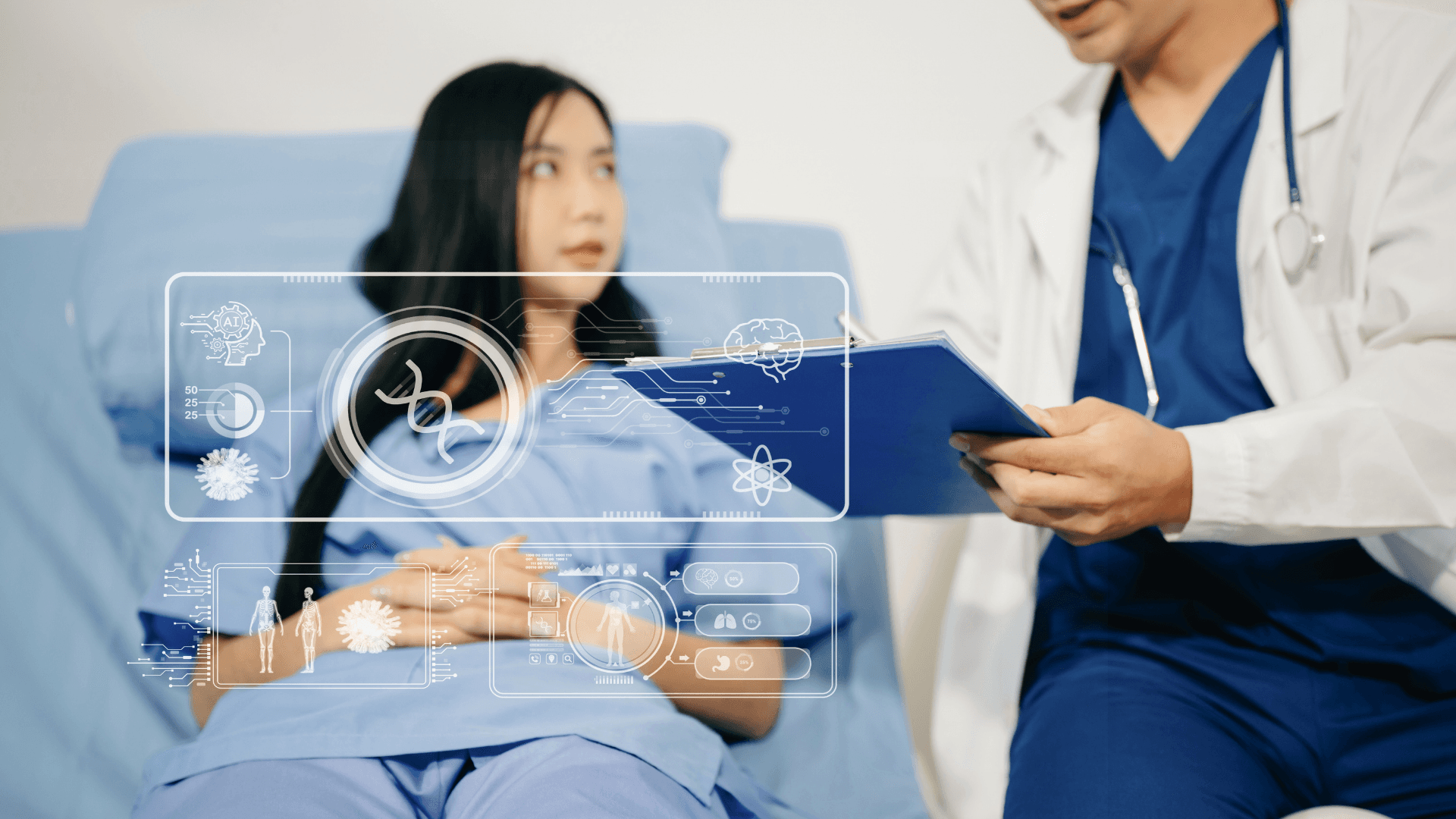
Remote patient monitoring transmits health data from the patient’s home to healthcare providers. This quality improvement project evaluated a platform to remotely monitor Black and Latinx patients.
Find the CANCER BUZZ podcast on Apple Podcasts, Spotify, or wherever you get your podcasts!
Remote patient monitoring involves transmission of health data, such as vital signs, from the patient’s home to healthcare providers via a wearable device, mobile app, and/or home hub. Studies have shown promising results for this technology, including improvements in health equity and reductions in hospitalizations. This quality improvement project evaluated the Current Health platform to remotely monitor Black and Latinx patients with cancer.
Read more in "Remote Patient Monitoring: The New Frontier in Telemedicine Opportunities," in the Volume 38, Number 6 Oncology Issues.

Guest:
Ksenia Gorbenko, PhD
Assistant Professor
Icahn School of Medicine at Mount Sinai
New York, N.Y.
“…The best time to address these [patient monitoring] devices is after a discharge from the hospital, which is a time when patients might feel especially vulnerable, and they want to be looked over by their clinical team. It helps them [patients] to know that in case something changes…their care team will be alerted.”
Resources:
CANCER BUZZ: Today on CANCER BUZZ...overcoming health disparities through remote patient monitoring. Welcome back to CANCER BUZZ; I'm your host, Summer Johnson. New remote patient monitoring technology allows care teams to reach historically underserved patients. Our guest today is here to tell us about a quality improvement initiative designed to improve access to care for Black and Latinx patients with cancer. Dr. Ksenia Gorbenko is an assistant professor at the Icahn School of Medicine at Mount Sinai.
What challenge did you identify that led you to this quality improvement project?
Ksenia Gorbenko, PhD: That's a great question. So basically we knew that during the COVID-19 pandemic there was this huge expansion of telemedicine because understandably, people were trying not to go to the hospital and get COVID. And we also knew that there were fewer Black and Hispanic patients benefiting from these new interventions. So we also realized that there's this new kind of frontier for telemedicine in remote patient monitoring.
So that's basically devices that patients can wear, kind of like glorified Fitbit, and the patient data is being transferred to their provider, to their clinical teams, and their doctors. Nurses can know if there are any changes in their vitals and intervene early. So we wanted to make sure that these new technologies are being implemented equitably so all patients can benefit, not only patients with more privilege.
CANCER BUZZ: Can you explain how the remote monitoring device makes care more accessible to underserved patients?
Ksenia Gorbenko, PhD: Yeah, so basically we selected Current Health – it's a healthcare technology company, which has an FDA approved device. And we selected them because they had an internet hub because we knew that some patients, for example, those who are socioeconomically vulnerable might not have reliable internet in their home. And so having this hub that provides the internet connection to allow the data transfer to their doctor was basically a very important part for us. And then it also includes a device to measure their blood pressure and temperature.
CANCER BUZZ: What have you learned from patients participating in remote monitoring?
Ksenia Gorbenko, PhD: Yeah, so if you interesting things. So first of all, we were able to see that recruiting patients from all kinds of background is feasible. We were able to recruit a good number of black and Hispanic patients and also patients on Medicaid. So it's important to continue to try to focus on these patients. And then we also learned quite a bit in terms of what works and what doesn't for patients. We noticed that the best time to introduce the devices after a discharge from the hospital, which is the time when patients might be especially vulnerable and they want to be sort of looked over by their clinical team.
And it helps them to know that in case something changes in their status and they might not notice it on their own, their team will know, they will be alerted and they'll be able to give them a call and check in on them.
CANCER BUZZ: Dr. Gorbenko, talk to your colleagues across the country about caring for underserved populations.
Ksenia Gorbenko, PhD: I think the biggest point that we were trying to make with this commentary is basically that the pandemic has brought a lot of bad, obviously and a lot of good. And I think as we are taking stock and kind of collecting our lessons, we need to make sure that whatever great innovations we are proposing and moving forward, that they're being applied equitably and that all people can benefit from them. That we give a little bit more support to people who are traditionally disadvantaged, such as ethnic and racial minorities and people who are vulnerable socioeconomically.
CANCER BUZZ: If you'd like to learn more about this project, you can find Dr. Gorbenko’s article in the next Oncology Issues journal that's online and in your mailbox mid-November. Until next time, this is Summer Johnson.
CANCER BUZZ is a resource of the Association of Cancer Care Centers (ACCC).
The views and opinions expressed herein are those of the author(s)/faculty member(s) and do not reflect the official policy or position of their employer(s) or the Association of Cancer Care Centers.
September 10, 2026



In recognition of Leukemia and Lymphoma Awareness Month, ACCC compiled a group of resources to help care teams navigate two of the most commonly diagnosed adult leukemias: acute myeloid leukemia and chronic lymphocytic leukemia.