Hear how this cancer center created a model for integrating advanced practitioners into a radiation oncology satellite clinic to provide long-term follow-up care and survivorship services.
Find the CANCER BUZZ podcast on Apple Podcasts, Spotify, Amazon Music, Google Podcasts, or wherever you get your podcasts!
Hear how Vanderbilt University Medical Center created a model for integrating advanced practitioners into a radiation oncology satellite clinic to provide long-term follow-up care and survivorship services.
This pilot program exceeded expectations—not only in patient satisfaction and quality of care—but generated revenue for their institution by allowing physicians more time for patient consults and treatment planning.
Guests:
Ellen R. Miller, MSN, FNP-BC
Radiation Oncology Nurse Practitioner, Vanderbilt University Medical Center
Nashville, TN


“We are looking at "cost effectiveness" as another study in this model to put a quantitative number on this could help clinics financially.”
Related Resources:
CANCER BUZZ: Welcome back to CANCER BUZZ. I'm your host Summer Johnson. Today, the use of Advanced Practitioners to strengthen the oncology bottom line. The Vanderbilt Ingram Cancer Center in the sprawling city of Nashville needed a way to better reach radiation oncology patients who may live in rural areas or need access from other parts of the state. They deployed satellite clinics and discovered that utilizing oncology Advanced Practitioners to man, one of the satellite clinics and provide long-term follow-up, positively impacted the quality of care and patient satisfaction.
Ellen Miller is a nurse practitioner in radiation oncology who was deployed to the satellite clinic.
Ellen R. Miller, MSN, FNP-BC: It started as we looked at all of the patients who finished treatment within the past six months of the nurse practitioners starting the clinic out there and were able to call the patients. We ask the patients if they'd be willing to come back for follow-up. But then we also were screening patients as they completed treatment for the appropriate follow-up that they would come back for routine follow-up three months after completing treatment three-ish months after completing treatment.
And we started to build the clinic that way. We had great support from the physician colleagues there. They wanted their patients to be seen in long-term follow-up in radiation oncology. There was a sense that there's a unique need for radiation oncology specific follow-up. So again, you know, 70% of the patients seen in this nurse practitioner’s clinic were seen by other oncology providers, but there was a real sense that the partnership with physician colleagues and the nurse practitioner to provide long-term follow-up, as well as survivorship was a unique need to radiation oncology, there are specific symptom management, and that's why we identified there was unmet care needs.
That was one of the questions that we asked and looked at was to evaluate whether the nurse practitioner driven follow-up would add quality care rather than just adding unnecessary follow up burden for patients. And we found that over 2.6 unmet care needs per patient on average that the nurse practitioner identified. And that was really important to validate that that radiation oncology specific follow-up was necessary.
CANCER BUZZ: I can imagine that an APP can specifically free up time for those new consult visits. Can you talk about how that worked at this specific satellite clinic?
Ellen R. Miller, MSN, FNP-BC: The physicians are involved if need be. And I work very closely with the attendings and physician, my physician colleagues that have treated these patients, but it does allow for patients to have wonderful and good and thorough follow-up, but also allow the attendings to focus on new patient visits and getting consults seen quicker and maybe in a more timely manner, as well as some of the more complex patient visits for follow-up that they may still that part of that 22% that they see during that past year, as well as some of the more complicated and complex things like treatment planning, that's a very time consuming for our physicians to treatment plan, and it allows them to focus more time on that.
CANCER BUZZ: I know you have a very specific story of care improvement with patients. Can you share one of those with us?
Ellen R. Miller, MSN, FNP-BC: Absolutely. And this is one of my favorite stories to tell, because I think it really just emphasizes why not only long-term follow up is necessary, but also survivorship. When I sat down with one of my prostate cancer patients in a survivorship follow-up appointment, he had been a long-term smoker and saw primary care. He had multiple providers on his team, cardiology urology, and to the best of my knowledge, when I asked him about smoking and smoking cessation, as well as lung cancer screening, he had not been to have the low dose CT scans for the annual screening for cancer, for lung cancer.
And when I referred him to our lung cancer screening clinic, it was identified that he had a nodule that he had biopsied. And I indeed, it was a non-small cell lung cancer. It was caught early. And because of that, he wasn't a great surgical candidate, and he didn't have lymph node involvement. So we ended up treating him with radiation in our same clinic, and now he remains with me and follow up for not only his prostate cancer, but also the lung cancer that was treated.
And it's just one of my favorite stories of, you know, we caught it early. We identified it. He has no evidence of recurrence at this time and it's been two years and he's doing really well. And I think that that's just such proof of why we need good and long term follow-up care as well as survivorship.
CANCER BUZZ: What about the future? Are there plans to expand how you use a PPS in the clinics?
Ellen R. Miller, MSN, FNP-BC: Yeah, we actually have multiple satellite clinics, none of which have a nurse practitioner who solely works in those clinics. And I think that's part of the expansion of some of these clinics. Don't have an advanced practice provider or nurse practitioner touch the clinics at all. And so, you know, again, this was a pilot study to see, is this feasible? Is it cost-effective, are patients satisfied? Are our providers satisfied? And what does this look like for the future?
And so we're actually looking at cost-effectiveness as another study to actually kind of put a quantitative number for the future as to how this helps clinics or could help clinics financially. So that's another study that we're looking at, but also we've seen that in growing from a half a day to a full day to now two days a week, starting in the next couple of months that this could be something that is a potentially a full-time role for each of our clinics to have.
And again, generalizable to any oncology clinic, trying to integrate an advanced practice provider
CANCER BUZZ: For more on this quality improvement initiative by the Vanderbilt Ingram Cancer Center, including the downstream revenue APP can bring to a cancer program. You can check out the latest edition of oncology issues in your mailbox and online next week on CANCER BUZZ, a new program aimed at diversifying clinical trials until then this is Summer Johnson.
CANCER BUZZ: CANCER BUZZ is a resource of the Association of Cancer Care Centers (ACCC).
The views and opinions expressed herein are those of the author(s)/faculty member(s) and do not reflect the official policy or position of their employer(s) or the Association of Cancer Care Centers.
September 10, 2026



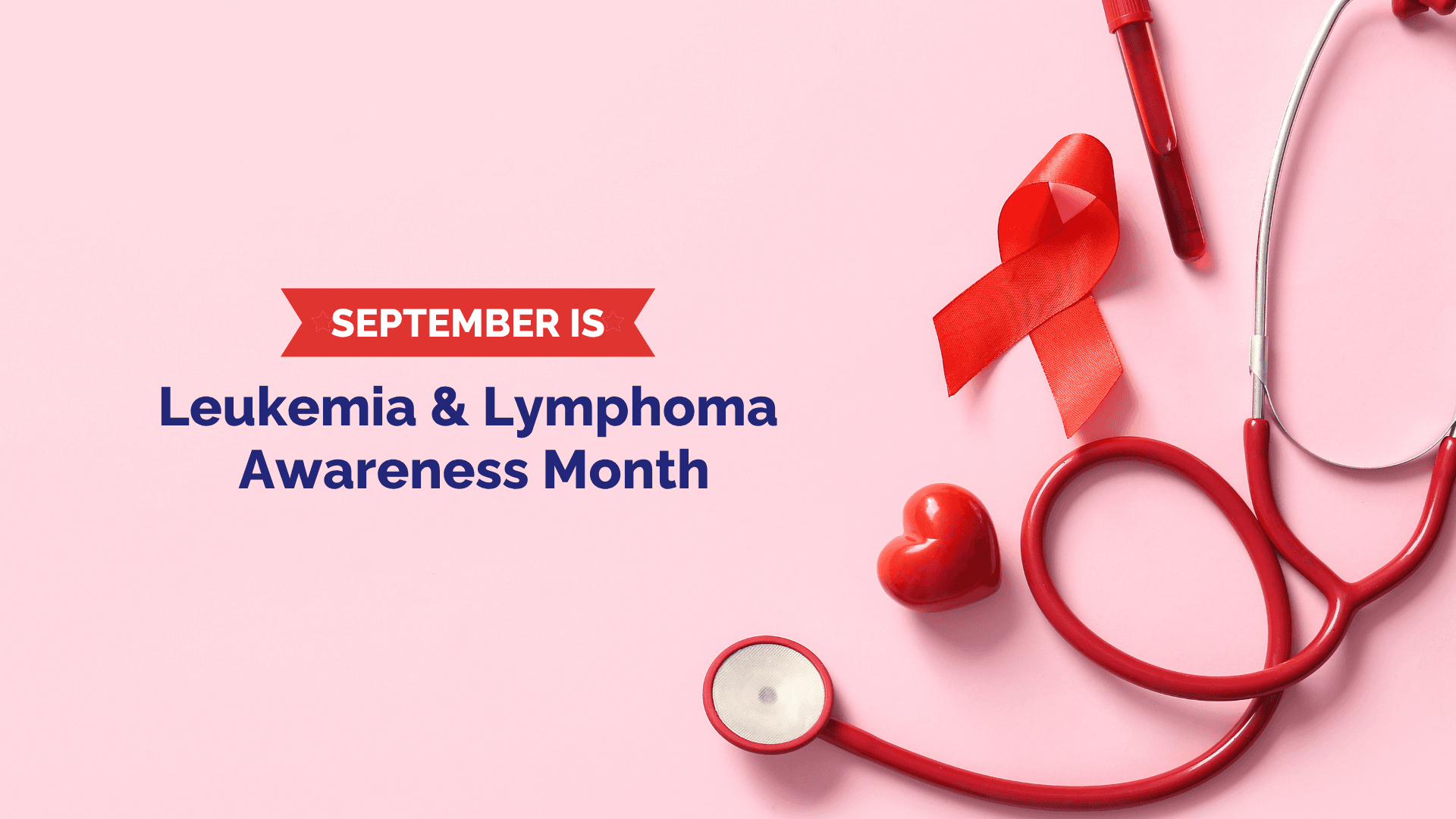
In recognition of Leukemia and Lymphoma Awareness Month, ACCC compiled a group of resources to help care teams navigate two of the most commonly diagnosed adult leukemias: acute myeloid leukemia and chronic lymphocytic leukemia.