ACCC association of cancer care centers
Join/Renew
Login
Join/Renew
Login
Education & Resources
ACCC eXchange LogInSponsored Education from ACCC Corporate PartnersACCC eLearning LogInPresentations & Abstracts
Publications
Oncology IssuesPatient Assistance & Reimbursement GuideTrending Now in Cancer CareBusiness Case Studies for Hiring New Staff
Events
2026 ACCC Leadership SummitAnnual Meeting & Cancer Center Business SummitCapitol Hill DayNational Oncology ConferenceOncology Reimbursement MeetingsOncology State Society Meetings
Policy & Advocacy
ACCC 2026 Policy PrioritiesLetters & StatementsAccess, Payment & Reimbursement ReformWhite Bagging & Brown BaggingAdvocacy ResourcesCancer Moonshot
Membership
Join | RenewWho We AreMembership Types & BenefitsCorporate MembersACCC Member Portal FAQMember Directory
Partners
Oncology State SocietiesPartner OrganizationsCME
News
News ReleasesAdvocacy News ReleasesOncology News
About ACCC
Timeline / 50th Anniversary2025 Impact ReportPresident's ThemeACCC Innovator AwardsACCC FellowsBoard of TrusteesACCC Senior Staff
Breast CancerMetastatic Breast Cancer
Gastrointestinal CancerBiliary Tract CancerColorectal CancerGastric CancerLiver Cancer
Genitourinary CancerBladder CancerProstate CancerRenal Cell Carcinoma
Gynecologic Cancer
Head & Neck Cancer
Hematologic MalignanciesAcute Lymphocytic Leukemia (ALL)Acute Myeloid Leukemia (AML)Chronic Lymphocytic Leukemia (CLL)Mantle Cell Lymphoma (MCL)Multiple Myeloma (MM)Myelodysplastic Syndromes (MDS)
Lung CancerNon-Small Cell Lung Cancer (NSCLC)Small Cell Lung Cancer (SCLC)
Sarcoma
Skin CancerMelanomaNon-Melanoma Skin Cancers (NMSC)
Clinical Practice & TreatmentCancer DiagnosticsCare CoordinationEHR Integration for Biomarker TestingQuality Improvement Collaboration: Integration of Precision Medicine in Community OncologyTreatment
Financial NavigationFAN Boot CampFinancial Advocacy Network (FAN) Resource LibraryPatient Assistance & Reimbursement GuidePrior Authorization
Health Equity & Access3, 2, 1, Go! Practical Solutions for Addressing Cancer Care DisparitiesAppalachian Community Cancer AllianceOncology Advanced PractitionersPersonalizing Care for Patients of All BackgroundsSocial Drivers of Health
Patient-Centered CareAddressing Care Disparities for VeteransAdolescent and Young Adult (AYA)Care Action Plans for People with CancerDermatologic ToxicitiesEmpowering CaregiversGeriatric OncologyHealth LiteracyNutritionOncology PharmacyPatient NavigationPsychosocial Care in OncologyShared Decision-MakingSupportive CareSurvivorship Care
Practice Management & OperationsCancer Program FundamentalsLeadership Sustainment and Engagement VideosOncology Practice Transformation and Integration CenterOncology Team Resiliency
ResearchACCC Community Oncology Research Institute (ACORI)
Technology & InnovationTelehealth & Digital Medicine
ACCCBuzz Blog
CANCER BUZZ Podcast
Oncology Issues
Join/Renew
Login
Breast CancerMetastatic Breast Cancer
Gastrointestinal CancerBiliary Tract CancerColorectal CancerGastric CancerLiver Cancer
Genitourinary CancerBladder CancerProstate CancerRenal Cell Carcinoma
Gynecologic Cancer
Head & Neck Cancer
Hematologic MalignanciesAcute Lymphocytic Leukemia (ALL)Acute Myeloid Leukemia (AML)Chronic Lymphocytic Leukemia (CLL)Mantle Cell Lymphoma (MCL)Multiple Myeloma (MM)Myelodysplastic Syndromes (MDS)
Lung CancerNon-Small Cell Lung Cancer (NSCLC)Small Cell Lung Cancer (SCLC)
Sarcoma
Skin CancerMelanomaNon-Melanoma Skin Cancers (NMSC)
Clinical Practice & TreatmentCancer DiagnosticsCare CoordinationEHR Integration for Biomarker TestingQuality Improvement Collaboration: Integration of Precision Medicine in Community OncologyTreatment
Financial NavigationFAN Boot CampFinancial Advocacy Network (FAN) Resource LibraryPatient Assistance & Reimbursement GuidePrior Authorization
Health Equity & Access3, 2, 1, Go! Practical Solutions for Addressing Cancer Care DisparitiesAppalachian Community Cancer AllianceOncology Advanced PractitionersPersonalizing Care for Patients of All BackgroundsSocial Drivers of Health
Patient-Centered CareAddressing Care Disparities for VeteransAdolescent and Young Adult (AYA)Care Action Plans for People with CancerDermatologic ToxicitiesEmpowering CaregiversGeriatric OncologyHealth LiteracyNutritionOncology PharmacyPatient NavigationPsychosocial Care in OncologyShared Decision-MakingSupportive CareSurvivorship Care
Practice Management & OperationsCancer Program FundamentalsLeadership Sustainment and Engagement VideosOncology Practice Transformation and Integration CenterOncology Team Resiliency
ResearchACCC Community Oncology Research Institute (ACORI)
Technology & InnovationTelehealth & Digital Medicine
ACCCBuzz Blog
CANCER BUZZ Podcast
Oncology Issues
    • Education & Resources
    • Publications
    • Events
    • Policy & Advocacy
    • Membership
    • Partners
    • News
    • About ACCC
ACCC association of cancer care centers
5425 Wisconsin Ave #600, Chevy Chase, MD 20815
Tel: 301.984.9496 Email Us
Contact UsVolunteers
Advertise
Career Center
Terms and Conditions
Privacy Policy
ACCC Rebranding
Copyright © 2026 Association of Cancer Care Centers. All Rights Reserved.
HomeACCCBuzz Blog

Medicare Oncology Care Model: Opportunities for Social Work Participation

December 21, 2016
By Fran Becker, LCSW, OSW-C

Medicare Oncology Care Model: Opportunities for Social Work Participation

The oncology community continues to follow developments with the Center for Medicare and Medicaid Innovation (CMMI) Oncology Care Model (OCM), a program that aims to improve patient care, efficiency, effectiveness, and lower costs.

As participating cancer programs implement the changes mandated by the OCM, increased responsibilities for social work are clear. In fact, under the model, the involvement of, and coordination with, social work is needed in a number of areas.

The OCM mandates that all patients receive patient navigation and supportive services during their treatment. These services encompass assistance in a number of areas, including financial, transportation, and facilitation of follow-up services.

As a component of the OCM, Medicare is requiring the documentation of a comprehensive Care Management Plan described in the National Academies (formerly, known as the Institute of Medicine) report, Delivering High-Quality Cancer Care: Charting a New Course for a System in Crisis. All patients are to receive a care plan consisting of 13 items. Among these, there are two areas that call for social work services:

Advance Care Plans – Social work has been involved in these conversations for some time in many settings. In fact, Medicare has revised payment policies to include advance care planning (CPT code 99497; add-on CPT code 99498). While the physician is the primary provider in advance care planning conversations, members of the cancer care team, including social work and other allied healthcare professionals, have an opportunity to be involved in these conversations

Distress Screening – Another important requirement under the OCM is screening for depression during each episode of care. As part of the patient’s care plan, OCM participants are required to screen and document a plan to address a patient’s psychosocial health needs. While many cancer programs screen for distress using the NCCN Distress Thermometer, Medicare has determined that this tool is not sufficient to screen for depression under the OCM, and asks OCM participants to use the PHQ-2 and PHQ-9 for depression screening. The PHQ-2 self-report asks two questions to determine if a more extensive evaluation is needed. If the patient scores at a three or above, the patient is asked to complete the lengthier PHQ-9. During this meeting, if the patient screens in for depression, social work involvement escalates. Social work has several options for helping patients, including offering counseling services in-house or referral to an outside agency, referral to the patient’s primary care provider, oncologist, or a psychiatrist. Even if the program is providing clinical social work services, follow-up on these referrals is needed to ensure patients follow through. In addition, social work is required to follow the patient to assess improvement or the need for additional services.

Social workers play an important role in helping OCM participating programs succeed under this innovative new model. Practices that are not participating in the OCM should do a self-assessment in terms of their social work capabilities, and their ability to support patients’ psychosocial health needs. As signaled through CMMI’s inclusion of social work and patient navigation services in the OCM model, this holistic approach to cancer treatment is sure to be the future of oncology care.

If you are a participating OCM practice, be sure to join ACCC’s OCM Collaborative, an online community of OCM practices sharing best practices, tools, and tips to succeed in the OCM. Join today.

Guest blogger Fran Becker, LCSW, OSW-C, is manager of Cancer Support Services, Carl & Dorothy Bennett Cancer Center, Stamford Hospital, and a past member of the ACCC Board of Trustees.


Related Content

Decentralized Clinical Trials in Community Oncology: Advancing Access Requires More Than TechnologyACCCBuzz Blog

Decentralized Clinical Trials in Community Oncology: Advancing Access Requires More Than Technology

September 10, 2026

Highlights From Volume 41, Number 4 Oncology IssuesACCCBuzz Blog

Highlights From Volume 41, Number 4 Oncology Issues

Gabrielle Stearns

August 20, 2026

Transforming Access to Care Through Pre-Intake Navigation

Upcoming Events

ACCC 43rd National Oncology Conference

ACCC 43rd National Oncology Conference

In Person October 21, 2026 at 8:00 AM EDT450 Summer St, Boston, MA 02210, USAOmni Boston Hotel at the Seaport, Boston
Register Now!
ACCC Oncology Reimbursement Meeting | Reno

ACCC Oncology Reimbursement Meeting | Reno

In Person November 4, 2026 at 8:00 AM EST255 North Virginia Street, Reno, NV, USAWhitney Peak Hotel Reno, Tapestry Collection by Hilton,
Register Now!
ACCC Oncology Reimbursement Meeting | Providence

ACCC Oncology Reimbursement Meeting | Providence

In Person November 10, 2026 at 8:00 AM EST5 Avenue of the Arts, Providence, RI, USARenaissance Providence Downtown Hotel,
Register Now!
MSOS 2026 Bozeman Meeting
Oncology

MSOS 2026 Bozeman Meeting

In Person Meeting & NetworkingSeptember 22, 2026 at 5:30 PM EDT5 W Mendenhall St suite 102, Bozeman, MT 59715, USA Urban Kitchen, Bozeman
Register Now!
MSCO 2026 Fall Conference
Oncology

MSCO 2026 Fall Conference

In Person Conference & ConventionSeptember 22, 2026 at 5:00 PM CDT1500 Park Pl Blvd, Minneapolis, MN, USADoubleTree by Hilton Hotel Minneapolis - Park Place, Minneapolis
Register Now!
HSCO 2026 September Dinner Symposium
Oncology

HSCO 2026 September Dinner Symposium

In Person Conference & ConventionSeptember 23, 2026 at 5:30 PM HST3660 Waialae Ave, Honolulu, HI, USA3660 On The Rise, Honolulu
Register Now!
RIOS Fall Meeting
Oncology

RIOS Fall Meeting

In Person Conference & ConventionSeptember 25, 2026 at 5:30 PM EDT139 Mathewson Street, Providence, RI, USAHotel Providence, Providence
Register Now!
Yellowstone Best of ASCO 2026 Presented By ISCO/MSOS/WSOS
Oncology

Yellowstone Best of ASCO 2026 Presented By ISCO/MSOS/WSOS

In Person Conference & ConventionOctober 2, 2026 at 6:00 PM MDT400 E Snow King Ave, Jackson, WY, USASnow King Resort, Jackson
Register Now!
IOS 2026 Oncology Practice Summit
Oncology

IOS 2026 Oncology Practice Summit

In Person Conference & ConventionOctober 3, 2026 at 7:30 AM EDT8787 Keystone Crossing, Indianapolis, IN, USASheraton Indianapolis Hotel at Keystone Crossing, Indianapolis
Register Now!
MOS 2026 Fall Conference
Oncology

MOS 2026 Fall Conference

In Person Conference & ConventionOctober 6, 2026 at 5:15 PM CDT7730 Bonhomme Avenue, Clayton, St. Louis, MO, USALe Méridien St. Louis Clayton, Clayton
Register Now!
Advertisement
Advertisement

Trending Now on
ACCCBuzz Blog

Decentralized Clinical Trials in Community Oncology: Advancing Access Requires More Than Technology

Decentralized Clinical Trials in Community Oncology: Advancing Access Requires More Than Technology

Decentralized clinical trial approaches, including remote consent, telehealth, local laboratory and imaging services, and more, can help reduce some of the many barriers that prevent eligible patients from participating in trials. But as the participants in ACCC’s Advancing Decentralized Clinical Trials in the Community Setting Roundtable Series emphasized, implementing DCT elements is not simply a matter of adopting new technology. Doing so successfully requires thoughtful workflows and oversight structures that consider equity, scalability, and sustainability.

Highlights From Volume 41, Number 4 Oncology Issues

Highlights From Volume 41, Number 4 Oncology Issues

From precision medicine to psychosocial care to navigation for a diverse population, the latest issue Oncology Issues brings insights into not just institutional and administrative barriers to treatment, but areas of care that directly impact the lived experience of those navigating the cancer care continuum.

ACCCBuzz Blog

Transforming Access to Care Through Pre-Intake Navigation

Rachel Radwan

August 6, 2026

An APP-Led Outpatient Bispecific Antibody ClinicACCCBuzz Blog

An APP-Led Outpatient Bispecific Antibody Clinic

Rachel Radwan

August 4, 2026

Advancing Critical Priorities at the State Level: Louisiana, Iowa, and Washington Awarded for Their Efforts at 2026 ASCO Annual MeetingACCCBuzz Blog

Advancing Critical Priorities at the State Level: Louisiana, Iowa, and Washington Awarded for Their Efforts at 2026 ASCO Annual Meeting

Rachel Radwan

July 29, 2026

Designing a Safe, Fully Outpatient CAR T-Cell Program in the CommunityACCCBuzz Blog

Designing a Safe, Fully Outpatient CAR T-Cell Program in the Community

Rachel Radwan

July 27, 2026

Local Staff, Lasting Impact: A New Model for Rural Cancer PreventionACCCBuzz Blog

Local Staff, Lasting Impact: A New Model for Rural Cancer Prevention

Rachel Radwan

July 16, 2026

A Pharmacist-Led Strategy to Improve Care With Oncolytic Virus TreatmentsACCCBuzz Blog

A Pharmacist-Led Strategy to Improve Care With Oncolytic Virus Treatments

Rachel Radwan

July 14, 2026

Transforming Access to Care Through Pre-Intake Navigation

Transforming Access to Care Through Pre-Intake Navigation

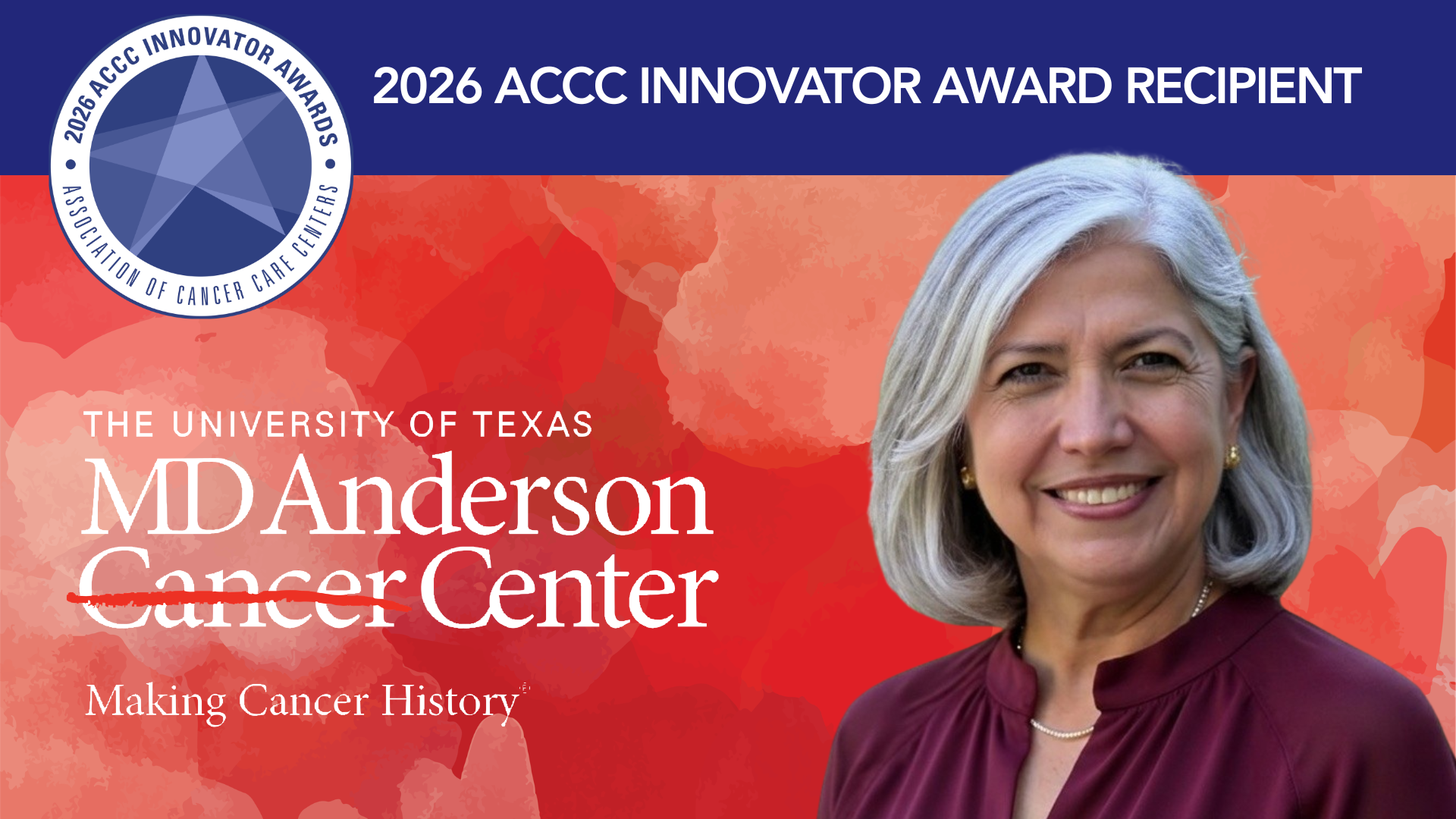
The University of Texas MD Anderson Cancer Center in Houston, Texas, developed a novel Pre-Intake Navigation (PIN) program, which identifies and resolves early financial and insurance barriers, enabling patients to access timely, high-quality cancer care with less anxiety and fewer delays. PIN shifts financial navigation from a late-stage, reactive task to an early, standardized, patient‑centered process embedded in the call center workflow.

An APP-Led Outpatient Bispecific Antibody Clinic

An APP-Led Outpatient Bispecific Antibody Clinic

Understanding both the benefits to be had from offering BsAb therapy to its community and the scope of this undertaking, Vanderbilt-Ingram Cancer Center took a novel approach with its APP-led BsAb step-up dosing clinic, which won the program a 2026 ACCC Innovator Award.

View All ACCCBuzz Blogs

Recently Heard on
CANCER BUZZ Podcast

Embedding Local Expertise in Rural Cancer Prevention - Podcast [Ep. 241]

From Reactive to Proactive: Improving Access to Cancer Care Through Pre-Intake Navigation - [Podcast] Ep. 240

Real-World Oncology Decentralized Trials - [Video Podcast] Ep. 66

The Real Cost of Cancer: Financial Toxicity, Transportation Challenges, and Access Gaps – [Video Podcast] Ep. 65

View All Podcasts

Latest from Oncology Issues

August 2026
August 2026
June 2026
April 2026
February 2026
December 2025
View All Oncology Issues

Join the Conversation

ACCC eXchange Digital Banner
Login