ACCC association of cancer care centers
Join/Renew
Login
Join/Renew
Login
Education & Resources
ACCC eXchange LogInCorporate Member Sponsored ResourcesACCC eLearning LogInPresentations & Abstracts
Publications
Oncology IssuesPatient Assistance & Reimbursement GuideTrending Now in Cancer CareBusiness Case Studies for Hiring New Staff
Events
2026 ACCC Leadership SummitAnnual Meeting & Cancer Center Business SummitCapitol Hill DayNational Oncology ConferenceOncology Reimbursement MeetingsOncology State Society Meetings
Policy & Advocacy
ACCC 2026 Policy PrioritiesLetters & StatementsAccess, Payment & Reimbursement ReformWhite Bagging & Brown BaggingAdvocacy ResourcesCancer Moonshot
Membership
Join | RenewWho We AreMembership Types & BenefitsCorporate MembersACCC Member Portal FAQMember Directory
Partners
Oncology State SocietiesPartner OrganizationsCME
News
News ReleasesAdvocacy News ReleasesOncology News
About ACCC
Timeline / 50th Anniversary2025 Impact ReportPresident's ThemeACCC Innovator AwardsACCC FellowsBoard of TrusteesACCC Senior Staff
Breast CancerMetastatic Breast Cancer
Gastrointestinal CancerBiliary Tract CancerColorectal CancerGastric CancerLiver Cancer
Genitourinary CancerBladder CancerProstate CancerRenal Cell Carcinoma
Gynecologic CancerOvarian Cancer
Head & Neck Cancer
Hematologic MalignanciesAcute Lymphocytic Leukemia (ALL)Acute Myeloid Leukemia (AML)Chronic Lymphocytic Leukemia (CLL)Mantle Cell Lymphoma (MCL)Multiple Myeloma (MM)Myelodysplastic Syndromes (MDS)
Lung CancerNon-Small Cell Lung Cancer (NSCLC)Small Cell Lung Cancer (SCLC)
Sarcoma
Skin CancerMelanomaNon-Melanoma Skin Cancers (NMSC)
Clinical Practice & TreatmentCancer DiagnosticsCare CoordinationEHR Integration for Biomarker TestingQuality Improvement Collaboration: Integration of Precision Medicine in Community OncologyTreatment
Financial NavigationFAN Boot CampFinancial Advocacy Network (FAN) Resource LibraryPatient Assistance & Reimbursement GuidePrior Authorization
Health Equity & Access3, 2, 1, Go! Practical Solutions for Addressing Cancer Care DisparitiesAppalachian Community Cancer AllianceOncology Advanced PractitionersPersonalizing Care for Patients of All BackgroundsSocial Drivers of Health
Patient-Centered CareAddressing Care Disparities for VeteransAdolescent and Young Adult (AYA)Care Action Plans for People with CancerDermatologic ToxicitiesEmpowering CaregiversGeriatric OncologyHealth LiteracyNutritionOncology PharmacyPatient NavigationPsychosocial Care in OncologyShared Decision-MakingSupportive CareSurvivorship Care
Practice Management & OperationsCancer Program FundamentalsLeadership Sustainment and Engagement VideosOncology Practice Transformation and Integration CenterOncology Team Resiliency
ResearchACCC Community Oncology Research Institute (ACORI)
Technology & InnovationTelehealth & Digital Medicine
ACCCBuzz Blog
CANCER BUZZ Podcast
Oncology Issues
Join/Renew
Login
Breast CancerMetastatic Breast Cancer
Gastrointestinal CancerBiliary Tract CancerColorectal CancerGastric CancerLiver Cancer
Genitourinary CancerBladder CancerProstate CancerRenal Cell Carcinoma
Gynecologic CancerOvarian Cancer
Head & Neck Cancer
Hematologic MalignanciesAcute Lymphocytic Leukemia (ALL)Acute Myeloid Leukemia (AML)Chronic Lymphocytic Leukemia (CLL)Mantle Cell Lymphoma (MCL)Multiple Myeloma (MM)Myelodysplastic Syndromes (MDS)
Lung CancerNon-Small Cell Lung Cancer (NSCLC)Small Cell Lung Cancer (SCLC)
Sarcoma
Skin CancerMelanomaNon-Melanoma Skin Cancers (NMSC)
Clinical Practice & TreatmentCancer DiagnosticsCare CoordinationEHR Integration for Biomarker TestingQuality Improvement Collaboration: Integration of Precision Medicine in Community OncologyTreatment
Financial NavigationFAN Boot CampFinancial Advocacy Network (FAN) Resource LibraryPatient Assistance & Reimbursement GuidePrior Authorization
Health Equity & Access3, 2, 1, Go! Practical Solutions for Addressing Cancer Care DisparitiesAppalachian Community Cancer AllianceOncology Advanced PractitionersPersonalizing Care for Patients of All BackgroundsSocial Drivers of Health
Patient-Centered CareAddressing Care Disparities for VeteransAdolescent and Young Adult (AYA)Care Action Plans for People with CancerDermatologic ToxicitiesEmpowering CaregiversGeriatric OncologyHealth LiteracyNutritionOncology PharmacyPatient NavigationPsychosocial Care in OncologyShared Decision-MakingSupportive CareSurvivorship Care
Practice Management & OperationsCancer Program FundamentalsLeadership Sustainment and Engagement VideosOncology Practice Transformation and Integration CenterOncology Team Resiliency
ResearchACCC Community Oncology Research Institute (ACORI)
Technology & InnovationTelehealth & Digital Medicine
ACCCBuzz Blog
CANCER BUZZ Podcast
Oncology Issues
    • Education & Resources
    • Publications
    • Events
    • Policy & Advocacy
    • Membership
    • Partners
    • News
    • About ACCC
ACCC association of cancer care centers
5425 Wisconsin Ave #600, Chevy Chase, MD 20815
Tel: 301.984.9496 Email Us
Contact UsVolunteers
Advertise
Career Center
Terms and Conditions
Privacy Policy
ACCC Rebranding
Copyright © 2026 Association of Cancer Care Centers. All Rights Reserved.
HomeACCCBuzz Blog

Challenging Assumptions for Equitable Care: Bladder Health Awareness Month

November 21, 2025

Author(s):

Gabrielle Stearns
Gabrielle Stearns

In recognition of Bladder Health Awareness Month, ACCC shares the results of a recent quality improvement study, which provides impactful steps cancer centers can take to mitigate disparities in bladder cancer.
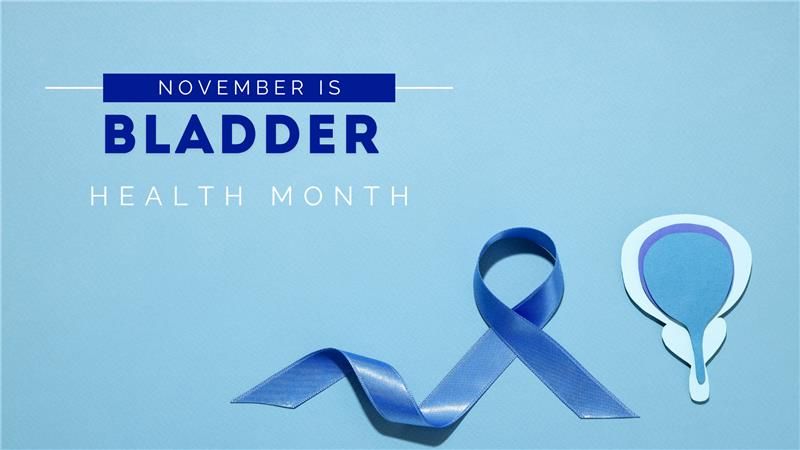
Challenging Assumptions for Equitable Care: Bladder Health Awareness Month

November is Bladder Health Awareness Month, a time for the oncology community to reflect on progress and opportunities in bladder cancer care. Bladder cancer usually arises from the urothelial lining of the urinary tract, most commonly presenting as non–muscle-invasive bladder cancer. When tumors infiltrate the detrusor muscle, they progress to muscle-invasive bladder cancer, a biologically and clinically distinct stage that necessitates more aggressive management. Typically, the first sign of the disease is hematuria, or blood in the urine. However, not all patients with hematuria receive timely screenings for bladder cancer, causing significant disparities in outcomes.

Shedding Light on Bladder Cancer Disparities

According to the National Cancer Institute (NCI), there are nearly 85,000 new cases of bladder cancer in the US each year. The disease is notably more common in men and among White populations, and typically occurs in those aged 55 or older, with the median age at diagnosis being 73. Patients outside those demographic majorities tend to experience worse outcomes, likely because they don’t fit the typical bladder cancer patient profile. Both female and Black patients have a lower relative survival rate than their White male counterparts, regardless of cancer stage at presentation.

In 2021, the Association of Cancer Care Centers (ACCC) conducted a Bladder Cancer Economics Study to capture a clear picture of bladder cancer disparities. Results of an analysis of Medicare claims between 2016 and 2019 showed that Black, Asian, Hispanic, and North American Native patients are diagnosed later when compared to White patients. After patients presented with hematuria, it took an average of 5.4 months for White individuals with early-stage bladder cancer to receive a diagnosis. For Black patients, that time jumped to 6.5 months, and Asian, Hispanic, and North American Native populations waited an average of 7.3 months. After diagnosis, White patients waited less time before starting treatment, especially in cases of late-stage disease: an average of 35 days compared to 41 days for Black, Asian, Hispanic, and North American Native patients.

From this study, ACCC produced a list of impactful steps that cancer centers can take to mitigate disparities in bladder cancer, addressing factors like financial toxicity, diagnosis delays, and patient education. Three of those tips became the focus of a quality improvement (QI) study, which funded projects by ACCC members to provide equitable care in their communities.

Culturally Appropriate Patient Education

Each of the 3 cancer centers selected for the QI program completed an organizational assessment and participated in an expert-led workshop to identify the institution’s greatest need. Through this process, Crosson Cancer Institute at Providence St. Jude Medical Center (SJMC) in Fullerton, California, recognized an important gap in its patient education resources: the care team needed a bladder cancer–specific resource written in the 3 most common patient languages—English, Spanish, and Korean—that reflects the diverse cultures and health literacy levels of the patient population.

During the 6-month QI program, SJMC used its already successful prostate cancer patient guide as a template to produce a similar resource for patients with bladder cancer. This guide includes plain-language descriptions, links to resources created by advocacy organizations, and space for nurse navigators to write additional information related to the patient’s treatment plan. The project was led by a nurse navigator and engaged members of the SJMC Patient and Family Advisory Council, as well as staff and members of the Hispanic and Korean communities. As the 6-month period ended, SJMC was preparing to translate the new resource into Spanish and begin integrating it into its clinical workflow, continuing the project’s momentum beyond the initial phase of work.

SJMC identified that resources created by outside organizations, such as ACCC and the Bladder Cancer Advocacy Network, were particularly helpful for developing its own guide and providing supplemental information to patients. “Learning about all of the resources that are out there was so helpful,” said Fannie M. Hansen, MBA, MSN, RN, executive director of oncology at SJMC. “There is a village helping to make sure these patients get what they need.”

Increasing Access to Supportive Care Services

University of North Carolina Health (UNC) is a large health care system, including a provider network, clinical programs in the UNC School of Medicine, 14 hospitals, and an NCI-Designated Comprehensive Cancer Center. While this network has access to a robust range of internal and external supportive care services, they were underutilized by patients.

UNC used the 6-month QI program to identify all available supportive care services, develop a needs assessment to understand how these services were being used, and distribute the assessment to care team members. The results revealed a gap in knowledge about available resources by UNC providers.

“Our survey definitely opened our eyes to the fact that it is not just 1 or 2 of us that do not know what resources are available. We have great resources; we just do not know how to access or utilize all of them,” said Kathryn Gessner, MD, PhD, assistant professor of urology at UNC School of Medicine.

The top 3 challenges identified in the needs assessment were time constraints, uncertainty about who to contact to connect patients with the appropriate service, and uncertainty about what resources were available. Moving beyond the QI program, UNC created a plan to develop a resource guide available in the electronic health record, standardize after-visit summaries to include key resources, provide trainings on these new tools, and repeat the needs assessment to evaluate improvement.

Care Coordination Between Urban and Rural Centers

The University of Kentucky (UK) Markey Cancer Center is the only NCI-Designated Comprehensive Cancer Center in the state. It serves a large catchment area, including all of Kentucky, western West Virginia, northern Tennessee, and parts of southern Ohio; approximately one-third of patients travel more than 50 miles to reach the cancer center.

UK Markey Cancer Center used the QI program to identify opportunities for better care coordination with community cancer centers. A web-based needs assessment was developed and distributed to urologists practicing in the community to better understand the care services available, timelines for referrals, and barriers to introducing new treatment options in the community setting. The data from this needs assessment will be used to improve care coordination with community urologists and expand the services offered to bladder cancer patients in centers closer to home, removing the logistical and financial barriers associated with traveling for care.

Challenging Assumptions to Tackle Disparities

When providers only expect to see bladder cancer in the most common demographics, diverse patients may fall through the cracks. Likewise, a complete knowledge of the landscape of bladder cancer care is essential to address these disparities. The 3 cancer centers that participated in ACCC’s QI program committed to collecting data and expanding their awareness of gaps in the field, aiming to optimize the outcomes of their patients with bladder cancer across age, race, and sex.

“Assumptions are dangerous,” said Stephen E. Strup, MD, FACS, chairman of the department of urologic surgery at UK Markey Cancer Center and participant in the QI program. “Understanding where we are in our state and then helping build what is needed—that is key.”

Resources

  • Podcast: Better Bladder Cancer Care, Closer to Home
  • Vodcast: Key Takeaways from a National Quality Improvement Initiative to Address Disparities in Bladder Cancer Care

Related Content

Highlights From Volume 41, Number 4 Oncology IssuesACCCBuzz Blog

Highlights From Volume 41, Number 4 Oncology Issues

Gabrielle Stearns

August 20, 2026

Transforming Access to Care Through Pre-Intake NavigationACCCBuzz Blog

Transforming Access to Care Through Pre-Intake Navigation

Rachel Radwan

August 6, 2026

An APP-Led Outpatient Bispecific Antibody Clinic

Upcoming Events

ACCC 43rd National Oncology Conference

ACCC 43rd National Oncology Conference

In Person October 21, 2026 at 8:00 AM EDT450 Summer St, Boston, MA 02210, USAOmni Boston Hotel at the Seaport, Boston
Register Now!
ACCC Oncology Reimbursement Meeting | Reno

ACCC Oncology Reimbursement Meeting | Reno

In Person November 4, 2026 at 8:00 AM EST255 North Virginia Street, Reno, NV, USAWhitney Peak Hotel Reno, Tapestry Collection by Hilton,
Register Now!
ACCC Oncology Reimbursement Meeting | Providence

ACCC Oncology Reimbursement Meeting | Providence

In Person November 10, 2026 at 8:00 AM EST5 Avenue of the Arts, Providence, RI, USARenaissance Providence Downtown Hotel,
Register Now!
NMSCO 2026 Fall Conference
Oncology

NMSCO 2026 Fall Conference

In Person Conference & ConventionSeptember 12, 2026 at 7:30 AM MDT2101 Louisiana Boulevard NE Albuquerque, NM, 87110Marriott Albuquerque, Albuquerque
Register Now!
TxSCO 2026 Annual Conference
Oncology

TxSCO 2026 Annual Conference

In Person Conference & ConventionSeptember 18, 2026 at 6:00 PM CDT501 Gaylord Trail, Grapevine, TX, USAGaylord Texan Resort & Convention Center, Grapevine
Register Now!
KYSCO 2026 Fall Oncology Review
Oncology

KYSCO 2026 Fall Oncology Review

In Person Conference & ConventionSeptember 19, 2026 at 7:00 AM EDT500 S 4th St, Louisville, KY, USAThe Seelbach Hilton Louisville, Louisville
Register Now!
ESHOS Horizons 2026
Oncology

ESHOS Horizons 2026

In Person Conference & ConventionSeptember 19, 2026 at 7:30 AM EDT1 Liberty Street, New York, NY, USAConvene at One Liberty Plaza, New York
Register Now!
MSOS 2026 Bozeman Meeting
Oncology

MSOS 2026 Bozeman Meeting

In Person Meeting & NetworkingSeptember 22, 2026 at 5:30 PM EDT5 W Mendenhall St suite 102, Bozeman, MT 59715, USA Urban Kitchen, Bozeman
Register Now!
MSCO 2026 Fall Conference
Oncology

MSCO 2026 Fall Conference

In Person Conference & ConventionSeptember 22, 2026 at 5:00 PM CDT1500 Park Pl Blvd, Minneapolis, MN, USADoubleTree by Hilton Hotel Minneapolis - Park Place, Minneapolis
Register Now!
HSCO 2026 September Dinner Symposium
Oncology

HSCO 2026 September Dinner Symposium

In Person Conference & ConventionSeptember 23, 2026 at 5:30 PM HST3660 Waialae Ave, Honolulu, HI, USA3660 On The Rise, Honolulu
Register Now!
Advertisement
Advertisement

Trending Now on
ACCCBuzz Blog

Highlights From Volume 41, Number 4 Oncology Issues

Highlights From Volume 41, Number 4 Oncology Issues

From precision medicine to psychosocial care to navigation for a diverse population, the latest issue Oncology Issues brings insights into not just institutional and administrative barriers to treatment, but areas of care that directly impact the lived experience of those navigating the cancer care continuum.

Transforming Access to Care Through Pre-Intake Navigation

Transforming Access to Care Through Pre-Intake Navigation

The University of Texas MD Anderson Cancer Center in Houston, Texas, developed a novel Pre-Intake Navigation (PIN) program, which identifies and resolves early financial and insurance barriers, enabling patients to access timely, high-quality cancer care with less anxiety and fewer delays. PIN shifts financial navigation from a late-stage, reactive task to an early, standardized, patient‑centered process embedded in the call center workflow.

ACCCBuzz Blog

An APP-Led Outpatient Bispecific Antibody Clinic

Rachel Radwan

August 4, 2026

Advancing Critical Priorities at the State Level: Louisiana, Iowa, and Washington Awarded for Their Efforts at 2026 ASCO Annual MeetingACCCBuzz Blog

Advancing Critical Priorities at the State Level: Louisiana, Iowa, and Washington Awarded for Their Efforts at 2026 ASCO Annual Meeting

Rachel Radwan

July 29, 2026

Designing a Safe, Fully Outpatient CAR T-Cell Program in the CommunityACCCBuzz Blog

Designing a Safe, Fully Outpatient CAR T-Cell Program in the Community

Rachel Radwan

July 27, 2026

Local Staff, Lasting Impact: A New Model for Rural Cancer PreventionACCCBuzz Blog

Local Staff, Lasting Impact: A New Model for Rural Cancer Prevention

Rachel Radwan

July 16, 2026

A Pharmacist-Led Strategy to Improve Care With Oncolytic Virus TreatmentsACCCBuzz Blog

A Pharmacist-Led Strategy to Improve Care With Oncolytic Virus Treatments

Rachel Radwan

July 14, 2026

Extending Patient-Centered Cancer Care to Transgender and Nonbinary IndividualsACCCBuzz Blog

Extending Patient-Centered Cancer Care to Transgender and Nonbinary Individuals

Gabrielle Stearns

June 30, 2026

An APP-Led Outpatient Bispecific Antibody Clinic

An APP-Led Outpatient Bispecific Antibody Clinic

Understanding both the benefits to be had from offering BsAb therapy to its community and the scope of this undertaking, Vanderbilt-Ingram Cancer Center took a novel approach with its APP-led BsAb step-up dosing clinic, which won the program a 2026 ACCC Innovator Award.

Advancing Critical Priorities at the State Level: Louisiana, Iowa, and Washington Awarded for Their Efforts at 2026 ASCO Annual Meeting

Advancing Critical Priorities at the State Level: Louisiana, Iowa, and Washington Awarded for Their Efforts at 2026 ASCO Annual Meeting

At the 2026 ASCO Annual Meeting, the Louisiana Oncology Society received the ASCO Jeffrey C Ward Affiliate Advocacy Award for advancing critical advocacy priorities that have translated into meaningful legislative victories. The Iowa Oncology Society and Washington State Medical Oncology Society were also recognized for their advocacy efforts in 2025 at the meeting, receiving second place awards.

View All ACCCBuzz Blogs

Recently Heard on
CANCER BUZZ Podcast

Closing the Gap in Medical Necessity Review With a Clinical Documentation Integrity Registered Nurse - [Mini Podcast] Ep. 239

Utilizing APPs to Deliver Bispecific Antibodies in the Outpatient Setting - [Mini Podcast] Ep. 238

Between the Orders and the Infusion: The Patient Experience of Bispecific Antibodies - [Podcast] Ep. 237

Centering Compassion in Cancer Care – [Video Podcast] Ep. 64

View All Podcasts

Latest from Oncology Issues

August 2026
August 2026
June 2026
April 2026
February 2026
December 2025
View All Oncology Issues

Join the Conversation

ACCC eXchange Digital Banner
Login