ACCC association of cancer care centers
Join/Renew
Login
Join/Renew
Login
Education & Resources
ACCC eXchange LogInCorporate Member Sponsored ResourcesPresentations & AbstractsACCC Connect eLearning LogIn
Publications
Oncology IssuesPatient Assistance & Reimbursement GuideTrending Now in Cancer CareBusiness Case Studies for Hiring New Staff
Events
2026 ACCC Leadership SummitAnnual Meeting & Cancer Center Business SummitCapitol Hill DayNational Oncology ConferenceOncology Reimbursement MeetingsOncology State Society Meetings
Policy & Advocacy
ACCC 2026 Policy PrioritiesLetters & StatementsAccess, Payment & Reimbursement ReformWhite Bagging & Brown BaggingAdvocacy ResourcesCancer Moonshot
Membership
Join | RenewWho We AreMembership Types & BenefitsCorporate MembersACCC Member Portal FAQMember Directory
Partners
Oncology State SocietiesPartner OrganizationsCME
News
News ReleasesAdvocacy News ReleasesOncology News
About ACCC
Timeline / 50th Anniversary2025 Impact ReportPresident's ThemeACCC Innovator AwardsACCC FellowsBoard of TrusteesACCC Senior Staff
Breast CancerMetastatic Breast Cancer
Gastrointestinal CancerBiliary Tract CancerColorectal CancerGastric CancerLiver Cancer
Genitourinary CancerBladder CancerProstate CancerRenal Cell Carcinoma
Gynecologic CancerOvarian Cancer
Head & Neck Cancer
Hematologic MalignanciesAcute Lymphocytic Leukemia (ALL)Acute Myeloid Leukemia (AML)Chronic Lymphocytic Leukemia (CLL)Mantle Cell Lymphoma (MCL)Multiple Myeloma (MM)Myelodysplastic Syndromes (MDS)
Lung CancerNon-Small Cell Lung Cancer (NSCLC)Small Cell Lung Cancer (SCLC)
Sarcoma
Skin CancerMelanomaNon-Melanoma Skin Cancers (NMSC)
Clinical Practice & TreatmentCancer DiagnosticsCare CoordinationEHR Integration for Biomarker TestingQuality Improvement Collaboration: Integration of Precision Medicine in Community OncologyTreatment
Financial NavigationFAN Boot CampFinancial Advocacy Network (FAN) Resource LibraryPatient Assistance & Reimbursement GuidePrior Authorization
Health Equity & Access3, 2, 1, Go! Practical Solutions for Addressing Cancer Care DisparitiesAppalachian Community Cancer AllianceOncology Advanced PractitionersPersonalizing Care for Patients of All BackgroundsSocial Drivers of Health
Patient-Centered CareAddressing Care Disparities for VeteransAdolescent and Young Adult (AYA)Care Action Plans for People with CancerDermatologic ToxicitiesEmpowering CaregiversGeriatric OncologyHealth LiteracyNutritionOncology PharmacyPatient NavigationPsychosocial Care in OncologyShared Decision-MakingSupportive CareSurvivorship Care
Practice Management & OperationsCancer Program FundamentalsLeadership Sustainment and Engagement VideosOncology Practice Transformation and Integration CenterOncology Team Resiliency
ResearchACCC Community Oncology Research Institute (ACORI)
Technology & InnovationTelehealth & Digital Medicine
ACCCBuzz Blog
CANCER BUZZ Podcast
Oncology Issues
Join/Renew
Login
Breast CancerMetastatic Breast Cancer
Gastrointestinal CancerBiliary Tract CancerColorectal CancerGastric CancerLiver Cancer
Genitourinary CancerBladder CancerProstate CancerRenal Cell Carcinoma
Gynecologic CancerOvarian Cancer
Head & Neck Cancer
Hematologic MalignanciesAcute Lymphocytic Leukemia (ALL)Acute Myeloid Leukemia (AML)Chronic Lymphocytic Leukemia (CLL)Mantle Cell Lymphoma (MCL)Multiple Myeloma (MM)Myelodysplastic Syndromes (MDS)
Lung CancerNon-Small Cell Lung Cancer (NSCLC)Small Cell Lung Cancer (SCLC)
Sarcoma
Skin CancerMelanomaNon-Melanoma Skin Cancers (NMSC)
Clinical Practice & TreatmentCancer DiagnosticsCare CoordinationEHR Integration for Biomarker TestingQuality Improvement Collaboration: Integration of Precision Medicine in Community OncologyTreatment
Financial NavigationFAN Boot CampFinancial Advocacy Network (FAN) Resource LibraryPatient Assistance & Reimbursement GuidePrior Authorization
Health Equity & Access3, 2, 1, Go! Practical Solutions for Addressing Cancer Care DisparitiesAppalachian Community Cancer AllianceOncology Advanced PractitionersPersonalizing Care for Patients of All BackgroundsSocial Drivers of Health
Patient-Centered CareAddressing Care Disparities for VeteransAdolescent and Young Adult (AYA)Care Action Plans for People with CancerDermatologic ToxicitiesEmpowering CaregiversGeriatric OncologyHealth LiteracyNutritionOncology PharmacyPatient NavigationPsychosocial Care in OncologyShared Decision-MakingSupportive CareSurvivorship Care
Practice Management & OperationsCancer Program FundamentalsLeadership Sustainment and Engagement VideosOncology Practice Transformation and Integration CenterOncology Team Resiliency
ResearchACCC Community Oncology Research Institute (ACORI)
Technology & InnovationTelehealth & Digital Medicine
ACCCBuzz Blog
CANCER BUZZ Podcast
Oncology Issues
    • Education & Resources
    • Publications
    • Events
    • Policy & Advocacy
    • Membership
    • Partners
    • News
    • About ACCC
ACCC association of cancer care centers
1801 Research Boulevard, Suite 400, Rockville, MD 20850
Tel: 301.984.9496 Email Us
Contact UsVolunteers
Advertise
Career Center
Terms and Conditions
Privacy Policy
ACCC Rebranding
Copyright © 2026 Association of Cancer Care Centers. All Rights Reserved.
HomeACCCBuzz Blog

Cancer Inflammaging: Understanding the Role of Aging and Inflammation in Cancer

December 13, 2024

Author(s):

Nicole A. Colwell, MD

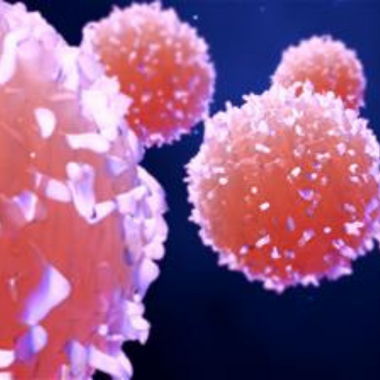
Chronic inflammation, a driving force behind tumor initiation and progression, is central to understanding the biology of cancer, as is the concept of inflammaging—the chronic, low-grade inflammation associated with aging.
Cancer Inflammaging: Understanding the Role of Aging and Inflammation in Cancer

Cancer represents a growing global health challenge that is fueled by aging populations and increasing life expectancy. According to the World Health Organization, cancer-related deaths reached nearly 10 million in 2022, and approximately 20 million new cases were detected. These figures represent a 25% rise in deaths and new cases compared to the previous decade, underscoring the escalating burden of disease worldwide.

Although there is no singular cause attributable to the development of cancer, there is a stark demographic shift in incidence toward aging individuals. By 2030, an estimated 70% of all cases will present in individuals 65 years or older. Moreover, central to understanding the molecular biology of cancer is its relationship with chronic inflammation, a driving force behind tumor initiation and progression. The connection between these factors is exemplified by a concept called inflammaging—the chronic, low-grade inflammation associated with aging.

In May 2024, The New York Academy of Sciences hosted an educational symposium entitled Cancer and Aging - The Inflammaging Connection. During the event, speakers at several keynote and plenary presentations attempted to answer the question, “Why have humans been so good at not getting cancer in the first 4 to 5 decades of life?” Potential answers to this question and the intricate molecular links between aging, inflammation, and cancer are explored below.

What Is Inflammaging?

Inflammaging describes the chronic, low-grade, inflammatory state that arises in the absence of infection and persists as a hallmark of aging. This condition is promoted by the activation of signaling pathways such as those regulated by the NF-κB transcription factor. Additionally, inflammaging is sustained by a variety of stimuli including cellular senescence, metabolic inflammation, gut microbiota dysfunction, and nutritional influences. These factors compound their influence over time and hit a watershed moment around midlife.

The Interplay Between Inflammation, Aging, and Cancer

Chronic inflammation is central to the development of cancer from initial tumor formation to metastatic spread. Inflammatory cells within the tumor microenvironment release factors that lead to (epi)genetic instability, cellular proliferation, and angiogenesis—all conditions that promote cancer growth. The inflammaging process exacerbates these conditions, creating a systemic pro-inflammatory state that intensifies with cellular and tissue aging.

This phenomenon is characterized by elevated levels of circulating inflammatory mediators such as interleukin-6 (IL-6), IL-1, TNF-α, and C-reactive protein. These markers are not only indicators of aging, but also predictors of age-related medical conditions that include cardiovascular disease, type 2 diabetes, Alzheimer’s disease, and cancer. The imbalance between pro-inflammatory and anti-inflammatory mediators underpins the conditions for disease development that affect tissues, organs, and immune function alike.

Inflammaging acts as a double-edged sword: it accelerates the normal biological aging process while also amplifying the risk of diseases linked to advanced age. For patients with cancer, inflammaging complicates prognosis by compounding inflammatory processes in the tumor microenvironment while simultaneously diminishing overall health. Elevated levels of inflammatory markers (eg, CRP, IL-6) have been identified as independent prognostic factors in various cancer types. A 2024 study identified a cancer inflammaging score as a potential prognostic tool.

Counteracting Inflammaging

Although inflammation plays a beneficial role as a transient immune response to infection and during wound repair, it becomes maladaptive with age, leading to chronic tissue dysfunction, degeneration, and disease. Fortunately, the inflammaging process can be mitigated through long-term lifestyle interventions such as a nutritious diet and regular physical exercise. Counteracting the inflammaging process extends beyond the pursuit of cancer prevention and treatment—it represents a broader commitment to fostering healthier, more resilient aging for all individuals and future generations.

Nicole A Colwell, MD, is a senior editor/medical writer for the Association of Cancer Care Centers (ACCC).


Related Content

ACCC Roundtable Series to Build a CAR T Multiple Myeloma Referral FrameworkACCCBuzz Blog

ACCC Roundtable Series to Build a CAR T Multiple Myeloma Referral Framework

Gabrielle Stearns

June 11, 2026

Precision Medicine Stewardship: Turning Complexity Into Coordinated Cancer CareACCCBuzz Blog

Precision Medicine Stewardship: Turning Complexity Into Coordinated Cancer Care

June 9, 2026

A Leadership Playbook for Responsible AI AdoptionACCCBuzz Blog

A Leadership Playbook for Responsible AI Adoption

June 4, 2026

Health Literacy in the Digital Age: An NCCN Policy SummitACCCBuzz Blog

Health Literacy in the Digital Age: An NCCN Policy Summit

Gabrielle Stearns

June 2, 2026

Turning Innovation Into Access: A Conversation With ACCC’s Executive DirectorACCCBuzz Blog

Turning Innovation Into Access: A Conversation With ACCC’s Executive Director

Rachel Radwan

May 27, 2026

Making AI Practical in Oncology: Lessons from Highlands OncologyACCCBuzz Blog

Making AI Practical in Oncology: Lessons from Highlands Oncology

May 6, 2026

Small Cell SMASHERS: How Community, Advocacy, and Emerging Science Are Changing the Narrative in Small Cell Lung CancerACCCBuzz Blog

Small Cell SMASHERS: How Community, Advocacy, and Emerging Science Are Changing the Narrative in Small Cell Lung Cancer

April 24, 2026

Partnering to Deliver Targeted Treatment: Fox Chase Cancer Center and OmniscopeACCCBuzz Blog

Partnering to Deliver Targeted Treatment: Fox Chase Cancer Center and Omniscope

Rachel Radwan

April 22, 2026

Upcoming Events

MSOS 2026 Great Falls Meeting
Breast Cancer

MSOS 2026 Great Falls Meeting

In Person Conference & ConventionJune 25, 2026 at 5:30 PM MDT1117 29th St S, Great Falls, MT, USAGuy Tobacco Room, Benefis Cancer Center, Great Falls
Register Now!
COS 2026 Dinner at the Denver Best of ASCO
Oncology

COS 2026 Dinner at the Denver Best of ASCO

In Person Meeting & NetworkingJune 26, 2026 at 5:30 PM MDT7000 Church Ranch Blvd, Westminster, CO, USADenver Marriott Westminster, Westminster
Register Now!
KaSCO 2026 Fellows Dinner
Oncology

KaSCO 2026 Fellows Dinner

In Person Conference & ConventionJuly 16, 2026 at 6:00 PM CDT101 West 22nd Street, Kansas City, MO, USALidia's Kansas City, Kansas City
Register Now!
MSCO 2026 Professional Development Workshop
Oncology

MSCO 2026 Professional Development Workshop

In Person Conference & ConventionJuly 18, 2026 at 3:30 PM CDT5005 Glumack Drive, Minneapolis, MN, USAInterContinental Hotel Minneapolis – St. Paul Airport, Minneapolis
Register Now!
WSMOS 2026 Dinner at the Seattle Best of ASCO
Oncology

WSMOS 2026 Dinner at the Seattle Best of ASCO

In Person Conference & ConventionJuly 24, 2026 at 5:30 PM PDT1415 5th Ave, Seattle, WA, USAHilton Motif Seattle, Seattle
Register Now!
NOS 2026 Dinner at the Las Vegas Best of ASCO
Oncology

NOS 2026 Dinner at the Las Vegas Best of ASCO

In Person Conference & ConventionJuly 24, 2026 at 5:30 PM PDT101 Montelago Blvd, Henderson, NV 89011, USAThe Westin Lake Las Vegas Resort & Spa , Henderson
Register Now!
KYSCO 2026 Tri-State Multi-Disciplinary Cancer Care Summit
Oncology

KYSCO 2026 Tri-State Multi-Disciplinary Cancer Care Summit

In Person Conference & ConventionJuly 25, 2026 at 7:30 AM EDT638 Madison Ave, Covington, Kentucky 41011, USAHotel Covington, Covington
Register Now!
Advertisement
Advertisement

Trending Now on
ACCCBuzz Blog

ACCC Roundtable Series to Build a CAR T Multiple Myeloma Referral Framework

ACCC Roundtable Series to Build a CAR T Multiple Myeloma Referral Framework

In the third in a series of multidisciplinary consensus-building roundtables, ACCC and its partners explored ways to bridge the gap between community oncology programs and authorized treatment centers offering CAR T for patients with multiple myeloma.

Precision Medicine Stewardship: Turning Complexity Into Coordinated Cancer Care

Precision Medicine Stewardship: Turning Complexity Into Coordinated Cancer Care

In a recent conversation with ACCC, Kevan Simms, MBA, PMP, Assistant Vice President of Precision Medicine at Ochsner Health, shared how his organization is building a scalable stewardship model that not only improves current oncology care but also prepares for the future.

A Leadership Playbook for Responsible AI Adoption

A Leadership Playbook for Responsible AI Adoption

In a recent conversation with ACCC, DiMe Associate Program Director Ian Miller discussed what responsible AI adoption looks like in practice, particularly for organizations early in their AI journey and seeking clearer guidance on how to evaluate, prioritize, and implement these tools.

Health Literacy in the Digital Age: An NCCN Policy Summit

Health Literacy in the Digital Age: An NCCN Policy Summit

In the recent NCCN policy summit "Health Literacy in the Cancer Care Digital Age," speakers and panelists discussed how best to communicate with patients and foster the responsible use of emerging technologies, with a strong focus on shared decision-making.

View All ACCCBuzz Blogs

Recently Heard on
CANCER BUZZ Podcast

Data-Driven Toxicity Management for ADCs – [Video Podcast] Ep. 235

Advancing Cancer Care Worldwide: ACCC Global eXchange - [Mini Podcast] Ep. 234

Designing Care That Creates Value for Patients and the Health System - [Mini Podcast] Ep. 233

A Collaborative Approach to Health Policy Changes - [Mini Podcast] Ep. 232

View All Podcasts

Latest from Oncology Issues

June 2026
June 2026
April 2026
February 2026
December 2025
October 2025
View All Oncology Issues

Join the Conversation

ACCC eXchange Digital Banner
Login