ACCC association of cancer care centers
Join/Renew
Login
Join/Renew
Login
Education & Resources
ACCC eXchange LogInCorporate Member Sponsored ResourcesPresentations & AbstractsPresident's ThemeACCC Connect eLearning LogIn
Publications
Oncology IssuesPatient Assistance & Reimbursement GuideTrending Now in Cancer Care
Events
2026 ACCC Leadership SummitAnnual Meeting & Cancer Center Business SummitCapitol Hill DayNational Oncology ConferenceOncology Reimbursement MeetingsOncology State Society Meetings
Policy & Advocacy
2024 Policy Wrap-Up and ACCC 2025 Policy PrioritiesLetters & StatementsAccess, Payment & Reimbursement ReformWhite Bagging & Brown BaggingAdvocacy ResourcesCancer Moonshot
Membership
Join | RenewWho We AreMembership Types & BenefitsCorporate MembersACCC Member Portal FAQMember Directory
Partners
Oncology State SocietiesPartner OrganizationsCME
News
News ReleasesAdvocacy News ReleasesOncology News
About ACCC
Timeline / 50th Anniversary2025 Impact ReportACCC Innovator AwardsACCC FellowsACCC Senior Staff
Breast CancerMetastatic Breast Cancer
Gastrointestinal CancerBiliary Tract CancerColorectal CancerGastric CancerLiver Cancer
Genitourinary CancerBladder CancerProstate CancerRenal Cell Carcinoma
Gynecologic CancerOvarian Cancer
Head & Neck Cancer
Hematologic MalignanciesAcute Lymphocytic Leukemia (ALL)Acute Myeloid Leukemia (AML)Chronic Lymphocytic Leukemia (CLL)Mantle Cell Lymphoma (MCL)Multiple Myeloma (MM)Myelodysplastic Syndromes (MDS)
Lung CancerNon-Small Cell Lung Cancer (NSCLC)Small Cell Lung Cancer (SCLC)
Sarcoma
Skin CancerMelanomaNon-Melanoma Skin Cancers (NMSC)
Clinical Practice & TreatmentCancer DiagnosticsCare CoordinationEHR Integration for Biomarker TestingQuality Improvement Collaboration: Integration of Precision Medicine in Community OncologyTreatment
Financial NavigationFAN Boot CampFinancial Advocacy Network (FAN) Resource LibraryPatient Assistance & Reimbursement GuidePrior Authorization
Health Equity & Access3, 2, 1, Go! Practical Solutions for Addressing Cancer Care DisparitiesAppalachian Community Cancer AllianceOncology Advanced PractitionersPersonalizing Care for Patients of All BackgroundsSocial Drivers of Health
Patient-Centered CareAddressing Care Disparities for VeteransAdolescent and Young Adult (AYA)Care Action Plans for People with CancerDermatologic ToxicitiesEmpowering CaregiversGeriatric OncologyHealth LiteracyNutritionOncology PharmacyPatient NavigationPsychosocial Care in OncologyShared Decision-MakingSupportive CareSurvivorship Care
Practice Management & OperationsCancer Program FundamentalsLeadership Sustainment and Engagement VideosOncology Practice Transformation and Integration CenterOncology Team Resiliency
ResearchACCC Community Oncology Research Institute (ACORI)
Technology & InnovationTelehealth & Digital Medicine
ACCCBuzz Blog
CANCER BUZZ Podcast
Oncology Issues
Join/Renew
Login
Breast CancerMetastatic Breast Cancer
Gastrointestinal CancerBiliary Tract CancerColorectal CancerGastric CancerLiver Cancer
Genitourinary CancerBladder CancerProstate CancerRenal Cell Carcinoma
Gynecologic CancerOvarian Cancer
Head & Neck Cancer
Hematologic MalignanciesAcute Lymphocytic Leukemia (ALL)Acute Myeloid Leukemia (AML)Chronic Lymphocytic Leukemia (CLL)Mantle Cell Lymphoma (MCL)Multiple Myeloma (MM)Myelodysplastic Syndromes (MDS)
Lung CancerNon-Small Cell Lung Cancer (NSCLC)Small Cell Lung Cancer (SCLC)
Sarcoma
Skin CancerMelanomaNon-Melanoma Skin Cancers (NMSC)
Clinical Practice & TreatmentCancer DiagnosticsCare CoordinationEHR Integration for Biomarker TestingQuality Improvement Collaboration: Integration of Precision Medicine in Community OncologyTreatment
Financial NavigationFAN Boot CampFinancial Advocacy Network (FAN) Resource LibraryPatient Assistance & Reimbursement GuidePrior Authorization
Health Equity & Access3, 2, 1, Go! Practical Solutions for Addressing Cancer Care DisparitiesAppalachian Community Cancer AllianceOncology Advanced PractitionersPersonalizing Care for Patients of All BackgroundsSocial Drivers of Health
Patient-Centered CareAddressing Care Disparities for VeteransAdolescent and Young Adult (AYA)Care Action Plans for People with CancerDermatologic ToxicitiesEmpowering CaregiversGeriatric OncologyHealth LiteracyNutritionOncology PharmacyPatient NavigationPsychosocial Care in OncologyShared Decision-MakingSupportive CareSurvivorship Care
Practice Management & OperationsCancer Program FundamentalsLeadership Sustainment and Engagement VideosOncology Practice Transformation and Integration CenterOncology Team Resiliency
ResearchACCC Community Oncology Research Institute (ACORI)
Technology & InnovationTelehealth & Digital Medicine
ACCCBuzz Blog
CANCER BUZZ Podcast
Oncology Issues
    • Education & Resources
    • Publications
    • Events
    • Policy & Advocacy
    • Membership
    • Partners
    • News
    • About ACCC
ACCC association of cancer care centers
1801 Research Boulevard, Suite 400, Rockville, MD 20850
Tel: 301.984.9496 Fax: 301.770.1949 Email Us
Contact UsVolunteers
Advertise
Career Center
Terms and Conditions
Privacy Policy
ACCC Rebranding
Copyright © 2026 Association of Cancer Care Centers. All Rights Reserved.
Advertisement

Blog

Article

October 5, 2016

ACCC 33rd National Oncology Conference: “How To’s” for Patient-Centered Care

ACCC 33rd National Oncology Conference: “How To’s” for Patient-Centered Care

Nearly 600 attendees came together in St. Louis last week for the 33rd ACCC National Oncology Conference and companion pre-conferences. Across sessions the focus was on practical, proven “how to’s” for improving the delivery of patient-centered care in today’s challenging healthcare environment. Echoed throughout presentations were key messages for improving patient-centered care that apply regardless of cancer program size, structure, or geographical setting:

Listen to our Patients.

From a pre-conference Metastatic Breast Cancer Symposium to Thursday morning’s powerful opening session with speakers Niklaus and Lucy Steiner from the Be Loud! Sophie Foundation and Lauren Lux, LCSW, from the UNC Lineberger Comprehensive Cancer Center, to Friday morning’s inspiring session with New York Times columnist Suleika Jaouad, to the ACCC President’s theme panel on “Empowering Patients, Engaging Providers,” the message was loud and clear. Providers need to elicit and listen to the patient’s story.

“You’ve got to get to know the patients. . . . That’s something we’ve moved away from with [all of the] time constraints,” [Empowering Patients, Engaging Providers Panel].

“We have to take the time to ask the patients about [their] needs, wants, expectations…” [Empowering Patients, Engaging Providers Panel].

“You can’t have true patient-centered care unless you make the patient an active part of the conversation,” Suleika Jaouad.

Break Down Siloes.

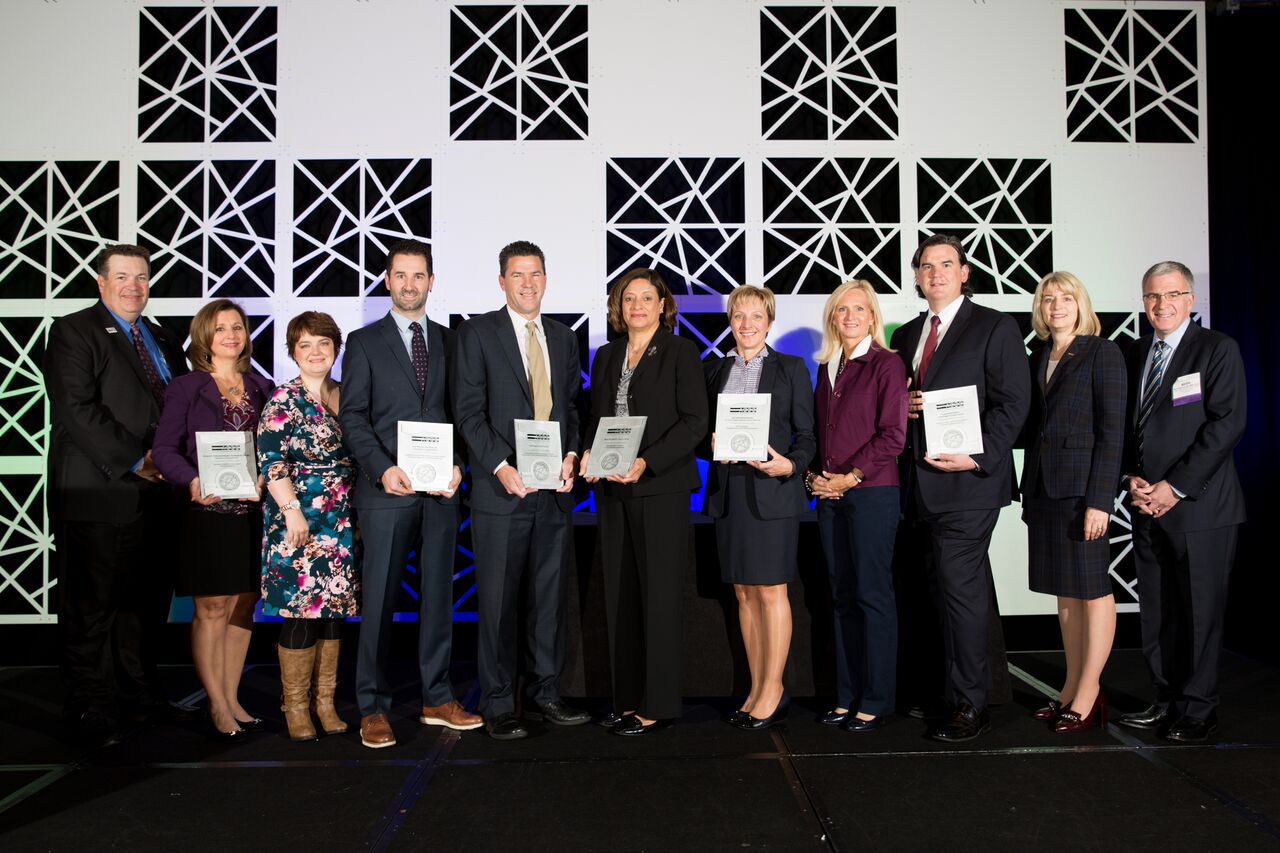
To improve patient-centered care delivery, oncology needs to bridge existing healthcare siloes. This was the message in Anabella Aspiras’ conceptual talk on “Bringing the Cancer Moonshot Down to Earth” and the real-world experience described by ACCC 2016 Innovator Award winner Cone Health System, which described how to use data to identify “hot spotter” patients, assess gaps in care, and then connect across disciplines to improve care.

Connect with Existing Resources & Partnering Opportunities.

Multiple presenters focused on ways to connect and engage with community partners and resources to benefit the communities they serve. For example, Amy Montgomery and Robin Hearne, RN, from 2016 ACCC Innovator Award winner Outer Banks Hospital described steps to engage their county health department and school district leaders as strategic partners in a multi-faceted educational campaign that led to improved HPV vaccination rates for adolescents in their community.

Communicate. Communicate. Communicate.

It’s important to look for opportunities to improve communication not just outside the walls of the cancer program with primary care providers and other specialists, but within all members of the cancer care team. Explore strategies to leverage your program’s EHR to streamline information sharing among disciplines and team members.

Recognize the need for training for difficult conversations, not just between providers and patients, but internally among the oncology care team.

One-size-fits all communication does not work for a diverse population of cancer patients. In particular, it’s important to pay attention to opportunities to improve communication with underserved or under-recognized patient populations such as metastatic breast cancer patients and adolescent and young adult patients (AYAs).

Featured speakers addressing gaps in care for AYA patients provided practical suggestions for connecting with these young adults. In her dynamic, down-to-earth talk on “Helping AYAs BE LOUD,” Lauren Lux, LCSW, UNC Lineberger Comprehensive Cancer Center, shared that in communicating with AYAs it’s important to be:

  • authentic
  • flexible
  • compassionate
  • honest
  • willing to get to know the PERSON (who they are, what’s important, what drives them) and not just the PATIENT.

Be Ready for Culture Change.

On the business side, the culture shift to value-based payment reform is already underway.

From the patient perspective, the move is toward more patient-directed care. At the conclusion of Friday’s “Empowering Patients, Engaging Providers” discussion, panelists were asked what patient-centered care might look like in five years.

“I think patients want to get more involved with their biological information,” said ACCC President Jennie R. Crews, MD, MMM, FACP. “I think we’re going to see more patient insistence on ownership of the process.” Providers need to engage with patients as this culture shift is occurring, she said, as patients become more engaged, informed, and connected.

Upcoming blog posts will provider a closer look at takeaways from some key conference sessions. Stay tuned.