ACCC association of cancer care centers
Join/Renew
Login
Join/Renew
Login
Education & Resources
ACCC eXchange LogInSponsored Education from ACCC Corporate PartnersACCC eLearning LogInPresentations & Abstracts
Publications
Oncology IssuesPatient Assistance & Reimbursement GuideTrending Now in Cancer CareBusiness Case Studies for Hiring New Staff
Events
2026 ACCC Leadership SummitAnnual Meeting & Cancer Center Business SummitCapitol Hill DayNational Oncology ConferenceOncology Reimbursement MeetingsOncology State Society Meetings
Policy & Advocacy
ACCC 2026 Policy PrioritiesLetters & StatementsAccess, Payment & Reimbursement ReformWhite Bagging & Brown BaggingAdvocacy ResourcesCancer Moonshot
Membership
Join | RenewWho We AreMembership Types & BenefitsCorporate MembersACCC Member Portal FAQMember Directory
Partners
Oncology State SocietiesPartner OrganizationsCME
News
News ReleasesAdvocacy News ReleasesOncology News
About ACCC
Timeline / 50th Anniversary2025 Impact ReportPresident's ThemeACCC Innovator AwardsACCC FellowsBoard of TrusteesACCC Senior Staff
Breast CancerMetastatic Breast Cancer
Gastrointestinal CancerBiliary Tract CancerColorectal CancerGastric CancerLiver Cancer
Genitourinary CancerBladder CancerProstate CancerRenal Cell Carcinoma
Gynecologic Cancer
Head & Neck Cancer
Hematologic MalignanciesAcute Lymphocytic Leukemia (ALL)Acute Myeloid Leukemia (AML)Chronic Lymphocytic Leukemia (CLL)Mantle Cell Lymphoma (MCL)Multiple Myeloma (MM)Myelodysplastic Syndromes (MDS)
Lung CancerNon-Small Cell Lung Cancer (NSCLC)Small Cell Lung Cancer (SCLC)
Sarcoma
Skin CancerMelanomaNon-Melanoma Skin Cancers (NMSC)
Clinical Practice & TreatmentCancer DiagnosticsCare CoordinationEHR Integration for Biomarker TestingQuality Improvement Collaboration: Integration of Precision Medicine in Community OncologyTreatment
Financial NavigationFAN Boot CampFinancial Advocacy Network (FAN) Resource LibraryPatient Assistance & Reimbursement GuidePrior Authorization
Health Equity & Access3, 2, 1, Go! Practical Solutions for Addressing Cancer Care DisparitiesAppalachian Community Cancer AllianceOncology Advanced PractitionersPersonalizing Care for Patients of All BackgroundsSocial Drivers of Health
Patient-Centered CareAddressing Care Disparities for VeteransAdolescent and Young Adult (AYA)Care Action Plans for People with CancerDermatologic ToxicitiesEmpowering CaregiversGeriatric OncologyHealth LiteracyNutritionOncology PharmacyPatient NavigationPsychosocial Care in OncologyShared Decision-MakingSupportive CareSurvivorship Care
Practice Management & OperationsCancer Program FundamentalsLeadership Sustainment and Engagement VideosOncology Practice Transformation and Integration CenterOncology Team Resiliency
ResearchACCC Community Oncology Research Institute (ACORI)
Technology & InnovationTelehealth & Digital Medicine
ACCCBuzz Blog
CANCER BUZZ Podcast
Oncology Issues
Join/Renew
Login
Breast CancerMetastatic Breast Cancer
Gastrointestinal CancerBiliary Tract CancerColorectal CancerGastric CancerLiver Cancer
Genitourinary CancerBladder CancerProstate CancerRenal Cell Carcinoma
Gynecologic Cancer
Head & Neck Cancer
Hematologic MalignanciesAcute Lymphocytic Leukemia (ALL)Acute Myeloid Leukemia (AML)Chronic Lymphocytic Leukemia (CLL)Mantle Cell Lymphoma (MCL)Multiple Myeloma (MM)Myelodysplastic Syndromes (MDS)
Lung CancerNon-Small Cell Lung Cancer (NSCLC)Small Cell Lung Cancer (SCLC)
Sarcoma
Skin CancerMelanomaNon-Melanoma Skin Cancers (NMSC)
Clinical Practice & TreatmentCancer DiagnosticsCare CoordinationEHR Integration for Biomarker TestingQuality Improvement Collaboration: Integration of Precision Medicine in Community OncologyTreatment
Financial NavigationFAN Boot CampFinancial Advocacy Network (FAN) Resource LibraryPatient Assistance & Reimbursement GuidePrior Authorization
Health Equity & Access3, 2, 1, Go! Practical Solutions for Addressing Cancer Care DisparitiesAppalachian Community Cancer AllianceOncology Advanced PractitionersPersonalizing Care for Patients of All BackgroundsSocial Drivers of Health
Patient-Centered CareAddressing Care Disparities for VeteransAdolescent and Young Adult (AYA)Care Action Plans for People with CancerDermatologic ToxicitiesEmpowering CaregiversGeriatric OncologyHealth LiteracyNutritionOncology PharmacyPatient NavigationPsychosocial Care in OncologyShared Decision-MakingSupportive CareSurvivorship Care
Practice Management & OperationsCancer Program FundamentalsLeadership Sustainment and Engagement VideosOncology Practice Transformation and Integration CenterOncology Team Resiliency
ResearchACCC Community Oncology Research Institute (ACORI)
Technology & InnovationTelehealth & Digital Medicine
ACCCBuzz Blog
CANCER BUZZ Podcast
Oncology Issues
    • Education & Resources
    • Publications
    • Events
    • Policy & Advocacy
    • Membership
    • Partners
    • News
    • About ACCC
ACCC association of cancer care centers
5425 Wisconsin Ave #600, Chevy Chase, MD 20815
Tel: 301.984.9496 Email Us
Contact UsVolunteers
Advertise
Career Center
Terms and Conditions
Privacy Policy
ACCC Rebranding
Copyright © 2026 Association of Cancer Care Centers. All Rights Reserved.
HomeACCCBuzz Blog

Coping With Imposter Syndrome in a Leadership Position

March 12, 2025

Author(s):

Barbara Schmidtman, PhD

In the latest installment of her monthly leadership blog series, Barbara Schmidtman touches on imposter syndrome and provides strategies for leaders in cancer care to combat it.

Coping With Imposter Syndrome in a Leadership Position

Have you ever had the feeling that you simply can’t do something? I recently spoke with a colleague whom I had known years ago—someone I would consider an incredibly successful businessperson who worked in several different industries. In our conversation, he described a plethora of feelings that ranged from being overwhelmed to feeling like he just was not cut out for the work he was doing anymore. It was clear something had affected him. To hear such thoughts from someone who is so successful and respected made me reflect on my own moments of self-doubt and bouts of imposter syndrome.

Oxford’s English dictionary defines imposter syndrome as “the persistent inability to believe that one’s success is deserved or has been legitimately achieved as a result of one’s own efforts or skills.” Often, it will manifest in thoughts such as, “I can’t do this,” “There’s no way this is possible,” or “The people who think I can do this have no idea how unqualified I actually am.” These feelings of self-doubt may creep into our thoughts after receiving a promotion, making a career switch, or trying something unfamiliar or difficult for the first time. Sometimes, these doubts arise in even the most experienced leaders when desired outcomes don’t come to fruition. For example, when you put a lot of energy into improving employee satisfaction, but the new survey results come out and you still haven’t met the mark.

When we have moments like this, it is important to remember a few things. Leaning on your support system, as my colleague did, can restore your objectivity. Sometimes it takes an outsider to remind us of the positive traits we have that enabled us to get to where we are. This can be a friend, significant other, a coworker, or anyone you trust to give you a well-deserved pep talk. Find that person who helps remind you of who you are, what you have achieved, and what you are capable of accomplishing—because they can quiet that insistent voice that says repeatedly, “You can’t do this.”

Another strategy is to spend time reflecting on your successes. For me, when these feelings emerge, I take a moment and think about the ripple effect my actions have had on others. One bad end result or perceived failure does not define my abilities.

But let’s face it, there will be times when a task does exceed our current ability or capacity. As an example, in 2024, I began training for a half-marathon. As I gradually increased my mileage, there were several times when I told myself I couldn’t run that far. Then, to make matters worse, an injury forced me to scale down my participation to “only” running a 10K. I felt defeated. Imposter syndrome was creeping in, and I told myself I wasn’t a runner if I couldn’t do the half-marathon—but then my support system of running friends quickly said, “But you ARE!” They reminded me that just 4 months prior to my injury, I couldn’t even run a 5K. I had improved and I was successful, even though I didn’t meet my goal of completing a half-marathon.

Situations like this don’t take away from our skills or abilities. Perhaps whatever doesn’t match our current ability isn’t a never-ever but is just a not-now. This year I signed up for another half-marathon. My body is much more equipped to run 13.1 miles than it was last year.

In a professional setting, experiencing the not-now can be deflating, especially if you’re an overachiever like me. However, it’s important to remember that our inability to do something does not diminish our value—it simply means our skill set may not be aligned with the specific task at hand. We need to be vulnerable with ourselves and others, to be okay with saying we don’t know how to do something or have never done it before and need some guidance.

In the end, what does self-doubt really mean? That we care. The work we are doing as leaders in cancer care is so meaningful, and we want to do it well. We want to make a positive impact in the lives of others, and for us, failure means we could hurt someone we care about. Let’s remember that despite our self-doubt or feeling like an imposter, we show up anyway—and that’s what matters. So, I leave you with this: keep showing up—for you, your family, your patients, and your community.

In her monthly leadership series, Barbara Schmidtman, PhD, vice president of cancer care operations, at Corewell Health in West Michigan, offers her perspective on addressing workforce-related issues through effective leadership practices. Find all her posts in this blog series on the ACCC website.
Related Content

#ACCCNOC: Igniting Innovation, Operationalizing CAR T and Bispecifics, and Whole-Person Support ACCCBuzz Blog

#ACCCNOC: Igniting Innovation, Operationalizing CAR T and Bispecifics, and Whole-Person Support

Rachel Radwan

October 23, 2026

#ACCCNOC: The Psychosocial Oncology Professionals Symposium, the ACCC Presidential Address, and the 2026 ACCC Innovators ACCCBuzz Blog

#ACCCNOC: The Psychosocial Oncology Professionals Symposium, the ACCC Presidential Address, and the 2026 ACCC Innovators

Jenna Pierson

October 22, 2026

Upcoming Events

ACCC Oncology Reimbursement Meeting | Reno

ACCC Oncology Reimbursement Meeting | Reno

In Person November 4, 2026 at 8:00 AM PST255 North Virginia Street, Reno, NV, USAWhitney Peak Hotel Reno, Tapestry Collection by Hilton,
Register Now!
ACCC Oncology Reimbursement Meeting | Providence

ACCC Oncology Reimbursement Meeting | Providence

In Person November 10, 2026 at 8:00 AM EST5 Avenue of the Arts, Providence, RI, USARenaissance Providence Downtown Hotel,
Register Now!
Advertisement
Advertisement

Trending Now on
ACCCBuzz Blog

#ACCCNOC: Igniting Innovation, Operationalizing CAR T and Bispecifics, and Whole-Person Support

#ACCCNOC: Igniting Innovation, Operationalizing CAR T and Bispecifics, and Whole-Person Support

Day two of the 43rd National Oncology Conference featured lively panel discussions on operationalizing CAR T-cell therapy and bispecific antibodies, building sustainable supportive care services, expanding access amid rising patient volumes, as well as presentations from the six 2026 ACCC Innovator Award Winners.

#ACCCNOC: The Psychosocial Oncology Professionals Symposium, the ACCC Presidential Address, and the 2026 ACCC Innovators

#ACCCNOC: The Psychosocial Oncology Professionals Symposium, the ACCC Presidential Address, and the 2026 ACCC Innovators

Day one of ACCC’s 43rd National Oncology Conference featured a national look at financial advocacy, the Psychosocial Oncology Professionals Symposium, announcement of the President’s Theme from 2026-2027 ACCC President Douglas Flora, MD, LSSBB, FACCC, and recognition of the 2026 ACCC Innovators.

Highlights From Volume 41, Number 5 Oncology IssuesACCCBuzz Blog

Highlights From Volume 41, Number 5 Oncology Issues

Jenna Pierson

October 19, 2026

Barriers, Best Practices, and Policy Solutions: NCCN Cancer Screening and Prevention SummitACCCBuzz Blog

Barriers, Best Practices, and Policy Solutions: NCCN Cancer Screening and Prevention Summit

Rachel Radwan; Jenna Pierson

October 16, 2026

NCCN Policy Summit: Strategies to Shift the Paradigm in Cancer Screening and PreventionACCCBuzz Blog

NCCN Policy Summit: Strategies to Shift the Paradigm in Cancer Screening and Prevention

Rachel Radwan

October 16, 2026

Care Close to Home: How APPs and AHPs Improve Care Across the American Oncology NetworkACCCBuzz Blog

Care Close to Home: How APPs and AHPs Improve Care Across the American Oncology Network

October 15, 2026

Bringing Tumor Treating Fields to Practice: Lessons From Three Cancer ProgramsACCCBuzz Blog

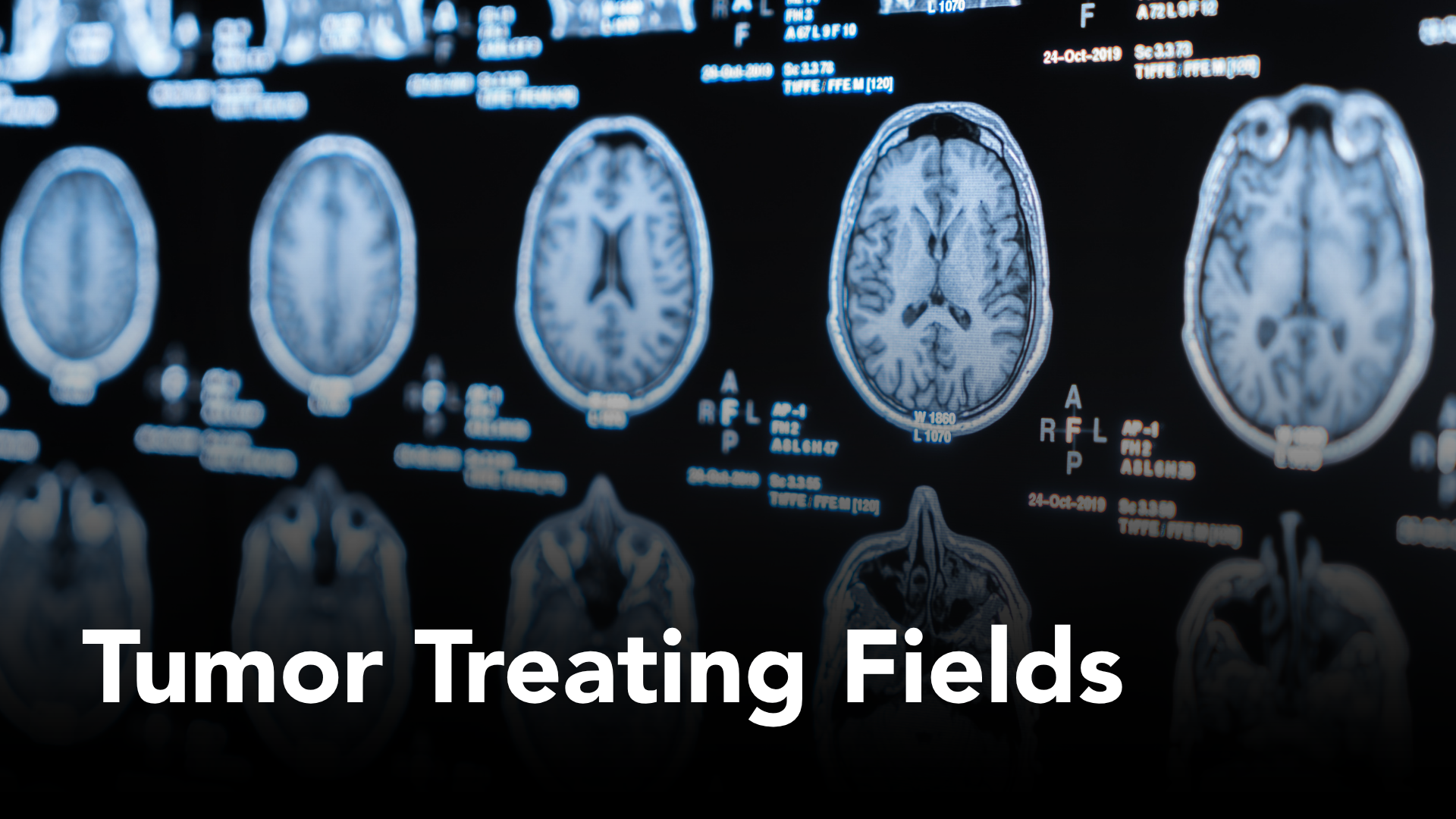
Bringing Tumor Treating Fields to Practice: Lessons From Three Cancer Programs

Stephen Willis, PhD

October 14, 2026

Education, Access, Efficiency, and Healing: Reimagining Comprehensive Breast Cancer CareACCCBuzz Blog

Education, Access, Efficiency, and Healing: Reimagining Comprehensive Breast Cancer Care

Jenna Pierson

October 13, 2026

Highlights From Volume 41, Number 5 Oncology Issues

Highlights From Volume 41, Number 5 Oncology Issues

From comprehensive genetics education for nurses to a risk tool that identifies the patients who are most likely to miss their mammography appointment, the latest Oncology Issues identifies barriers to care and spotlights meaningful initiatives to mitigate them.

Barriers, Best Practices, and Policy Solutions: NCCN Cancer Screening and Prevention Summit

Barriers, Best Practices, and Policy Solutions: NCCN Cancer Screening and Prevention Summit

On Day 2 of the 2026 NCCN Fall Policy Summit, speakers and panelists discussed the greatest operational hurdles preventing personalized cancer screening, offered proven best practices in five real-world case studies, and explored policy solutions to modernize screening systems.

View All ACCCBuzz Blogs

Recently Heard on
CANCER BUZZ Podcast

Not a Revolution, an Evolution: AI and the Future of Cancer Care – [Video Podcast] Ep. 67

The Financial Reality of Bispecific Antibodies: What It Takes to Build and Sustain a Program - Podcast [Ep. 243]

Bringing CAR T-Cell Therapy to the Community Setting - Mini Podcast [Ep. 242]

Embedding Local Expertise in Rural Cancer Prevention - Podcast [Ep. 241]

View All Podcasts

Latest from Oncology Issues

October 2026
October 2026
August 2026
June 2026
April 2026
February 2026
View All Oncology Issues

Join the Conversation

ACCC eXchange Digital Banner
Login