ACCC association of cancer care centers
Join/Renew
Login
Join/Renew
Login
Education & Resources
ACCC eXchange LogInCorporate Member Sponsored ResourcesPresentations & AbstractsACCC Connect eLearning LogIn
Publications
Oncology IssuesPatient Assistance & Reimbursement GuideTrending Now in Cancer CareBusiness Case Studies for Hiring New Staff
Events
2026 ACCC Leadership SummitAnnual Meeting & Cancer Center Business SummitCapitol Hill DayNational Oncology ConferenceOncology Reimbursement MeetingsOncology State Society Meetings
Policy & Advocacy
2024 Policy Wrap-Up and ACCC 2025 Policy PrioritiesLetters & StatementsAccess, Payment & Reimbursement ReformWhite Bagging & Brown BaggingAdvocacy ResourcesCancer Moonshot
Membership
Join | RenewWho We AreMembership Types & BenefitsCorporate MembersACCC Member Portal FAQMember Directory
Partners
Oncology State SocietiesPartner OrganizationsCME
News
News ReleasesAdvocacy News ReleasesOncology News
About ACCC
Timeline / 50th Anniversary2025 Impact ReportPresident's ThemeACCC Innovator AwardsACCC FellowsBoard of TrusteesACCC Senior Staff
Breast CancerMetastatic Breast Cancer
Gastrointestinal CancerBiliary Tract CancerColorectal CancerGastric CancerLiver Cancer
Genitourinary CancerBladder CancerProstate CancerRenal Cell Carcinoma
Gynecologic CancerOvarian Cancer
Head & Neck Cancer
Hematologic MalignanciesAcute Lymphocytic Leukemia (ALL)Acute Myeloid Leukemia (AML)Chronic Lymphocytic Leukemia (CLL)Mantle Cell Lymphoma (MCL)Multiple Myeloma (MM)Myelodysplastic Syndromes (MDS)
Lung CancerNon-Small Cell Lung Cancer (NSCLC)Small Cell Lung Cancer (SCLC)
Sarcoma
Skin CancerMelanomaNon-Melanoma Skin Cancers (NMSC)
Clinical Practice & TreatmentCancer DiagnosticsCare CoordinationEHR Integration for Biomarker TestingQuality Improvement Collaboration: Integration of Precision Medicine in Community OncologyTreatment
Financial NavigationFAN Boot CampFinancial Advocacy Network (FAN) Resource LibraryPatient Assistance & Reimbursement GuidePrior Authorization
Health Equity & Access3, 2, 1, Go! Practical Solutions for Addressing Cancer Care DisparitiesAppalachian Community Cancer AllianceOncology Advanced PractitionersPersonalizing Care for Patients of All BackgroundsSocial Drivers of Health
Patient-Centered CareAddressing Care Disparities for VeteransAdolescent and Young Adult (AYA)Care Action Plans for People with CancerDermatologic ToxicitiesEmpowering CaregiversGeriatric OncologyHealth LiteracyNutritionOncology PharmacyPatient NavigationPsychosocial Care in OncologyShared Decision-MakingSupportive CareSurvivorship Care
Practice Management & OperationsCancer Program FundamentalsLeadership Sustainment and Engagement VideosOncology Practice Transformation and Integration CenterOncology Team Resiliency
ResearchACCC Community Oncology Research Institute (ACORI)
Technology & InnovationTelehealth & Digital Medicine
ACCCBuzz Blog
CANCER BUZZ Podcast
Oncology Issues
Join/Renew
Login
Breast CancerMetastatic Breast Cancer
Gastrointestinal CancerBiliary Tract CancerColorectal CancerGastric CancerLiver Cancer
Genitourinary CancerBladder CancerProstate CancerRenal Cell Carcinoma
Gynecologic CancerOvarian Cancer
Head & Neck Cancer
Hematologic MalignanciesAcute Lymphocytic Leukemia (ALL)Acute Myeloid Leukemia (AML)Chronic Lymphocytic Leukemia (CLL)Mantle Cell Lymphoma (MCL)Multiple Myeloma (MM)Myelodysplastic Syndromes (MDS)
Lung CancerNon-Small Cell Lung Cancer (NSCLC)Small Cell Lung Cancer (SCLC)
Sarcoma
Skin CancerMelanomaNon-Melanoma Skin Cancers (NMSC)
Clinical Practice & TreatmentCancer DiagnosticsCare CoordinationEHR Integration for Biomarker TestingQuality Improvement Collaboration: Integration of Precision Medicine in Community OncologyTreatment
Financial NavigationFAN Boot CampFinancial Advocacy Network (FAN) Resource LibraryPatient Assistance & Reimbursement GuidePrior Authorization
Health Equity & Access3, 2, 1, Go! Practical Solutions for Addressing Cancer Care DisparitiesAppalachian Community Cancer AllianceOncology Advanced PractitionersPersonalizing Care for Patients of All BackgroundsSocial Drivers of Health
Patient-Centered CareAddressing Care Disparities for VeteransAdolescent and Young Adult (AYA)Care Action Plans for People with CancerDermatologic ToxicitiesEmpowering CaregiversGeriatric OncologyHealth LiteracyNutritionOncology PharmacyPatient NavigationPsychosocial Care in OncologyShared Decision-MakingSupportive CareSurvivorship Care
Practice Management & OperationsCancer Program FundamentalsLeadership Sustainment and Engagement VideosOncology Practice Transformation and Integration CenterOncology Team Resiliency
ResearchACCC Community Oncology Research Institute (ACORI)
Technology & InnovationTelehealth & Digital Medicine
ACCCBuzz Blog
CANCER BUZZ Podcast
Oncology Issues
    • Education & Resources
    • Publications
    • Events
    • Policy & Advocacy
    • Membership
    • Partners
    • News
    • About ACCC
ACCC association of cancer care centers
1801 Research Boulevard, Suite 400, Rockville, MD 20850
Tel: 301.984.9496 Fax: 301.770.1949 Email Us
Contact UsVolunteers
Advertise
Career Center
Terms and Conditions
Privacy Policy
ACCC Rebranding
Copyright © 2026 Association of Cancer Care Centers. All Rights Reserved.
HomeEducation & ResourcesACCCBuzz Blogs

Learning to Die: Real-life Stories of Ordinary People With Extraordinary Bravery

October 20, 2020

Learning to Die: Real-life Stories of Ordinary People With Extraordinary Bravery

Between Life and Death is a collection of real-life stories of ordinary people who displayed extraordinary bravery as they approached the end of their lives. By acknowledging death as a necessary transition rather than an unknown to be feared and avoided, these patients embraced their end days by living each day they had left to the fullest. The patients profiled in this book provide guidance not only to other patients with cancer, but also to oncologists seeking insight into how best to help their patients at the end stages of cancer.

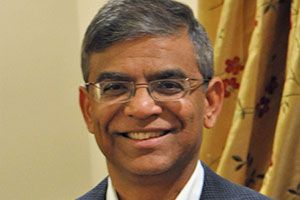
The book’s author, Kashyap Patel, MD—CEO of Carolina Blood and Cancer Care Associates in South Carolina, vice president of the Community Oncology Alliance, member of the ACCC Board of Trustees, and chair of the ACCC Clinical Affairs Committee—says he wrote Between Life and Death to capture his 30-year journey as a practicing oncologist in three countries and across 11 cities.

Dr. Patel explains that the purpose of his book is a response to the struggle he and his and his colleagues often face when treating patients for whom a cure is no longer an option. He has come to believe that great harm has been done to patients and their loved ones by framing cancer, the suffering it causes, and its frequent termination in death as a battle to be won or lost. This dominant paradigm, explains Dr. Patel, has led to the inevitable conclusion that cancer creates winners and losers, and death is an enemy to be battled until the bitter end.

Dr. Patel explains in his book that while death is indeed inevitable, fear of it is not. “While most published literature focuses on cancer as a battle and celebrates stories of cancer survivors, this compilation highlights the altruistic and humanistic aspect of the struggle against cancer,” he says. “My book reveals that the true reason death causes so much insecurity is our fear of it.”

Dr. Patel’s booknarrates the stories of individual patients with cancer who have chosen to approach death as a transition on a longer journey rather than as a terminus to be feared. “We have the capacity of choosing how we react to the fear and challenges death brings,” explains Dr. Patel. In Between Life and Death, he shares his conversations with several extraordinary patients about their attitudes toward death as they approach the end of their lives. Through those conversations, Dr. Patel seeks answers to questions such as: How do people look at death? What impact does their fear of death have on their journey? How can we best spend the end of our lives with our loved ones? Is there an afterlife or a soul?

Below, we talk to Dr. Patel about the origins and aims of his project.

ACCCBuzz: Are oncologists taught how to help patients at the end of life?

Dr. Patel: In all the places I’ve practiced across three countries, I’ve seen very little training in death and dying for physicians. In U.S. medical schools, there still is no curriculum. Less than 10 percent of U.S. medical schools offer any classes in death and dying. Students may have 10 hours total in their five years of medical school, which is hardly sufficient.

Why is this? It may be because physicians have a sense of guilt about “failing” their patients who have not gotten well. Patients may pick up on that and feel that they are disappointing their physicians. It's like the relationship been a coach and his players. Even though the players may know that they are losing the game, they do not want to disappoint their coach.

But we have an obligation as physicians to help patients make their transition. It’s a comfort for patients when they realize that death is an inevitable part of their life journey. This book is a telling of stories about life and death from the point of view of patients who have encountered their own mortality. It's a very complex issue, and the more we shy away from talking about it, the more complex the problem becomes.

ACCCBuzz: What do you perceive as the most problematic ways oncology deals with death and dying?

Dr. Patel: We are consistently taught that our goal is to stop death through any means possible. When we develop new medications for cancer, we talk about them as a new way to defeat death. So, when a patient improves or recovers, we brag about stopping death. When death becomes inevitable, we feel like we have failed. Little attention is given to end-of-life care, as we have been programmed to believe that when our patients reach that stage, there is little we can do.

A big problem is that our medical system does not give patients adequate time to prepare to die. The average length of stay in hospice is three days, which is considered adequate. I think we should enable patients to spend six to nine months in hospice so they have time to come to a peaceful end of their lives. We celebrate many things in life: weddings, birthdays, major milestones. The one thing we don't celebrate is saying goodbye to our loved ones by enabling them to transition to the unknown.

ACCCBuzz: What roles should members of the cancer care team outside of physicians (e.g., nurses, social workers) play when working with terminal patients?

Dr. Patel: I spend approximately 20 minutes with my patients in the consulting room, but my infusion nurses might spend six hours at a time with them. Nurses and other caregivers in the office can take that time to engage patients in conversation and share examples of how people can have excellent quality of life, even if they decide not to receive curative treatment. They can explain to them how their relationships with their family members continue. Together, we are a team caring for our patients’ needs.

ACCCBuzz: What do you most want people to take away from this book?

Dr. Patel: We need to better prepare our patients for death. When I see advanced patients for their first consultation, I explain to them that palliative care will be an option at some stage, that, at some point, we'll have to sit down and talk about changing gears from trying to prolong life to focusing on quality of life. That sets the expectation that the aim is not a cure, that the aim is to extend quality of life. At some point, it will become necessary to make a compromise between quality and quantity and perhaps focus on quality of life and prepare for the journal beyond this life. I want this book to serve as a guide to teach all providers across all tiers how to effectively communicate with patients about end-of-life care.

ACCCBuzz: I’ve heard that you intend to donate the royalties from this book. Can you talk about the charity you selected?

Dr. Patel: I am giving it to a foundation that helps the marginalized, orphaned children of India learn acting skills. I have a friend in the theatre in Mumbai, and I donated a small amount of money to this foundation several years back. Later, my friend invited me to see the impact of my donation. I saw a child perform, and he was dressed in rags because he had no money. He told me afterward that he saw water come out of a faucet for the first time that day. In the slums, they have shantytowns, and there is no plumbing.

I was moved. In general, these kids have no future other than begging on the street. But one child who was trained there did actually go on to Hollywood to act professionally. That is an inspiration for so many, and I want to help other children believe they could also do that. It gives them some sense of hope. All proceeds from this book will support this foundation for orphaned children in Mumbai who may have no hope of living beyond the slums they grew up in. I will also match all proceeds with my own personal savings.

Additional ACCC resources:

  • ACCC’s Shared Decision-Making initiative provides resources to help encourage and smooth patient-provider communication so patients are fully informed and are active participants in their treatment decisions. A series of recorded webinars and links to various resources can help give providers the tools they need to make their patients partners in their own care.
  • The Palliative Care section of ACCC’s Cancer Program Fundamentals webpage includes multiple types of resources for palliative care professionals, including accreditation and certification information, patient guidelines, and case studies.
  • As part of the ongoing education project, Multidisciplinary Approaches to Caring for Geriatric Patients with Cancer, the webinar Early Introduction of Palliative Care and Best Practices for End of Life specifically addresses communication challenges with patients and families, goal-setting, shared decision-making, quality-of-life conversations, and end-of-life care.
  • ACCC’s curated list of resources for caring for geriatric patients with cancer contains links to a variety of resources, including ones that help determine patient goals and enable end-of-life conversations.

Related Content

Confronting a Lethal Cancer: Duke Launches Multidisciplinary Pancreatic Cancer Center for Earlier Detection and Better OutcomesACCCBuzz Blog

Confronting a Lethal Cancer: Duke Launches Multidisciplinary Pancreatic Cancer Center for Earlier Detection and Better Outcomes

Rachel Radwan

March 25, 2026

From Hospital to Home: A Solution for Proactive Symptom Monitoring and Precise Care ACCCBuzz Blog

From Hospital to Home: A Solution for Proactive Symptom Monitoring and Precise Care

Rachel Radwan

March 23, 2026

A Candid Conversation About the Power of Early Palliative CareACCCBuzz Blog

A Candid Conversation About the Power of Early Palliative Care

Monique J. Marino

March 19, 2026

Rare but Real: Lessons From Providers Treating BPDCN and MCLACCCBuzz Blog

Rare but Real: Lessons From Providers Treating BPDCN and MCL

Rachel Radwan

February 27, 2026

Highlights From Volume 41, Number 1 Oncology IssuesACCCBuzz Blog

Highlights From Volume 41, Number 1 Oncology Issues

Gabrielle Stearns

February 18, 2026

Implementing a Structured, Scalable Geriatric Oncology ProgramOncology Issue

Implementing a Structured, Scalable Geriatric Oncology Program

Ramy Sedhom, MD; Julianna Ani, MPH

February 16, 2026

Recognizing Innovation in Cancer PreventionACCCBuzz Blog

Recognizing Innovation in Cancer Prevention

Gabrielle Stearns

February 12, 2026

3 Surprising Truths About Leading Through Change: Strategies for Oncology Leaders to Thrive in the AI EraACCCBuzz Blog

3 Surprising Truths About Leading Through Change: Strategies for Oncology Leaders to Thrive in the AI Era

Michelle Rozen, PhD

February 5, 2026

Upcoming Events

ACCC Leadership Summit
Oncology

ACCC Leadership Summit

In Person Meeting & NetworkingApril 16, 2026 at 8:00 AM EDT
Express Interest Now!
ACCC Oncology Reimbursement Meeting | Charleston
Oncology

ACCC Oncology Reimbursement Meeting | Charleston

In Person Meeting & NetworkingMay 6, 2026 at 8:00 AM EDT560 King Street, Charleston, SC, USAHyatt Place + Hyatt House Charleston - Historic District, Charleston
Register Now!
ACCC Oncology Reimbursement Meeting | St. Louis
Oncology

ACCC Oncology Reimbursement Meeting | St. Louis

In Person Meeting & NetworkingMay 13, 2026 at 8:00 AM CDT1335 South Lindbergh Boulevard, St. Louis, MO, USAHilton St. Louis Frontenac, St. Louis
Register Now!
ACCC 43rd National Oncology Conference
Oncology

ACCC 43rd National Oncology Conference

In Person Conference & ConventionOctober 21, 2026 at 8:00 AM MDT450 Summer St, Boston, MA 02210Omni Boston Hotel at the Seaport, Boston
Register Now!
HSCO 2026 March Dinner Symposium
Oncology

HSCO 2026 March Dinner Symposium

In Person Conference & ConventionMarch 25, 2026 at 5:30 PM HST3660 Waialae Ave, Honolulu, HI 96816, USA3660 On The Rise, Honolulu
Register Now!
 LOS 2026 Advocacy Summit
Oncology

LOS 2026 Advocacy Summit

In Person Conference & ConventionApril 1, 2026 at 5:00 PM CDT355 North Boulevard, Baton Rouge, Louisiana, USACity Club of Baton Rouge, Baton Rouge
Register Now!
COS 2026 Dinner Symposium - Grand Junction
Oncology

COS 2026 Dinner Symposium - Grand Junction

In Person Conference & ConventionApril 9, 2026 at 6:00 PM MDT840 Kennedy Avenue, Grand Junction, CO, USADevil's Kitchen, Grand Junction
Register Now!
TOPS 2026 Annual Conference
Oncology

TOPS 2026 Annual Conference

In Person Conference & ConventionApril 11, 2026 at 7:00 AM CDT201 8th Avenue South, Nashville, TN 37203, USAJW Marriott Nashville, Nashville
Register Now!
MSCO 2026 Spring Conference
Oncology

MSCO 2026 Spring Conference

In Person Conference & ConventionApril 15, 2026 at 5:00 PM CDTPark Pl Blvd, St. Louis Park, MN, USADoubleTree by Hilton Hotel Minneapolis - Park Place, St. Louis Park
Register Now!
KaSCO 2026 Spring Dinner Symposium
Oncology

KaSCO 2026 Spring Dinner Symposium

In Person Conference & ConventionApril 15, 2026 at 6:00 PM CDT101 W 22nd St, Kansas City, MO, USALidia's Kansas City, Kansas City
Register Now!
WVOS 2026 Spring Conference
Oncology

WVOS 2026 Spring Conference

In Person Conference & ConventionApril 16, 2026 at 8:00 AM EDT200 Lee Street East, Charleston, WV, USACharleston Marriott Town Center, Charleston
Register Now!
Advertisement
Advertisement

Trending Now on
ACCCBuzz Blog

Confronting a Lethal Cancer: Duke Launches Multidisciplinary Pancreatic Cancer Center for Earlier Detection and Better Outcomes

Confronting a Lethal Cancer: Duke Launches Multidisciplinary Pancreatic Cancer Center for Earlier Detection and Better Outcomes

In an effort to improve outcomes and deliver the highest quality of care to patients with pancreatic cancer, Duke Cancer Institute launched a multidisciplinary Pancreatic Cancer Center that prioritizes thorough surveillance of high-risk patients, stays at the forefront of clinical trials, and considers the role of comorbidities.

From Hospital to Home: A Solution for Proactive Symptom Monitoring and Precise Care

From Hospital to Home: A Solution for Proactive Symptom Monitoring and Precise Care

Electronic patient-reported outcomes (ePROs) can address limited visibility into patients' health and well-being between visits. Yet, many solutions remain generic in their workflows and mainly help capture adverse events, without helping care teams proactively manage or prevent them from worsening. Cureety offers a new kind of ePRO solution, specialized in oncology and designed to make care better quality, more efficient, and more proactive for all patients.

A Candid Conversation About the Power of Early Palliative Care

A Candid Conversation About the Power of Early Palliative Care

In the latest episode of Oncology Unscripted, hosts Deirdre Saulet and Mark Liu sit down with Andrew Ambort, DO, a palliative care consulting physician whose work in reshaping the role of palliative care across oncology helped WellSpan Health win a 2025 ACCC Innovator Award.

Rare but Real: Lessons From Providers Treating BPDCN and MCL

Rare but Real: Lessons From Providers Treating BPDCN and MCL

Patients with rare diseases and their families often feel isolated and overlooked, with many medical questions left unanswered and few people who can empathize with their condition. Rare Disease Day is observed globally each year to bring awareness for diseases and the people behind them by promoting the challenges these rare medical journeys pose for patients and caregivers.

View All ACCCBuzz Blogs

Recently Heard on
CANCER BUZZ Podcast

Transforming Palliative Care in Oncology – [Video Podcast] Ep. 227

Streamlining Access to TIL Cell Therapy for Melanoma

Policy in Practice: Change Hits the Clinic – [Podcast] Ep. 225

Addressing Psychosocial Distress With Psychedelic-Inspired Therapies – [Podcast] Ep. 224

View All Podcasts

Latest from Oncology Issues

February 2026
February 2026
December 2025
October 2025
August 2025
June 2025
View All Oncology Issues

Join the Conversation

ACCC eXchange Digital Banner
Login