
ACCC association of cancer care centers
Join/Renew
Login
Join/Renew
Login
Education & Resources
ACCC eXchange LogInCorporate Member Sponsored ResourcesPresentations & AbstractsACCC Connect eLearning LogIn
Publications
Oncology IssuesPatient Assistance & Reimbursement GuideTrending Now in Cancer CareBusiness Case Studies for Hiring New Staff
Events
2026 ACCC Leadership SummitAnnual Meeting & Cancer Center Business SummitCapitol Hill DayNational Oncology ConferenceOncology Reimbursement MeetingsOncology State Society Meetings
Policy & Advocacy
2024 Policy Wrap-Up and ACCC 2025 Policy PrioritiesLetters & StatementsAccess, Payment & Reimbursement ReformWhite Bagging & Brown BaggingAdvocacy ResourcesCancer Moonshot
Membership
Join | RenewWho We AreMembership Types & BenefitsCorporate MembersACCC Member Portal FAQMember Directory
Partners
Oncology State SocietiesPartner OrganizationsCME
News
News ReleasesAdvocacy News ReleasesOncology News
About ACCC
Timeline / 50th Anniversary2025 Impact ReportPresident's ThemeACCC Innovator AwardsACCC FellowsBoard of TrusteesACCC Senior Staff
Breast CancerMetastatic Breast Cancer
Gastrointestinal CancerBiliary Tract CancerColorectal CancerGastric CancerLiver Cancer
Genitourinary CancerBladder CancerProstate CancerRenal Cell Carcinoma
Gynecologic CancerOvarian Cancer
Head & Neck Cancer
Hematologic MalignanciesAcute Lymphocytic Leukemia (ALL)Acute Myeloid Leukemia (AML)Chronic Lymphocytic Leukemia (CLL)Mantle Cell Lymphoma (MCL)Multiple Myeloma (MM)Myelodysplastic Syndromes (MDS)
Lung CancerNon-Small Cell Lung Cancer (NSCLC)Small Cell Lung Cancer (SCLC)
Sarcoma
Skin CancerMelanomaNon-Melanoma Skin Cancers (NMSC)
Clinical Practice & TreatmentCancer DiagnosticsCare CoordinationEHR Integration for Biomarker TestingQuality Improvement Collaboration: Integration of Precision Medicine in Community OncologyTreatment
Financial NavigationFAN Boot CampFinancial Advocacy Network (FAN) Resource LibraryPatient Assistance & Reimbursement GuidePrior Authorization
Health Equity & Access3, 2, 1, Go! Practical Solutions for Addressing Cancer Care DisparitiesAppalachian Community Cancer AllianceOncology Advanced PractitionersPersonalizing Care for Patients of All BackgroundsSocial Drivers of Health
Patient-Centered CareAddressing Care Disparities for VeteransAdolescent and Young Adult (AYA)Care Action Plans for People with CancerDermatologic ToxicitiesEmpowering CaregiversGeriatric OncologyHealth LiteracyNutritionOncology PharmacyPatient NavigationPsychosocial Care in OncologyShared Decision-MakingSupportive CareSurvivorship Care
Practice Management & OperationsCancer Program FundamentalsLeadership Sustainment and Engagement VideosOncology Practice Transformation and Integration CenterOncology Team Resiliency
ResearchACCC Community Oncology Research Institute (ACORI)
Technology & InnovationTelehealth & Digital Medicine
ACCCBuzz Blog
CANCER BUZZ Podcast
Oncology Issues
Join/Renew
Login
Breast CancerMetastatic Breast Cancer
Gastrointestinal CancerBiliary Tract CancerColorectal CancerGastric CancerLiver Cancer
Genitourinary CancerBladder CancerProstate CancerRenal Cell Carcinoma
Gynecologic CancerOvarian Cancer
Head & Neck Cancer
Hematologic MalignanciesAcute Lymphocytic Leukemia (ALL)Acute Myeloid Leukemia (AML)Chronic Lymphocytic Leukemia (CLL)Mantle Cell Lymphoma (MCL)Multiple Myeloma (MM)Myelodysplastic Syndromes (MDS)
Lung CancerNon-Small Cell Lung Cancer (NSCLC)Small Cell Lung Cancer (SCLC)
Sarcoma
Skin CancerMelanomaNon-Melanoma Skin Cancers (NMSC)
Clinical Practice & TreatmentCancer DiagnosticsCare CoordinationEHR Integration for Biomarker TestingQuality Improvement Collaboration: Integration of Precision Medicine in Community OncologyTreatment
Financial NavigationFAN Boot CampFinancial Advocacy Network (FAN) Resource LibraryPatient Assistance & Reimbursement GuidePrior Authorization
Health Equity & Access3, 2, 1, Go! Practical Solutions for Addressing Cancer Care DisparitiesAppalachian Community Cancer AllianceOncology Advanced PractitionersPersonalizing Care for Patients of All BackgroundsSocial Drivers of Health
Patient-Centered CareAddressing Care Disparities for VeteransAdolescent and Young Adult (AYA)Care Action Plans for People with CancerDermatologic ToxicitiesEmpowering CaregiversGeriatric OncologyHealth LiteracyNutritionOncology PharmacyPatient NavigationPsychosocial Care in OncologyShared Decision-MakingSupportive CareSurvivorship Care
Practice Management & OperationsCancer Program FundamentalsLeadership Sustainment and Engagement VideosOncology Practice Transformation and Integration CenterOncology Team Resiliency
ResearchACCC Community Oncology Research Institute (ACORI)
Technology & InnovationTelehealth & Digital Medicine
ACCCBuzz Blog
CANCER BUZZ Podcast
Oncology Issues
    • Education & Resources
    • Publications
    • Events
    • Policy & Advocacy
    • Membership
    • Partners
    • News
    • About ACCC
ACCC association of cancer care centers
1801 Research Boulevard, Suite 400, Rockville, MD 20850
Tel: 301.984.9496 Email Us
Contact UsVolunteers
Advertise
Career Center
Terms and Conditions
Privacy Policy
ACCC Rebranding
Copyright © 2026 Association of Cancer Care Centers. All Rights Reserved.
Home / Education And Resources / Cancer Types / Lung / NSCLC / Changing Care Patterns For Patients With Early Stage NSCLC
Advanced NSCLC Biomarker Testing
  • Changing Care Patterns for Patients with Early-Stage NSCLC
    • Steering Committee
  • Evolving Biomarkers in NSCLC
  • Fostering Excellence in Care and Outcomes in Patients with Stage III and IV NSCLC
  • Operational Pathways for Molecular Testing in NSCLC

CHANGING CARE PATTERNS FOR PATIENTS WITH EARLY-STAGE NSCLC

Non-small cell lung cancer is the most common type of lung cancer, accounting for 85 percent of all lung cancer diagnoses. To help multidisciplinary cancer care teams better understand and address existing barriers to care, ACCC has embarked on a national initiative to identify and provide guidance on key issues related to the care of patients diagnosed with early-stage IB/IIIA non-small cell lung cancer across different practice settings.

New research suggests there may be a potential role for epidermal growth factor receptor (EGFR) tyrosine kinase inhibitors (TKIs) in patients with early-stage, resected EGFR mutation-positive non-small cell lung cancer. However, biomarker testing is not currently the standard of care for this patient population. In addition to other ACCC initiatives that address disparities in cancer care, this project will address inequities surrounding care for patients with early-stage non-small cell lung cancer by evaluating the utilization biomarker testing and treatment of patients and identifying ideal care recommendations for this population amid rapidly advancing clinical data.

It will also focus on the nuances of EGFR mutations, the utilization of biomarker testing to identify individual patient eligibility for potential EFGR TKI adjuvant therapy, and the development of efficient, guideline-concordant biomarker testing pathways for this patient population.

Phase one of the project, currently underway, focuses on garnering more insight into the barriers and challenges that can potentially influence the adoption of high-quality care for patients diagnosed with early-stage non-small cell lung cancer. The project will also incorporate recommendations for the adoption of standard resectability criteria that are replicable and scalable.

For more information on this project, please contact the ACCC Provider Education department.

Webinars

Improving Care in Early-Stage NSCLC: Optimizing Biomarker Testing, Treatment Planning, and Care Coordination

Improving Care in Early-Stage NSCLC: Optimizing Biomarker Testing, Treatment Planning, and Care Coordination

As precision medicine continues to evolve, understanding the role of biomarker testing in guiding treatment decisions and optimizing treatment strategies through patient navigation and care coordination is critical for providing patient-centered care. This webinar will navigate the complexities of early-stage non-small cell lung cancer (NSCLC) care, offering health care professionals valuable insights on how to better coordinate care and integrate emerging therapies.

Watch Now
Recent Advances in Care Management for Patients With Early-Stage Non-Small Cell Lung Cancer

Recent Advances in Care Management for Patients With Early-Stage Non-Small Cell Lung Cancer

In this one-hour event, an expert panel of oncology care professionals discuss ways to identify ideal care recommendations for individuals with Stage IB-IIIA non-small cell lung cancer (NSCLC) amid rapidly advancing clinical data. Explore emerging trends, including considerations for neoadjuvant and/or adjuvant treatment, radiation in patients with early-stage NSCLC, and the role of navigators in care coordination from diagnosis to post-treatment care.
Watch Now

From the ACCCBuzz Blog

World Lung Cancer Day_ACCCBuzz

ACCC Commemorates World Lung Cancer Day—10 Years Strong

August 1, 2022

Communities around the globe recognize August 1 as World Lung Cancer Day—a day to commemorate, educate, and support individuals and families impacted by lung cancer. Read highlights on a few ACCC initiatives that are helping cancer care teams better support their patients with this disease.

Healthy-lung-and-cancer-lung-150x150

ACCC Recognizes Lung Cancer Awareness Month

November 17, 2021

Lung cancer is the leading cause of cancer death and the second-most common cancer detected in both men and women in the U.S. Lung cancer accounts for nearly 25% of all cancer deaths in this country. According to estimates by the American Cancer Society, 235,760 patients will be diagnosed with lung cancer, and 131,880 patients will die of the disease in 2021.
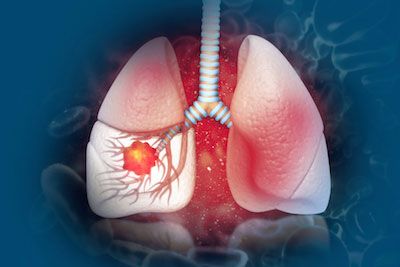
lung-cancer-screening-400x267

ACCC Recognizes World Lung Cancer Day

July 29, 2021

August 1 marks World Lung Cancer Day. Long at the forefront of teaching multidisciplinary cancer care teams about how to best implement new and evolving lung cancer therapies into their programs and practices, ACCC shares several of its current initiatives to promote optimal lung cancer care delivery.

Abstracts and Presentations

A Quality Improvement Initiative to Address Biomarker Testing and Quality of Care Delivery for Early-Stage NSCLC at 3 Cancer Centers in the US

Enhancing Early-Stage NSCLC Care: Streamlining Biomarker Testing and Multidisciplinary Coordination Through Quality Improvement Initiatives

Publications

Overview of Early Stage Non-Small Cell Lung Cancer Survey Results

Overview of Early Stage Non-Small Cell Lung Cancer Survey Results

In this survey of multidisciplinary providers across the US, ACCC assesses the current state of diagnostic, staging, and treatment practices for patients with Stage IB-IIIA non-small cell lung cancer (NSCLC). Read on to learn about the common barriers and potential responses for improving care for patients with early stage NSCLC.

Download
Key Quality Recommendations: Stage IB to IIIA Non-Small Cell Lung Cancer (NSCLC)

Key Quality Recommendations: Stage IB to IIIA Non-Small Cell Lung Cancer (NSCLC)

Learn about a new resource developed by expert stakeholders that incorporates evidence-based guidance on best practice in stage IB/IIIA NSCLC. The resource addresses recommendations in four core components: care coordination and patient education, diagnosis and initial management, treatment planning, and survivorship, and can be used by cancer programs to promote ideal care to patients with stage IB/IIIA NSCLC.

Download