
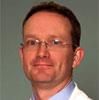
Dr. Faries is a surgical oncologist and the co-director of the Melanoma Program and head of Surgical Oncology at The Angeles Clinic and Research Institute in Los Angeles. He also is the surgical director for Experimental Therapeutics at Cedars-Sinai Medical Center. He received his undergraduate education at Haverford College and completed medical school at Cornell. He completed his residency in general surgery at the University of Pennsylvania and a surgical oncology fellowship at the John Wayne Cancer Institute.
Dr. Faries is principal investigator (PI) for the second Multicenter Selective Lymphadenectomy Trial, an international trial including more than 4,000 subjects. He serves on the American Joint Committee on Cancer (AJCC) Melanoma Staging Committee and the American Society of Clinical Oncology (ASCO)/Society of Surgical Oncology (SSO) Melanoma Guidelines panel and is a member of the editorial board of the Annals of Surgical Oncology. His research focuses on surgical treatment of melanoma and immunotherapy.
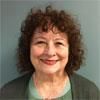
Mary K. Hughes, MS, RN, CNS, CT, has been a clinical nurse specialist in the department of psychiatry at the University of Texas MD Anderson Cancer Center in Houston since 1990, where she sees patients with different types of cancers and focuses on quality-of-life issues including grieving. For several years prior to that she worked as an oncology nurse in a general hospital. Mary has lectured nationally and internationally on quality-of-life issues including the effects of cancer treatment on sexuality.
Mary earned both her bachelor’s and master’s degrees from Texas Woman’s University, and is certified in thanatology through the Association for Death Education and Counseling. She is a recipient of several awards from the Oncology Nursing Society, as well as the Sword of Hope from the American Cancer Society and the Brown Foundation Award from UT MD Anderson Cancer Center. She is a reviewer of abstracts from the Oncology Nursing Society and the American Psychosocial Oncology Society, and has published several articles and book chapters on sexuality and cancer.
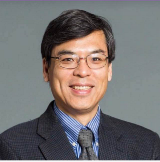
Zujun Li, MD, is currently a clinical associate professor and the medical director of head and neck medical oncology at NYU Langone Health, School of Medicine, New York University in New York, NY.
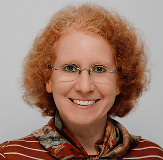
Desiree Ratner, MD, is clinical professor of dermatology at NYU Langone Health, where she specializes in Mohs micrographic surgery, cutaneous oncology, and facial reconstruction. She was director of dermatologic surgery at Columbia University Medical Center for over 15 years, and director of the Comprehensive Skin Cancer Center at Mount Sinai Beth Israel for over five years. Dr. Ratner has served on the board of directors for the American College of Mohs Surgery, the International Transplant Skin Cancer Collaborative, and the Association of Academic Dermatologic Surgeons. She has served as chair of the Sulzberger Institute of the American Academy of Dermatology and is past chair of the Procedural Dermatology section of the Association of Professors of Dermatology. Dr. Ratner is co-editor of the Dermatologic Surgery journal and associate editor for the Journal of the American Academy of Dermatology. She has authored or coauthored more than 100 publications, and has given over 100 presentations at national and international meetings. She has been listed as one Castle Connolly’s “Top Doctors” since 2005, and as one of New York Times “Best Doctors” since 2009.
Dr. Ratner completed her medical training at the Johns Hopkins University School of Medicine; her internship in internal medicine at Beth Israel Deaconess Hospital in Boston; and her dermatology residency at the University of Michigan Medical Center in Ann Arbor. She did two years of fellowship training in Mohs micrographic surgery, reconstruction, and general dermatologic surgery with Dr. Donald Grande, first at New England Medical Center in Boston, and then at the Lahey Clinic in Burlington, Massachusetts.
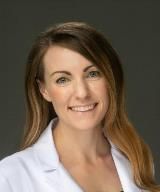
Emily Hoffman Smith, MD, is an assistant professor of dermatology and dermatopathology at the University of Missouri Health System where she oversees the multidisciplinary cutaneous oncology clinic at Ellis Fischel Cancer Center. Her research interests involve characterizing the molecular signatures of high risk cutaneous squamous cell carcinomas as well as melanoma. She is also engaged in initiatives utilizing technology to educate primary care providers, particularly in rural areas, on the early diagnosis and management of cutaneous malignancies with the goal of improving outcomes. Her clinical work largely focuses on the management of patients with high-risk skin cancers, and she spends the remainder of her time working as a dermatopathologist.
Dr. Smith obtained her medical degree at the University of Missouri. She then completed dermatology residency and subsequent dermatopathology fellowship at the University of Michigan Health System.
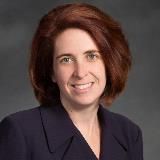
Samantha R. Guild, JD, is the director of education, public policy, and patient services for AIM at Melanoma—the largest international melanoma foundation globally engaged and locally invested in advancing the battle against melanoma through innovative research, legislative reform, education, and patient and caregiver support.
Ms. Guild is responsible for the development and implementation of AIM’s U.S. focused educational programs which include the AIM website, patient symposia at major cancer centers throughout the country, social media channels, survivorship programs, the Melanoma Nursing Initiative (MNI), and general awareness campaigns. She also oversees AIM’s legislative efforts, which include protecting teens and the general public from the dangers of indoor tanning devices as well as state and federal level legislation to support oral parity and biosimilar efforts.
Ms. Guild has been published in the American Journal of Public Health, Journal of Cancer Education, and Pediatric Dermatology. She has served as an advocate reviewer on the Cancer Prevention Research Institute of Texas panel and as a consumer reviewer on the Congressionally Directed Medical Research Programs panel.
Sarah is Director of Social Work Training at CancerCare, providing counseling to people coping with cancer and people who have experienced the loss of a loved one. She is a member of the Association of Oncology Social Work (AOSW), the National Association of Social Workers (NASW) and the Council on Social Work Education (CSWE).
Claire’s current role at the Cancer Support Community (CSC) focuses on sharing CSC’s patient insights externally and ensuring the patient experience remains central to all that CSC does. Prior to becoming VP of Patient Experience, Claire led CSC’s national patient education and outreach efforts for 5 years. The award-winning Frankly Speaking About Cancer education programs were co-created with cancer patients & caregivers. Programs were culturally-adapted to meet the needs of specific populations and speakers of multiple languages and produced in a variety of print, digital, and in-person formats.
Claire came to CSC from the Urology Care Foundation, where she managed national patient education programs and disease awareness campaigns with partners including the National Football League. As Executive Director of the Bladder Cancer Advocacy Network, Claire developed the first National Bladder Cancer Awareness Day. While the Executive Director of the Breast Cancer Resource Center in Austin, Texas, she doubled their patient advocacy and outreach programs. Claire began her work in health advocacy while part of the team that opened the National Domestic Violence Hotline in 1996.
Claire holds an MBA from the University of Oregon and an undergraduate degree from Rice University.