ACCC association of cancer care centers
Join/Renew
Login
Join/Renew
Login
Education & Resources
ACCC eXchange LogInCorporate Member Sponsored ResourcesPresentations & AbstractsPresident's ThemeACCC Connect eLearning LogIn
Publications
Oncology IssuesPatient Assistance & Reimbursement GuideTrending Now in Cancer Care
Events
2026 ACCC Leadership SummitAnnual Meeting & Cancer Center Business SummitCapitol Hill DayNational Oncology ConferenceOncology Reimbursement MeetingsOncology State Society Meetings
Policy & Advocacy
2024 Policy Wrap-Up and ACCC 2025 Policy PrioritiesLetters & StatementsAccess, Payment & Reimbursement ReformWhite Bagging & Brown BaggingAdvocacy ResourcesCancer Moonshot
Membership
Join | RenewWho We AreMembership Types & BenefitsCorporate MembersACCC Member Portal FAQMember Directory
Partners
Oncology State SocietiesPartner OrganizationsCME
News
News ReleasesAdvocacy News ReleasesOncology News
About ACCC
Timeline / 50th Anniversary2025 Impact ReportACCC Innovator AwardsACCC FellowsACCC Senior Staff
Breast CancerMetastatic Breast Cancer
Gastrointestinal CancerBiliary Tract CancerColorectal CancerGastric CancerLiver Cancer
Genitourinary CancerBladder CancerProstate CancerRenal Cell Carcinoma
Gynecologic CancerOvarian Cancer
Head & Neck Cancer
Hematologic MalignanciesAcute Lymphocytic Leukemia (ALL)Acute Myeloid Leukemia (AML)Chronic Lymphocytic Leukemia (CLL)Mantle Cell Lymphoma (MCL)Multiple Myeloma (MM)Myelodysplastic Syndromes (MDS)
Lung CancerNon-Small Cell Lung Cancer (NSCLC)Small Cell Lung Cancer (SCLC)
Sarcoma
Skin CancerMelanomaNon-Melanoma Skin Cancers (NMSC)
Clinical Practice & TreatmentCancer DiagnosticsCare CoordinationEHR Integration for Biomarker TestingQuality Improvement Collaboration: Integration of Precision Medicine in Community OncologyTreatment
Financial NavigationFAN Boot CampFinancial Advocacy Network (FAN) Resource LibraryPatient Assistance & Reimbursement GuidePrior Authorization
Health Equity & Access3, 2, 1, Go! Practical Solutions for Addressing Cancer Care DisparitiesAppalachian Community Cancer AllianceOncology Advanced PractitionersPersonalizing Care for Patients of All BackgroundsSocial Drivers of Health
Patient-Centered CareAddressing Care Disparities for VeteransAdolescent and Young Adult (AYA)Care Action Plans for People with CancerDermatologic ToxicitiesEmpowering CaregiversGeriatric OncologyHealth LiteracyNutritionOncology PharmacyPatient NavigationPsychosocial Care in OncologyShared Decision-MakingSupportive CareSurvivorship Care
Practice Management & OperationsCancer Program FundamentalsLeadership Sustainment and Engagement VideosOncology Practice Transformation and Integration CenterOncology Team Resiliency
ResearchACCC Community Oncology Research Institute (ACORI)
Technology & InnovationTelehealth & Digital Medicine
ACCCBuzz Blog
CANCER BUZZ Podcast
Oncology Issues
Join/Renew
Login
Breast CancerMetastatic Breast Cancer
Gastrointestinal CancerBiliary Tract CancerColorectal CancerGastric CancerLiver Cancer
Genitourinary CancerBladder CancerProstate CancerRenal Cell Carcinoma
Gynecologic CancerOvarian Cancer
Head & Neck Cancer
Hematologic MalignanciesAcute Lymphocytic Leukemia (ALL)Acute Myeloid Leukemia (AML)Chronic Lymphocytic Leukemia (CLL)Mantle Cell Lymphoma (MCL)Multiple Myeloma (MM)Myelodysplastic Syndromes (MDS)
Lung CancerNon-Small Cell Lung Cancer (NSCLC)Small Cell Lung Cancer (SCLC)
Sarcoma
Skin CancerMelanomaNon-Melanoma Skin Cancers (NMSC)
Clinical Practice & TreatmentCancer DiagnosticsCare CoordinationEHR Integration for Biomarker TestingQuality Improvement Collaboration: Integration of Precision Medicine in Community OncologyTreatment
Financial NavigationFAN Boot CampFinancial Advocacy Network (FAN) Resource LibraryPatient Assistance & Reimbursement GuidePrior Authorization
Health Equity & Access3, 2, 1, Go! Practical Solutions for Addressing Cancer Care DisparitiesAppalachian Community Cancer AllianceOncology Advanced PractitionersPersonalizing Care for Patients of All BackgroundsSocial Drivers of Health
Patient-Centered CareAddressing Care Disparities for VeteransAdolescent and Young Adult (AYA)Care Action Plans for People with CancerDermatologic ToxicitiesEmpowering CaregiversGeriatric OncologyHealth LiteracyNutritionOncology PharmacyPatient NavigationPsychosocial Care in OncologyShared Decision-MakingSupportive CareSurvivorship Care
Practice Management & OperationsCancer Program FundamentalsLeadership Sustainment and Engagement VideosOncology Practice Transformation and Integration CenterOncology Team Resiliency
ResearchACCC Community Oncology Research Institute (ACORI)
Technology & InnovationTelehealth & Digital Medicine
ACCCBuzz Blog
CANCER BUZZ Podcast
Oncology Issues
    • Education & Resources
    • Publications
    • Events
    • Policy & Advocacy
    • Membership
    • Partners
    • News
    • About ACCC
ACCC association of cancer care centers
1801 Research Boulevard, Suite 400, Rockville, MD 20850
Tel: 301.984.9496 Fax: 301.770.1949 Email Us
Contact UsVolunteers
Advertise
Career Center
Terms and Conditions
Privacy Policy
ACCC Rebranding
Copyright © 2026 Association of Cancer Care Centers. All Rights Reserved.
Advertisement

Blog

Article

November 12, 2019

Perspective on the “Modern Cancer Patient”

Perspective on the “Modern Cancer Patient”

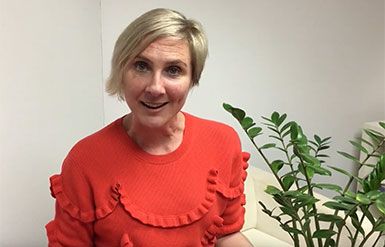
Presenting another perspective on the cancer patient experience, ACCC 36th National Oncology Conference featured speaker Laura Holmes Haddad shared her autobiographical story of what many might view as a “not typical” cancer patient. When she was diagnosed with stage IV inflammatory breast cancer, Holmes Haddad was a 37-year-old mother of young children. Her experiences and those of others diagnosed with cancer between the ages of 20 and 65 reveal room for improved communication and opportunities to better meet the needs of what Haddad has dubbed, “the modern cancer patient.” Of note, Haddad said that these patients account for nearly half of all new cancer diagnoses.

Drawing on her own experiences and those of others, Holmes Haddad’s retelling of unaddressed questions and real-world logistical challenges brought “The Changing Face of the Cancer Patient Experience” to life. She asked her audience members to consider how family obligations and responsibilities combine with clinical and other practical considerations when patients must make decisions about treatment options. Recounting the lived experience of how a patient (and family’s) home life can be affected by cancer treatment and medication regimens, Haddad asked attendees to consider whether they are asking their “modern cancer patients” the right questions. Questions such as: Do they live alone? Are they responsible for the care of young children, elderly parents, or an ill spouse? Are they able to drive? Are they able to work? Cancer programs need to support all patients physically, emotionally, and financially, Haddad said. Asking the right questions is the key to offering the right support.

With 2.8 million children under age 18 living with a parent affected by cancer, “asking your cancer patients if they have kids is an important first step,” Holmes Haddad emphasized. To meet the needs of the modern cancer patient, those patients have to plan their cancer journeys not only for themselves, but also for their children.

Holmes Haddad also pointed to the need to bridge the gap in meeting the care needs of both cancer patients and survivors. “Every single cancer survivor I’ve talked to said [that] the care team never discussed the sexual [side] effects of their cancer treatment,” said Holmes Haddad. “Making sure that someone on the team is reaching out to cancer patients about oncology fertility is key.”

Holmes Haddad added that financial counselors play an essential role in helping modern cancer patients navigate the cost burden of cancer. Patients in this age group (20-65), unlike older or younger patients, are mid-career, often have a lower amount of savings, don’t qualify for Medicare, may not have employer-based insurance, and may be the primary breadwinner for their family.

What actions can cancer programs take now to better support their modern cancer patients? Holmes-Haddad concluded her presentation with these practical suggestions:

  • Provide emotional support/therapy
  • Consider the needs of children when making treatment recommendations
  • Refer to additional social services such as childcare, cleaning, and financial assistance resources if needed
  • Suggest support groups for parents
  • Discuss fertility preservation and planning
  • Provide tips for returning to the workforce and other employment-related issues

Laura Holmes Haddad is the author of This Is Cancer, her response to the overly-earnest, somber, gray cancer survival books she found out there. It’s a thoughtful, informative resource for those who prefer their pathos with equal parts humor and reality and a touch of flair.