
ACCC association of cancer care centers
Join/Renew
Login
Join/Renew
Login
Education & Resources
ACCC eXchange LogInCorporate Member Sponsored ResourcesPresentations & AbstractsACCC Connect eLearning LogIn
Publications
Oncology IssuesPatient Assistance & Reimbursement GuideTrending Now in Cancer CareBusiness Case Studies for Hiring New Staff
Events
2026 ACCC Leadership SummitAnnual Meeting & Cancer Center Business SummitCapitol Hill DayNational Oncology ConferenceOncology Reimbursement MeetingsOncology State Society Meetings
Policy & Advocacy
ACCC 2026 Policy PrioritiesLetters & StatementsAccess, Payment & Reimbursement ReformWhite Bagging & Brown BaggingAdvocacy ResourcesCancer Moonshot
Membership
Join | RenewWho We AreMembership Types & BenefitsCorporate MembersACCC Member Portal FAQMember Directory
Partners
Oncology State SocietiesPartner OrganizationsCME
News
News ReleasesAdvocacy News ReleasesOncology News
About ACCC
Timeline / 50th Anniversary2025 Impact ReportPresident's ThemeACCC Innovator AwardsACCC FellowsBoard of TrusteesACCC Senior Staff
Breast CancerMetastatic Breast Cancer
Gastrointestinal CancerBiliary Tract CancerColorectal CancerGastric CancerLiver Cancer
Genitourinary CancerBladder CancerProstate CancerRenal Cell Carcinoma
Gynecologic CancerOvarian Cancer
Head & Neck Cancer
Hematologic MalignanciesAcute Lymphocytic Leukemia (ALL)Acute Myeloid Leukemia (AML)Chronic Lymphocytic Leukemia (CLL)Mantle Cell Lymphoma (MCL)Multiple Myeloma (MM)Myelodysplastic Syndromes (MDS)
Lung CancerNon-Small Cell Lung Cancer (NSCLC)Small Cell Lung Cancer (SCLC)
Sarcoma
Skin CancerMelanomaNon-Melanoma Skin Cancers (NMSC)
Clinical Practice & TreatmentCancer DiagnosticsCare CoordinationEHR Integration for Biomarker TestingQuality Improvement Collaboration: Integration of Precision Medicine in Community OncologyTreatment
Financial NavigationFAN Boot CampFinancial Advocacy Network (FAN) Resource LibraryPatient Assistance & Reimbursement GuidePrior Authorization
Health Equity & Access3, 2, 1, Go! Practical Solutions for Addressing Cancer Care DisparitiesAppalachian Community Cancer AllianceOncology Advanced PractitionersPersonalizing Care for Patients of All BackgroundsSocial Drivers of Health
Patient-Centered CareAddressing Care Disparities for VeteransAdolescent and Young Adult (AYA)Care Action Plans for People with CancerDermatologic ToxicitiesEmpowering CaregiversGeriatric OncologyHealth LiteracyNutritionOncology PharmacyPatient NavigationPsychosocial Care in OncologyShared Decision-MakingSupportive CareSurvivorship Care
Practice Management & OperationsCancer Program FundamentalsLeadership Sustainment and Engagement VideosOncology Practice Transformation and Integration CenterOncology Team Resiliency
ResearchACCC Community Oncology Research Institute (ACORI)
Technology & InnovationTelehealth & Digital Medicine
ACCCBuzz Blog
CANCER BUZZ Podcast
Oncology Issues
Join/Renew
Login
Breast CancerMetastatic Breast Cancer
Gastrointestinal CancerBiliary Tract CancerColorectal CancerGastric CancerLiver Cancer
Genitourinary CancerBladder CancerProstate CancerRenal Cell Carcinoma
Gynecologic CancerOvarian Cancer
Head & Neck Cancer
Hematologic MalignanciesAcute Lymphocytic Leukemia (ALL)Acute Myeloid Leukemia (AML)Chronic Lymphocytic Leukemia (CLL)Mantle Cell Lymphoma (MCL)Multiple Myeloma (MM)Myelodysplastic Syndromes (MDS)
Lung CancerNon-Small Cell Lung Cancer (NSCLC)Small Cell Lung Cancer (SCLC)
Sarcoma
Skin CancerMelanomaNon-Melanoma Skin Cancers (NMSC)
Clinical Practice & TreatmentCancer DiagnosticsCare CoordinationEHR Integration for Biomarker TestingQuality Improvement Collaboration: Integration of Precision Medicine in Community OncologyTreatment
Financial NavigationFAN Boot CampFinancial Advocacy Network (FAN) Resource LibraryPatient Assistance & Reimbursement GuidePrior Authorization
Health Equity & Access3, 2, 1, Go! Practical Solutions for Addressing Cancer Care DisparitiesAppalachian Community Cancer AllianceOncology Advanced PractitionersPersonalizing Care for Patients of All BackgroundsSocial Drivers of Health
Patient-Centered CareAddressing Care Disparities for VeteransAdolescent and Young Adult (AYA)Care Action Plans for People with CancerDermatologic ToxicitiesEmpowering CaregiversGeriatric OncologyHealth LiteracyNutritionOncology PharmacyPatient NavigationPsychosocial Care in OncologyShared Decision-MakingSupportive CareSurvivorship Care
Practice Management & OperationsCancer Program FundamentalsLeadership Sustainment and Engagement VideosOncology Practice Transformation and Integration CenterOncology Team Resiliency
ResearchACCC Community Oncology Research Institute (ACORI)
Technology & InnovationTelehealth & Digital Medicine
ACCCBuzz Blog
CANCER BUZZ Podcast
Oncology Issues
    • Education & Resources
    • Publications
    • Events
    • Policy & Advocacy
    • Membership
    • Partners
    • News
    • About ACCC
ACCC association of cancer care centers
1801 Research Boulevard, Suite 400, Rockville, MD 20850
Tel: 301.984.9496 Email Us
Contact UsVolunteers
Advertise
Career Center
Terms and Conditions
Privacy Policy
ACCC Rebranding
Copyright © 2026 Association of Cancer Care Centers. All Rights Reserved.
Home / Projects / Optimal Care Coordination / Occm Interior

OCCM INTERIOR

The Optimal Care Coordination Model (OCCM) focuses on 13 Assessment Areas with high impact on optimal care. Each assessment area of the Model has 5 levels, with level 1 representing the most basic provision of care and level 5 representing optimal best practice. The Model is designed to help cancer programs improve to any achievable target level within a selected assessment area. Each cancer program’s starting point will be different, as will its targeted level for near- and long-term improvement. Depending on the assessment area, achieving a level 5 will be attainable for some programs and may be aspirational for others.


Testing Sites used the OCCM for program self-assessment, to develop one (or more) quality improvement (QI) projects in one (or more) of the Model’s 13 assessment areas, and conduct the QI project(s) over a 12-month testing period, from October 2017-September 2018. Results from the testing phase were used to further refine and modify the Model to ensure that it is a practical, easy-to-use guide for cancer programs interested in advancing patient-centered, multidisciplinary, coordinated care for their lung cancer patients on Medicaid.


*Under the terms of the grant, programs in the following states are excluded from participation in this project: AL, GA, KY, MS, NC, TN, SC, and WV.


To learn more about how the Model was developed, visit the Project Overview page.
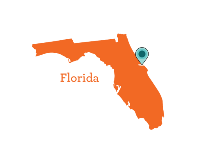

Florida Memorial Hospital Medical Center

DEVELOPMENT SITE REPORT

Read a snapshot of successes and challenges in providing care to lung cancer patients on Medicaid in this Development Site report.

Download


A part of the Adventist Health System, Florida Hospital Memorial Medical Center (FHMMC) consists of two campuses: a 277-bed main hospital in Daytona Beach and an 80-bed hospital in Ormond Beach, as well as outpatient facilities, located at the Pavilion at Port Orange and the New Smyrna Health Park. Through its mission of extending the healing ministry of Christ, Florida Hospital Memorial Medical Center strives to promote wellness of mind, body and spirit. In 2016, Truven Health Analytics named Florida Hospital Memorial Medical Center as one of the top 100 hospitals in the country in a new study that uses publicly available data to generate the list of leading hospitals. Additionally, in 2012 Florida Hospital Memorial Medical Center received the Governor’s Sterling Award, the highest award an organization in Florida can receive for performance excellence; Consumer Reports rated Florida Hospital Memorial Medical Center as the safest hospital in Florida, and The Leapfrog Group awarded FHMMC with an “A” grade for safety.

More than 400 physicians hold privileges to practice at Florida Hospital Memorial Medical Center facilities, which employ more than 1,700 care team members and benefit from more than 300 community members volunteers. Specialties include cardiology, oncology, emergency care, surgical services, obstetrics, neurosurgery, stroke care, rehabilitation, weight-loss surgery, imaging, laboratory, home health, wound care, diabetes, hospice, physician practices, and women’s services. The primary service area for Florida Hospital Memorial Medical Center has a total population of 296,352.

The Cancer Institute of FHMMC, a Commission on Cancer-accredited Comprehensive Cancer Program, offers a multidisciplinary, patient-centered approach to care. Services such as clinical research, psychosocial support, financial assistance, dietary counseling, palliative care, and genetic counseling are offered on-site. Integral to this program are imaging navigators and clinic nurse navigators. In 2016, the Lung Cancer Alliance (LCA) named the Cancer Institute of FHMMC a Screening Center of Excellence.


Beta Model Development

Informed by the environmental scan and the Development Site reports, the project’s expert Advisory Committee convened an in-person meeting in November 2016 to discuss key findings in the context of model development. Ultimately, consensus developed around the concept of a beta Care Coordination Model built directly upon the Multidisciplinary Care (MDC) Assessment Tool created by the National Cancer Institute (NCI) Community Cancer Centers Program (NCCCP), a project funded by NCI from 2007-2014.


The NCCCP pilot, which eventually engaged 30 participating hospitals and health systems across the country, sought to build a community-based research platform to support a wide range of basic, clinical, and population-based research on cancer prevention, screening, diagnosis, treatment, survivorship, and palliative care at community hospitals—contributing to enhanced quality of care for patients and advancing cancer research. Learn more.


To enrich Model development, ACCC formed a Technical Expert Panel (TEP). All members of the TEP were former NCCCP pilot participants. The TEP collaborated with the Advisory Committee and the ACCC project team to draft a beta version of the Care Coordination Model. The beta Model consisted of 13 assessment areas. Each assessment area had five levels—level 1 represented the most basic provision of care and level 5 represented optimal best practice for care coordination.

Our Supporters

Support provided by Bristol-Myers Squibb Foundation

Bristol Myers Squibb