ACCC association of cancer care centers
Join/Renew
Login
Join/Renew
Login
Education & Resources
ACCC eXchange LogInCorporate Member Sponsored ResourcesPresentations & AbstractsPresident's ThemeACCC Connect eLearning LogIn
Publications
Oncology IssuesPatient Assistance & Reimbursement GuideTrending Now in Cancer Care
Events
2026 ACCC Leadership SummitAnnual Meeting & Cancer Center Business SummitCapitol Hill DayNational Oncology ConferenceOncology Reimbursement MeetingsOncology State Society Meetings
Policy & Advocacy
2024 Policy Wrap-Up and ACCC 2025 Policy PrioritiesLetters & StatementsAccess, Payment & Reimbursement ReformWhite Bagging & Brown BaggingAdvocacy ResourcesCancer Moonshot
Membership
Join | RenewWho We AreMembership Types & BenefitsCorporate MembersACCC Member Portal FAQMember Directory
Partners
Oncology State SocietiesPartner OrganizationsCME
News
News ReleasesAdvocacy News ReleasesOncology News
About ACCC
Timeline / 50th Anniversary2025 Impact ReportACCC Innovator AwardsACCC FellowsACCC Senior Staff
Breast CancerMetastatic Breast Cancer
Gastrointestinal CancerBiliary Tract CancerColorectal CancerGastric CancerLiver Cancer
Genitourinary CancerBladder CancerProstate CancerRenal Cell Carcinoma
Gynecologic CancerOvarian Cancer
Head & Neck Cancer
Hematologic MalignanciesAcute Lymphocytic Leukemia (ALL)Acute Myeloid Leukemia (AML)Chronic Lymphocytic Leukemia (CLL)Mantle Cell Lymphoma (MCL)Multiple Myeloma (MM)Myelodysplastic Syndromes (MDS)
Lung CancerNon-Small Cell Lung Cancer (NSCLC)Small Cell Lung Cancer (SCLC)
Sarcoma
Skin CancerMelanomaNon-Melanoma Skin Cancers (NMSC)
Clinical Practice & TreatmentCancer DiagnosticsCare CoordinationEHR Integration for Biomarker TestingQuality Improvement Collaboration: Integration of Precision Medicine in Community OncologyTreatment
Financial NavigationFAN Boot CampFinancial Advocacy Network (FAN) Resource LibraryPatient Assistance & Reimbursement GuidePrior Authorization
Health Equity & Access3, 2, 1, Go! Practical Solutions for Addressing Cancer Care DisparitiesAppalachian Community Cancer AllianceOncology Advanced PractitionersPersonalizing Care for Patients of All BackgroundsSocial Drivers of Health
Patient-Centered CareAddressing Care Disparities for VeteransAdolescent and Young Adult (AYA)Care Action Plans for People with CancerDermatologic ToxicitiesEmpowering CaregiversGeriatric OncologyHealth LiteracyNutritionOncology PharmacyPatient NavigationPsychosocial Care in OncologyShared Decision-MakingSupportive CareSurvivorship Care
Practice Management & OperationsCancer Program FundamentalsLeadership Sustainment and Engagement VideosOncology Practice Transformation and Integration CenterOncology Team Resiliency
ResearchACCC Community Oncology Research Institute (ACORI)
Technology & InnovationTelehealth & Digital Medicine
ACCCBuzz Blog
CANCER BUZZ Podcast
Oncology Issues
Join/Renew
Login
Breast CancerMetastatic Breast Cancer
Gastrointestinal CancerBiliary Tract CancerColorectal CancerGastric CancerLiver Cancer
Genitourinary CancerBladder CancerProstate CancerRenal Cell Carcinoma
Gynecologic CancerOvarian Cancer
Head & Neck Cancer
Hematologic MalignanciesAcute Lymphocytic Leukemia (ALL)Acute Myeloid Leukemia (AML)Chronic Lymphocytic Leukemia (CLL)Mantle Cell Lymphoma (MCL)Multiple Myeloma (MM)Myelodysplastic Syndromes (MDS)
Lung CancerNon-Small Cell Lung Cancer (NSCLC)Small Cell Lung Cancer (SCLC)
Sarcoma
Skin CancerMelanomaNon-Melanoma Skin Cancers (NMSC)
Clinical Practice & TreatmentCancer DiagnosticsCare CoordinationEHR Integration for Biomarker TestingQuality Improvement Collaboration: Integration of Precision Medicine in Community OncologyTreatment
Financial NavigationFAN Boot CampFinancial Advocacy Network (FAN) Resource LibraryPatient Assistance & Reimbursement GuidePrior Authorization
Health Equity & Access3, 2, 1, Go! Practical Solutions for Addressing Cancer Care DisparitiesAppalachian Community Cancer AllianceOncology Advanced PractitionersPersonalizing Care for Patients of All BackgroundsSocial Drivers of Health
Patient-Centered CareAddressing Care Disparities for VeteransAdolescent and Young Adult (AYA)Care Action Plans for People with CancerDermatologic ToxicitiesEmpowering CaregiversGeriatric OncologyHealth LiteracyNutritionOncology PharmacyPatient NavigationPsychosocial Care in OncologyShared Decision-MakingSupportive CareSurvivorship Care
Practice Management & OperationsCancer Program FundamentalsLeadership Sustainment and Engagement VideosOncology Practice Transformation and Integration CenterOncology Team Resiliency
ResearchACCC Community Oncology Research Institute (ACORI)
Technology & InnovationTelehealth & Digital Medicine
ACCCBuzz Blog
CANCER BUZZ Podcast
Oncology Issues
    • Education & Resources
    • Publications
    • Events
    • Policy & Advocacy
    • Membership
    • Partners
    • News
    • About ACCC
ACCC association of cancer care centers
1801 Research Boulevard, Suite 400, Rockville, MD 20850
Tel: 301.984.9496 Fax: 301.770.1949 Email Us
Contact UsVolunteers
Advertise
Career Center
Terms and Conditions
Privacy Policy
ACCC Rebranding
Copyright © 2026 Association of Cancer Care Centers. All Rights Reserved.
Advertisement

Blog

Article

November 26, 2025

Honoring Family Caregivers During National Family Caregivers Month

Rania Emara

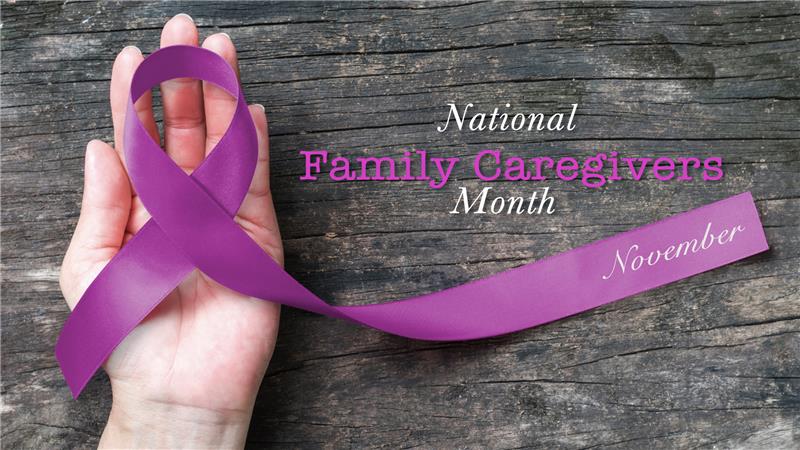
November is National Family Caregivers Month, and ACCC is taking this important opportunity to honor the millions of individuals who play an essential role in the lives of loved ones navigating serious illness.
Honoring Family Caregivers During National Family Caregivers Month

November is National Family Caregivers Month, and the Association of Cancer Care Centers (ACCC) is taking this important opportunity to honor the millions of individuals who play an essential role in the lives of loved ones navigating serious illness. According to the National Alliance for Caregiving and AARP’s 2025 Caregiving in the US Research Report, 1 in 4 adults—63 million Americans—are providing ongoing care for older adults, individuals with serious illness, or those with disabilities. Nearly 70% of these family caregivers are monitoring their loved ones’ health conditions, coordinating care, and playing an active role in shared decision-making on treatment.

In oncology, the presence of a dedicated caregiver is more than an emotional anchor; for many advanced or complex treatments, it is an absolute clinical necessity. Nowhere is this more evident than in chimeric antigen receptor (CAR) T-cell therapy, a groundbreaking treatment with tremendous clinical promise, but one that relies heavily on highly coordinated care and the commitment, vigilance, and resilience of family caregivers.

As ACCC recognizes the meaning of caregiving this month, it is also important to spotlight the advocacy, tools, and storytelling that are breaking down barriers, elevating caregiver voices, and ensuring these critical partners are acknowledged as indispensable members of the care team.

CAR T-Cell Therapy: Cutting Edge Treatment That Depends on Caregivers

For patients with certain blood cancers, CAR T-cell therapy offers a powerful treatment option. But unlike other therapies, CAR T is not an “in and out” infusion. It requires weeks of preparation, close monitoring, and rapid response to potential side effects that can appear suddenly and escalate quickly.

Because of this intensity, patients are not eligible for CAR T-cell therapy unless they have a reliable, dedicated 24/7 caregiver—someone able to observe changes, communicate with the clinical team, coordinate logistics, and support the patient through every phase of treatment.

Caregivers of patients undergoing CAR T-cell therapy take on responsibilities such as:

  • Attending pre-treatment evaluations and education sessions
  • Managing complex schedules, from leukapheresis to cell infusion to daily follow-up visits
  • Monitoring for serious side effects like cytokine release syndrome (CRS) or neurotoxicity
  • Staying within close proximity to the treatment center, often for 30 days or more
  • Offering emotional and physical support during unpredictable changes in cognition, energy, or mood
  • Acting as the patient’s advocate, especially in moments when the patient may be too fatigued or impaired to speak for themselves.

In many ways, caregivers become an extension of the clinical team once the patient leaves the hospital. Their presence is a cornerstone of safety, adherence, and ultimately, treatment success.

While caregivers often take on these responsibilities willingly, the demands can be overwhelming. Many must take extended time from work, secure childcare, manage travel and lodging logistics, or balance caregiving with other family obligations. The emotional toll is equally profound: witnessing a loved one’s physical and emotional changes while maintaining vigilance for symptoms that require rapid medical intervention can be exhausting and isolating. Their strength is remarkable, but caregivers need and deserve support as well.

How ACCC Supports and Elevates the Caregiver Experience

Across the oncology landscape, ACCC highlights the reality of caregiving through education initiatives, storytelling, and care delivery innovation. This year, that work is especially visible.

Sharing Real Stories From the CAR T-Cell Therapy Journey

In a series of caregiver and patient spotlight videos released in October 2025, ACCC shares deeply personal stories from individuals who walked the CAR T-cell therapy path—underscoring the power of support, collaboration, and compassionate care. For Peter and his wife and caregiver Margaret, of Delmar, New York, and Laura and her daughter and caregiver Trisha, of Laramie, Wyoming, the CAR T journey was shaped not only by medical teams but by the steadfast presence of those who stood beside them every step of the way.

These narratives highlight a powerful truth: patients may receive CAR T-cell therapy, but they experience it side-by-side with their caregivers, whose dedication, sacrifice, and courage make the treatment possible.

Supporting Collaborative Care Models

Through toolkits, education modules, and guidance from multidisciplinary experts, ACCC is also helping cancer programs create collaborative care models that integrate caregivers meaningfully into the care continuum. This includes approaches to enhancing patient and caregiver education and training, developing psychosocial support pathways, screening for caregiver burden, and addressing logistical barriers (eg, transportation, lodging, financial strain).

One key example is the Collaborative Care After Treatment Checklist, a quick-reference tool designed to improve coordination between referring programs and CAR T-cell therapy centers. The checklist includes a dedicated section on the psychosocial, practical, and supportive care needs of both patients and caregivers—ensuring care teams are equipped to provide holistic, patient- and caregiver-centered support.

In its CAR T-Cell Therapy Resource Library, ACCC curates nationally available materials that support patients and caregivers across transitions of care—before, during, and after CAR T-cell therapy. The library includes tip sheets, educational content, and resources that empower families with the information they need to navigate a highly complex treatment journey.

Recognizing Caregivers as Essential Partners

ACCC continues to amplify the need for cancer programs to recognize caregivers as essential, not optional. As CAR T-cell therapy expands into more settings and continues to evolve, the caregiver’s role must remain central to how care delivery is designed, supported, and evaluated.

This November, and every month, ACCC extends its gratitude to the caregivers who make cancer care possible. Shared stories, strong partnerships, and compassionate support systems will continue to shape the future of CAR T-cell therapy and improve the experiences of all who undertake this journey.