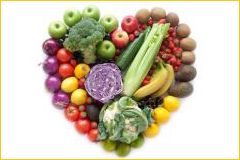
March is National Nutrition Month, the ideal time for ACCCBuzz to spotlight the role a Registered Dietitian Nutritionist (RDN) plays in the delivery of high-quality, patient-centered cancer care.
Do you have a Registered Dietitian Nutritionist (RDN) in your cancer center? If not—or if your RDN staffing is limited—you may be interested in what an RDN can do for your patients.
First, Some Background
What does it take to earn the RDN credential? To be a Registered Dietitian Nutritionist, you must first obtain, at a minimum, a bachelor’s degree in Nutrition from an accredited program. Next, you must complete a minimum of 1,200 hours of RDN-supervised practice in various settings including clinical, community, and food service rotations, among others. In the near future, a master’s degree will be the minimum required education, and currently many master’s programs are combined with internships. Finally, you must pass a registration examination before using the RDN credential. In some states, RDNs must also be licensed – which is denoted by the LD (licensed dietitian) or LDN (licensed dietitian nutritionist) credential.
Once you’ve earned the RDN credential , you must complete 75 units of continuing education every five years to maintain it. There are five RDN specialty certifications, one of which is for oncology. The CSO credential indicates that an RDN is also a Board Certified Specialist in Oncology. The CSO credential is earned by passing the CSO specialty examination, which is administered by the Commission on Dietetic Registration. To be eligible to sit for this exam, RDNs must have been practicing for at least two years and must be able to document 2,000 practice hours in oncology within the past five years. The CSO credentialing exam must be retaken every five years.
What Does an RDN Do?
Assessment. At a minimum, the RDN employs the nutrition care process and provides medical nutrition therapy (MNT) to patients deemed at malnutrition risk. The nutrition care process involves nutrition assessment, diagnosis, and intervention, as well as monitoring and evaluation. Nutrition assessment is the evaluation of a patient’s diagnosis and co-morbidities, anthropometrics, laboratory values, nutritional intake, psychosocial, socioeconomic, and cultural factors as well as a physical assessment. During a nutrition-focused physical assessment, the RDN notes changes in muscle and fat tissue, skin, hair, nails, and other physical indicators of macro- or micro-nutrient deficiencies.
Diagnosis. The assessment process leads to nutrition diagnosis: the determination of specific nutrition-related problems to be addressed such as malnutrition, altered gastrointestinal function, or impaired nutrient utilization. RDNs use standardized language for nutrition diagnoses, and indicate the etiology and related symptoms of the stated problem.
Intervention. With the assessment and diagnosis complete, the RDN next determines nutrition interventions to address the identified problems – such as diet modifications, oral nutrition supplementation, or enteral or parenteral nutrition support. Finally, the RDN will regularly monitor patients and evaluate the effectiveness of the interventions. The nutrition care process is ongoing until nutritional problems resolve or stabilize.
Nutrition Matters
Studies show that adult cancer patients with poor nutritional status experience decreased tolerance to cancer treatment, higher hospital admission or readmission rates, increased length of hospital stay, decreased quality of life, and increased mortality. A number of studies recommend that nutrition intervention for cancer patients be provided by an RDN, and others indicate that nutrition education on use of foods to maintain nutritional intake yields better quality of life over simply recommending oral nutrition beverages. Ideally all cancer programs would employ a validated nutrition screening tool, such as the MST or PG-SGA, to identify patients at malnutrition risk and refer those patients to the RDN for medical nutrition therapy. Indeed, the 2013 Oncology Evidence Analysis project of the Academy of Nutrition and Dietetics recommends these very practices: malnutrition risk screening (and rescreening), with referral of those who screen at risk to an RDN for MNT.
Engaging the Patient
In addition to identifying and treating or preventing malnutrition, a primary role for the RDN is the provision of patient education on topics ranging from dietary strategies for side-effect management to the pros and cons of vitamin, mineral or botanical supplement use during treatment to the efficacy (or lack thereof) of popular ”cancer diets.” RDNs assist the healthcare team in identifying patients who would benefit from enteral or parenteral nutrition support during treatment, and can educate patients regarding the logistics of this therapy. RDNs can provide care coordination and navigation services when nutrition support is an integral part of treatment, for example, for patients with head and neck and esophageal cancers. The RDN may also address nutrition-related long-term and late effects of cancer treatments. RDNs can play an important outreach role in educating patients and the community about evidence-based diet and lifestyle approaches for cancer prevention and survivorship.
The Bottom Line?
Malnutrition impacts patient outcomes, cost of care, and importantly, your patients’ quality of life. Nutrition care is a crucial component of the provision of not just adequate, but of high-quality, patient-centered cancer care. The RDN is your nutrition expert and should be an integral part of the multidisciplinary care of patients undergoing treatment in your cancer program.
ACCC member Kelay E. Trentham, MS, RDN, CSO, is 2016-2017 Chair, Oncology Nutrition Dietetic Practice Group of the Academy of Nutrition and Dietetics. She is Oncology Dietitian at the MultiCare Regional Cancer Center in Tacoma, Washington.




An at-home option for cervical cancer screening breaks down barriers to care and offers the same level of precision as screening in the clinic.