ACCC association of cancer care centers
Join/Renew
Login
Join/Renew
Login
Education & Resources
ACCC eXchange LogInCorporate Member Sponsored ResourcesPresentations & AbstractsPresident's ThemeACCC Connect eLearning LogIn
Publications
Oncology IssuesPatient Assistance & Reimbursement GuideTrending Now in Cancer Care
Events
2026 ACCC Leadership SummitAnnual Meeting & Cancer Center Business SummitCapitol Hill DayNational Oncology ConferenceOncology Reimbursement MeetingsOncology State Society Meetings
Policy & Advocacy
2024 Policy Wrap-Up and ACCC 2025 Policy PrioritiesLetters & StatementsAccess, Payment & Reimbursement ReformWhite Bagging & Brown BaggingAdvocacy ResourcesCancer Moonshot
Membership
Join | RenewWho We AreMembership Types & BenefitsCorporate MembersACCC Member Portal FAQMember Directory
Partners
Oncology State SocietiesPartner OrganizationsCME
News
News ReleasesAdvocacy News ReleasesOncology News
About ACCC
Timeline / 50th Anniversary2025 Impact ReportACCC Innovator AwardsACCC FellowsACCC Senior Staff
Breast CancerMetastatic Breast Cancer
Gastrointestinal CancerBiliary Tract CancerColorectal CancerGastric CancerLiver Cancer
Genitourinary CancerBladder CancerProstate CancerRenal Cell Carcinoma
Gynecologic CancerOvarian Cancer
Head & Neck Cancer
Hematologic MalignanciesAcute Lymphocytic Leukemia (ALL)Acute Myeloid Leukemia (AML)Chronic Lymphocytic Leukemia (CLL)Mantle Cell Lymphoma (MCL)Multiple Myeloma (MM)Myelodysplastic Syndromes (MDS)
Lung CancerNon-Small Cell Lung Cancer (NSCLC)Small Cell Lung Cancer (SCLC)
Sarcoma
Skin CancerMelanomaNon-Melanoma Skin Cancers (NMSC)
Clinical Practice & TreatmentCancer DiagnosticsCare CoordinationEHR Integration for Biomarker TestingQuality Improvement Collaboration: Integration of Precision Medicine in Community OncologyTreatment
Financial NavigationFAN Boot CampFinancial Advocacy Network (FAN) Resource LibraryPatient Assistance & Reimbursement GuidePrior Authorization
Health Equity & Access3, 2, 1, Go! Practical Solutions for Addressing Cancer Care DisparitiesAppalachian Community Cancer AllianceOncology Advanced PractitionersPersonalizing Care for Patients of All BackgroundsSocial Drivers of Health
Patient-Centered CareAddressing Care Disparities for VeteransAdolescent and Young Adult (AYA)Care Action Plans for People with CancerDermatologic ToxicitiesEmpowering CaregiversGeriatric OncologyHealth LiteracyNutritionOncology PharmacyPatient NavigationPsychosocial Care in OncologyShared Decision-MakingSupportive CareSurvivorship Care
Practice Management & OperationsCancer Program FundamentalsLeadership Sustainment and Engagement VideosOncology Practice Transformation and Integration CenterOncology Team Resiliency
ResearchACCC Community Oncology Research Institute (ACORI)
Technology & InnovationTelehealth & Digital Medicine
ACCCBuzz Blog
CANCER BUZZ Podcast
Oncology Issues
Join/Renew
Login
Breast CancerMetastatic Breast Cancer
Gastrointestinal CancerBiliary Tract CancerColorectal CancerGastric CancerLiver Cancer
Genitourinary CancerBladder CancerProstate CancerRenal Cell Carcinoma
Gynecologic CancerOvarian Cancer
Head & Neck Cancer
Hematologic MalignanciesAcute Lymphocytic Leukemia (ALL)Acute Myeloid Leukemia (AML)Chronic Lymphocytic Leukemia (CLL)Mantle Cell Lymphoma (MCL)Multiple Myeloma (MM)Myelodysplastic Syndromes (MDS)
Lung CancerNon-Small Cell Lung Cancer (NSCLC)Small Cell Lung Cancer (SCLC)
Sarcoma
Skin CancerMelanomaNon-Melanoma Skin Cancers (NMSC)
Clinical Practice & TreatmentCancer DiagnosticsCare CoordinationEHR Integration for Biomarker TestingQuality Improvement Collaboration: Integration of Precision Medicine in Community OncologyTreatment
Financial NavigationFAN Boot CampFinancial Advocacy Network (FAN) Resource LibraryPatient Assistance & Reimbursement GuidePrior Authorization
Health Equity & Access3, 2, 1, Go! Practical Solutions for Addressing Cancer Care DisparitiesAppalachian Community Cancer AllianceOncology Advanced PractitionersPersonalizing Care for Patients of All BackgroundsSocial Drivers of Health
Patient-Centered CareAddressing Care Disparities for VeteransAdolescent and Young Adult (AYA)Care Action Plans for People with CancerDermatologic ToxicitiesEmpowering CaregiversGeriatric OncologyHealth LiteracyNutritionOncology PharmacyPatient NavigationPsychosocial Care in OncologyShared Decision-MakingSupportive CareSurvivorship Care
Practice Management & OperationsCancer Program FundamentalsLeadership Sustainment and Engagement VideosOncology Practice Transformation and Integration CenterOncology Team Resiliency
ResearchACCC Community Oncology Research Institute (ACORI)
Technology & InnovationTelehealth & Digital Medicine
ACCCBuzz Blog
CANCER BUZZ Podcast
Oncology Issues
    • Education & Resources
    • Publications
    • Events
    • Policy & Advocacy
    • Membership
    • Partners
    • News
    • About ACCC
ACCC association of cancer care centers
1801 Research Boulevard, Suite 400, Rockville, MD 20850
Tel: 301.984.9496 Fax: 301.770.1949 Email Us
Contact UsVolunteers
Advertise
Career Center
Terms and Conditions
Privacy Policy
ACCC Rebranding
Copyright © 2026 Association of Cancer Care Centers. All Rights Reserved.
Advertisement

Blog

Article

March 20, 2019

Bringing Surgical Oncology Services to Your Community Cancer Center

Bringing Surgical Oncology Services to Your Community Cancer Center

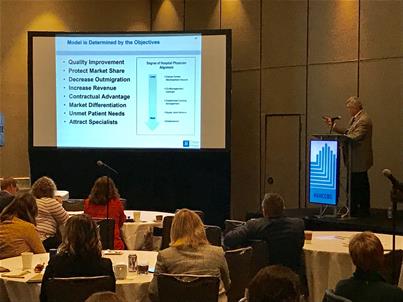
At the Surgical Oncology Pre-conference to the ACCC 45th Annual Meeting & Cancer Center Business Summit on March 20, the surgeons were in the house! Exploring challenges, business case nuances, and best practices for incorporating a surgical oncology program in a community cancer center were presenters I. Benjamin Paz, MD, FACS, Executive Vice Chair and Clinical Professor in the Department of Surgery, City of Hope; Lawrence Wagman, MD, Regional Medical Director, City of Hope, Inland Empire Program; Thomas Bauer, MD, Clinical Medical Director, Oncology, Hackensack Meridian Health Cancer Care; and Mark Krasna, MD, Medical Director, Hackensack Meridian Health Cancer Care. Throughout the day, presenters shared insights and strategies for understanding why, how, and if community cancer programs should look at bringing surgical oncology services into their cancer center. Here are 10 key takeaways:

Takeaway #1: If your program is considering incorporating surgical oncology services, think. Then, think again. And again. Assess and understand the following:

  • What are the drivers for integrating surgical services?
  • What are the challenges your program is trying to address?
    Outmigration?
    Multidisciplinary and quality care?
    Improved care coordination?
  • What influences consumers’ choices for surgical care in your market?
  • Who are your partners (hospitals? academic medical centers? insurance providers?) for this endeavor and what are their motivations?

Takeaway #2: Clearly defined roles and expectations are key to successful partnering.

Takeaway #3: Understand the revenue stream and assess the related risks, such as disrupting established referral patterns and launching a new business model.

Surgeon Recruitment
Presenters outlined traits to look for when hiring surgeons for this initiative including having a practice-focus, documented skill, external recognition, commitment to education, and willingness to change.

Takeaway #4: As surgeons are incorporated into a community cancer program, an important best practice is to establish a shared vision for your program early on and identify your strengths, deficiencies, and motivations. Periodically return to this vision to ensure you are maintaining it.

Takeaway #5: Carefully construct your contracts with staff surgeons, detailing what deliverables are expected from them, including research, teaching, and community involvement responsibilities.

Takeaway #6: Fully vet surgeons before hiring them: evaluate their leadership potential, ensure they are willing to participate in conferences and local events, and be clear with all expectations. In return, offer surgeons personal advertising and marketing that can differentiate them in the marketplace, and (if possible) give them access to clinical trials.

Takeaway #7: You don’t just need a surgical oncologist, speakers agreed, you need the kind of surgical oncologists who can be leaders. Having this champion in place is essential to developing a multidisciplinary cancer care team. Once that team coalesces, navigators often play a central role in coordinating and bringing the team together.

Big Picture
Takeaway #8: When you’re trying to build something new, you must allow “certain flexibility,” presenters emphasized. "Don’t be rigid, because otherwise you won’t have the opportunity," said Dr. Wagman.

Takeaway #9: Downstream revenue is real. It has a real number, and it can be measured.

Takeaway #10: Through case studies, presenters demonstrated that by adding surgical oncology to their programs, community cancer centers can achieve an impact on delivery of care that is associated with greater revenue, increased patient satisfaction, and decreased patient outmigration. Still, it's critical to assess, be flexible, and look (at all the drivers, etc.) before you leap.