Carolina Blood and Cancer Care Associate's No One Left Alone (or NOLA) initiative is a multi-phase pilot program aimed at lessening disparities in cancer care in three key areas: care access, biomarker testing, and clinical trials.
In this three-blog series, ACCCBuzz shares how one independent oncology practice is taking action to improve equitable cancer care delivery at the local level, potentially creating a replicable model for providers in the community.
A profound teaching from the COVID-19 pandemic is the persistence of significant healthcare disparities in the United States. Individuals of color and lower socio-economic status have faced greater risk of COVID-19 and have suffered disproportionate consequences as a result of the pandemic. Kashyap Patel, MD, has aptly described the COVID-19 pandemic as putting “cancer and healthcare disparities on steroids.”
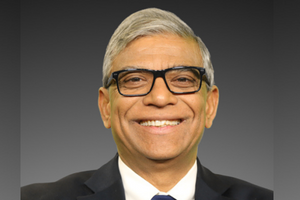
Dr. Patel is president of the Community Oncology Alliance, a South Carolina Oncology Society Board Member, and chief executive officer of Carolina Blood and Cancer Care Associates—an independent oncology and hematology practice in South Carolina. The practice is staffed by five physicians, four mid-level providers (nurse practitioners and physician assistants), and eight research staff, who see approximately 1,500 to 1,900 new patients annually. By the fall of 2021, Dr. Patel reports that Carolina Blood and Cancer Care Associates was already seeing an increase in patients presenting with later stage disease.
The practice's staff serve patients in two practice locations—one on the south side of Charlotte and the other in the rural Lancaster County area. Altogether, patients come from about a 115-mile radius south of Charlotte, east of Spartanburg, and west of Florence, S.C. As with many oncology practices serving communities comprising urban, suburban, and rural areas, Carolina Blood and Cancer Care Associates’ patient population is a mix of the affluent and underserved.
Access to care is the number one challenge facing patients, Dr. Patel said. The barriers encountered by the practice's patients are like those faced by patients in many communities around the country, including financial burden, lack of access to biomarker testing, health literacy challenges, little or no opportunity to participate in clinical trials, and inadequate uptake of recommended cancer screenings. In particular, staff see very low rates of lung cancer screening among those who are eligible according to U.S. Preventive Services Task Force recommendations.
A seasoned advocate on behalf of quality cancer care in the community, Dr. Patel acknowledges that the complexities of social determinants of health require a comprehensive approach “to bring a groundswell of resources” to resolve disparities. At the system level, the solution will require achieving support for public policies aimed at a better understanding of the issue by all segments of the oncology ecosystem, including pharmaceutical companies, researchers, payers, and physicians, Dr. Patel said. Further, system-level change will require adequate funding for federal and local initiatives; considerations of health in community planning and development; and the collection of real-world data and evidence.
But patients with cancer cannot wait for macro-level change to take place. “Our catchment areas and the counties that we serve represent many of the most vulnerable and marginalized populations impacted by disparities” and local-level action is needed now, Dr. Patel said. “What we see is what we can address.”
During the past two years, Dr. Patel has designed and spearheaded a multi-phase pilot program at Carolina Blood and Cancer Care Associates that is aimed at lessening disparities in cancer care in three key areas: care access, biomarker testing, and clinical trials. The No One Left Alone (or NOLA) initiative also emphasizes data collection related to social determinants of health to better understand and mitigate the impact of these factors on equitable cancer care delivery. Many of the practice’s patients have experienced “the worst of the worst in terms of social determinants of health,” Dr. Patel said. Among the cancers most often seen by Carolina Blood and Cancer Care Associates are breast, prostate, lung, and head and neck cancers.
Dr. Patel’s vision for NOLA includes three phases: Phase 1 focuses on financial/economic barriers; Phase 2 explores improving access to biomarker testing; and Phase 3 will strive for more equitable access to clinical trials. The goal, Dr. Patel said, is to leave no patient alone in their struggle to access quality cancer care.
By piloting the NOLA initiative, Dr. Patel hopes that the practice is developing a replicable path that other like-minded practices could follow to address equitable cancer care delivery locally. A key component of NOLA’s local-action approach is fostering stronger communication and linkages across and between all stakeholders. “Instead of working in silos, we decided to partner with multiple stakeholder groups including local nonprofits, congressional offices, the state Department of Health and Human Services and Medicaid teams, and others to create a collaborative effort,“ he said.




An at-home option for cervical cancer screening breaks down barriers to care and offers the same level of precision as screening in the clinic.