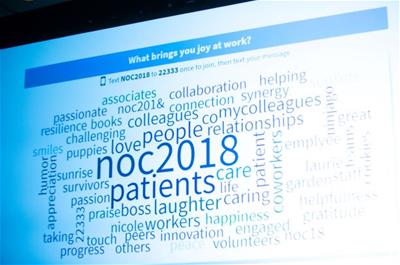
Do the following statements sound familiar?
Oncology is the most rapidly changing specialty in healthcare.
We are in the midst of unprecedented change and turbulence in the U.S. healthcare system.
Burnout is a critical issue in healthcare, and it’s especially worrisome in oncology where workforce shortages—and increased demand for services—are anticipated.
Feeling stressed?
If you attended the ACCC 35th National Oncology Conference last week, chances are your answer will be: “Yes, I feel stressed, but I’m not stressed out.”
Across the conference sessions—from featured speakers Vicki Hess, RN, MS, Employee Engagement Solutions, LLC; Julie Oehlert, DNP, Vidant Health; and Dale Dauten, The Innovators' Lab® ; to the 2018 ACCC Innovator Award presentations and “how-to” sessions spotlighting how cancer programs are actively improving patient-centered care delivery—speakers highlighted the many ways that the patient experience and the cancer team’s professional experience are interconnected.

Reflect. Renew. Reignite.
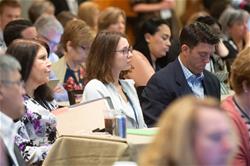
On Thursday morning, Oct. 18, ACCC Secretary Krista Nelson, MSW, LCSW, OSW-C, BCD, opened the conference by leading hundreds of attendees in a guided mindfulness moment, setting the stage for messages of: engagement, empowerment, disrupting the status quo, daring to suggest new possibilities and share new perspectives, and expressing appreciation, throughout the conference.
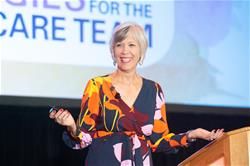
Opening speaker Vicki Hess challenged attendees to imagine working in a “professional paradise.” As an antidote to burnout, Hess reminded attendees, “Sometimes you need to fill your own cup and coming to this ACCC National Oncology Conference is one way to do it!”

Don’t Burn Out, Power Up!
“Does your staff feel satisfied, energized, and productive at work?” Hess asked.
When cancer care teams are operating at peak performance, making a difference to patients, “most of the time it’s not due to clinical skills alone,” Hess said, “it’s the bigger picture.” What’s needed to support optimal teamwork is a three-way partnership among individuals, leadership, and the healthcare organization. “The more empowered employees feel, the more they can create a professional paradise.”
For individuals, empowerment starts with understanding that you have choices in how you respond to frustrating, overwhelming, stressful situations (or colleagues) in the workplace. A mindful approach and exercising your power to choose how you respond will boost your resilience, rather than drain your energy, according to Hess.
For example, when a staff member or colleague complains, engage them with empathy, “I hear we have a problem.” Then ask, “What would the organization need to do to fix it? What would you like me to do? What’s your role?”
Hess suggests the following steps may bolster your workplace resiliency:
For organizational change, Hess notes that the following are important prerequisites for moving toward a culture of empowerment:
Stay tuned for more highlights from the ACCC 35th National Oncology Conference.





An at-home option for cervical cancer screening breaks down barriers to care and offers the same level of precision as screening in the clinic.