Author(s):
To broaden access to the specialized support and navigation that patients with primary brain tumors need, the Brain Tumor Network partnered with the American Cancer Society.
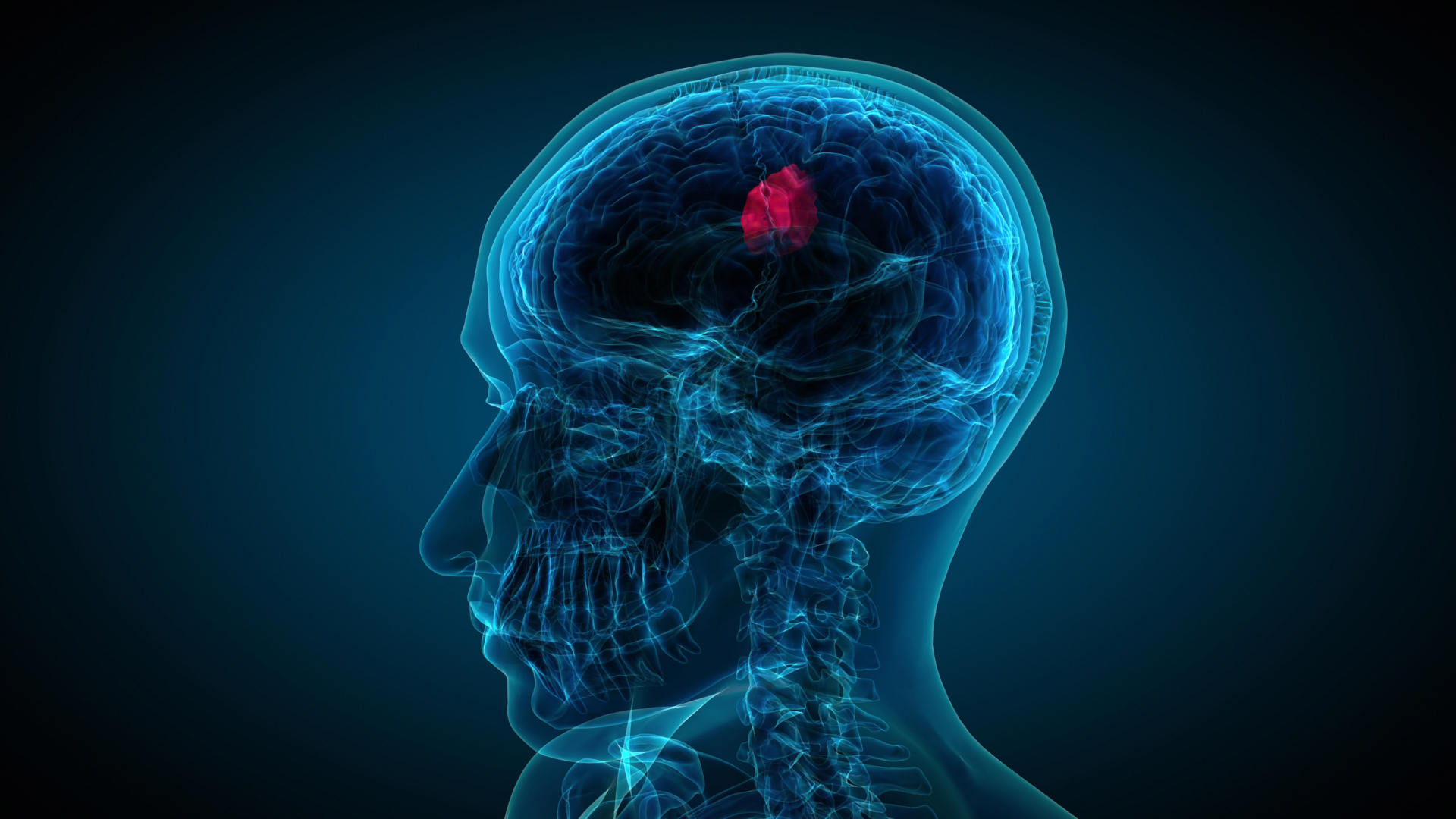
Primary brain tumors are among the most life-altering and diverse types of cancer. With over 100 distinct types of primary brain tumors, presentation, treatment, and outcomes for the disease vary widely, leaving many patients feeling disoriented and overwhelmed upon diagnosis. Despite extensive research, survival rates for brain cancer have remained largely stagnant, and the significant physical, cognitive, and psychological effects of the disease continue to profoundly impact patients and their families.
In answer, Brain Tumor Network (BTN), a national nonprofit, was founded to provide free, individualized navigation services to patients who are diagnosed with primary brain tumors. Such a complex and multifaceted disease complicates the already dense health care system even further, often leaving patients overwhelmed and unsure of where to start. BTN’s team of navigators are part of a multidisciplinary team trained to guide patients and caregivers through every phase of brain tumor care, helping them overcome treatment obstacles and embodying BTN’s commitment to improving access to quality health care.
To broaden access to the specialized support and navigation that patients with primary brain tumors need, BTN recently collaborated with the American Cancer Society (ACS) to enable eligible patients calling the ACS 24/7 cancer helpline to be referred directly to BTN’s neuro-oncology-informed navigation team. To learn more about this strategic collaboration, ACCCBuzz spoke with Kelly Glover, a senior nurse navigator at BTN who provides adult neuro-oncology navigation to patients and their loved ones.
One of the most important gaps in care BTN hopes to address through this collaboration is the need for a timely connection to specialized care. “When you’re dealing with a brain tumor diagnosis, time is of the essence,” said Glover. “Sometimes you reach out to a specialist, and it could be months before you get an appointment.” Connecting patients with BTN and its services sooner can make a world of difference in timeliness of care access and, consequently, patient outcomes.
Glover also expressed the importance of providing personalized, human support at one of the most difficult periods in a patient’s life. Psychosocial support in particular is one area of care that is often neglected during cancer treatment, and Glover emphasized how key the multidisciplinary care team is in providing this service. “It's a big gap right now,” she said. “Patients go to institutions and they might get 1 or 2 [supportive care services], but not necessarily all of them in a nice package.”
By partnering with the extensive ACS network, BTN is positioning itself to make these essential services vastly more accessible to patients. “We provide education about our services to [ACS] call centers, its nursing staff, and its leadership so that they can filter which patients are good candidates for us and send them our way,” Glover explained.
Another challenge in caring for patients with primary brain tumors is the intricacies embedded in neuro-oncology clinical trials—especially for providers in community settings that often have more than one type of cancer under their umbrella. “It can be hard to distinguish between these clinical trials when you don’t have the bandwidth to spend dedicated time researching them,” said Glover. “Between the molecular pathologies, previous treatments, and how progression has occurred, there’s so much involved.”
To address this need, BTN is proud to provide up-to-date, evidence-based education on neuro-oncology research, perform national personalized clinical trial searches for patients, and offer education on biomarker testing. BTN also addresses the practical life challenges that patients face, acting as a trusted resource to which providers can direct their patients. “This is a specialty we’ve honed very well, and we're proud to offer these resources to providers at community cancer centers who need this support.”
Together with ACS’s accessible helpline and BTN’s specialized support services, these organizations are redefining care coordination for a disease that requires thoughtful, timely navigation and thorough patient education from trusted experts.
“Within 24 to 48 hours, families are engaging with us for education, psychosocial support, and help overcoming practical barriers—all at no cost,” said Glover. “This partnership provides clinicians with a trusted resource to extend wraparound support, particularly in settings where immediate neuro-oncology navigation may not be available.”
For more information about these resources, visit braintumornetwork.org and cancer.org.





An at-home option for cervical cancer screening breaks down barriers to care and offers the same level of precision as screening in the clinic.